THE ADVENTURE COLLECTIVE® · Independent discovery and booking for outdoor travel

Glide through narrow mangrove channels and wide estuaries on a two-hour guided boat tour from Manuel Antonio. Expect close wildlife sightings, coastal views, and practical guidance for photographing monkeys, birds, and crabs.
Glide through narrow mangrove channels and wide estuaries on a two-hour guided boat tour from Manuel Antonio. Expect close wildlife sightings, coastal views, and practical guidance for photographing monkeys, birds, and crabs.
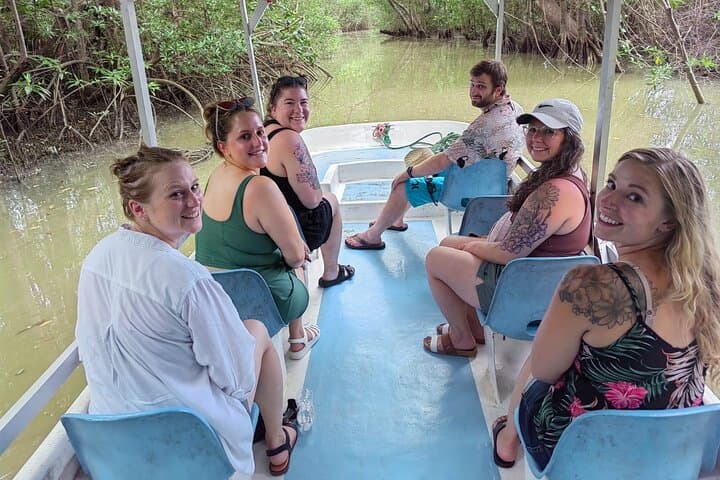
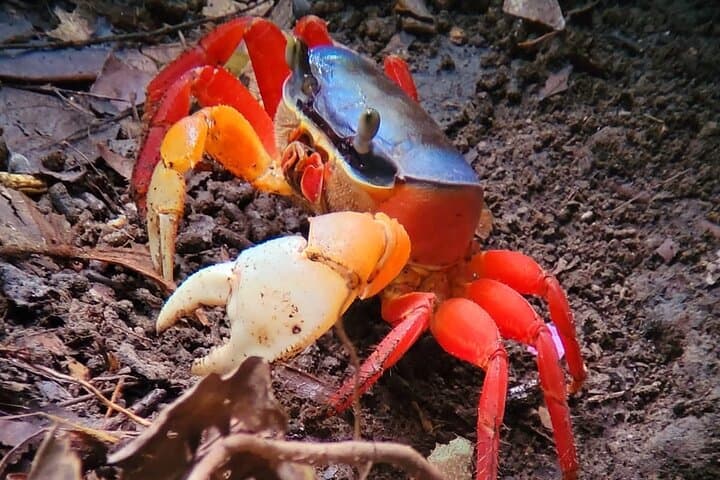
The boat slips quietly into a narrow black-mud channel, mangrove roots clawing at the hull while birds pivot above, watching. Salt-scented air and the distant surf frame two hours of tight channels, open estuary, and coastal panoramas where guides point out howler monkeys, crabs, and the braided roots that hold this coastline together.
Verified experiences and guided adventures in the surrounding area.
Operated by Steve Tours Costa Rica · Quepos, Puntarenas
The boat slips quietly into a narrow black-mud channel, mangrove roots clawing at the hull while birds pivot above, watching. Salt-scented air and the distant surf frame two hours of tight channels, open estuary, and coastal panoramas where guides point out howler monkeys, crabs, and the braided roots that hold this coastline together.
This stretch of Pacific coast sits at the meeting point of dry Pacific foothills and humid coastal wetlands. Mangroves here formed over centuries as sediment from rivers built a protective finger of forest that softens storm surge and filters coastal waters. The wildlife reflects that edge habitat: shorebirds and wading species hunt at low tide while monkeys and iguanas move between mangrove, beach, and nearby forest. Local fishing villages in Puntarenas province shaped a coastal culture of small-boat skill and wildlife knowledge—many guides grew up reading tides and animal cues.
On the water the experience is sensory and close: narrow channels, low bridges of branches, and sudden open views across the estuary to Manuel Antonio’s green headlands. Expect calm to choppy water depending on wind; no elevation gain, but steady attention to footing when boarding.
Practical guidance: bring binoculars and a telephoto lens for distant birds, wear non-slip shoes and reef-safe sunscreen, and schedule morning outings for softer light and active wildlife. If you’re prone to seasickness, take preventive measures—two hours of slow-moving boat time can still rock you. Guides typically provide life vests, basic safety briefing, and bilingual commentary—ideal for first-time mangrove viewers and families seeking an easy, wildlife-focused coastal outing.
easy.
2 hours.
Suitable for most fitness levels; requires ability to step on/off a small boat and remain seated or steady for two hours.
The tour is approximately two hours and typically includes a bilingual local guide, safety equipment (life vests), parking, and a narrated route through the mangroves with wildlife stops.
Yes—it's rated easy for most fitness levels; infants must sit on an adult's lap and the operator allows service animals.
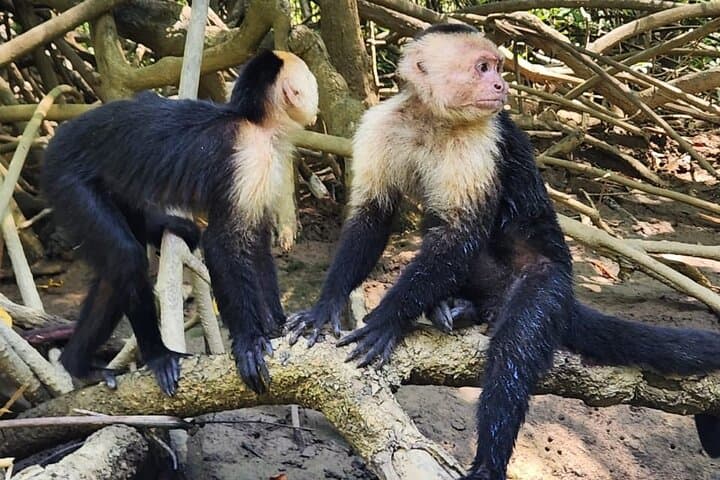
Common sightings include White-faced capuchin and howler monkeys, wading birds (egrets, herons), crabs, iguanas, and occasionally crocodiles in estuarine zones.
The water is usually calm in the mangrove channels but can be choppier in open estuary; consider motion-sickness medication if you are prone to nausea.
Local coastal communities have navigated these estuaries for generations; mangroves were historically used for small-scale fishing and as buffer zones protecting inland farms.
Mangroves are critical carbon sinks and nursery habitat; staying in channels and following guide instructions minimizes disturbance and helps protect juvenile marine life.
Steve Tours Costa Rica operates guided outdoor trips and adventures with an emphasis on safety, stewardship, and memorable experiences.
The boat slips quietly into a narrow black-mud channel, mangrove roots clawing at the hull while birds pivot above, watching. Salt-scented air and the distant surf frame two hours of tight channels, open estuary, and coastal panoramas where guides point out howler monkeys, crabs, and the braided roots that hold this coastline together.
The boat slips quietly into a narrow black-mud channel, mangrove roots clawing at the hull while birds pivot above, watching. Salt-scented air and the distant surf frame two hours of tight channels, open estuary, and coastal panoramas where guides point out howler monkeys, crabs, and the braided roots that hold this coastline together.
This stretch of Pacific coast sits at the meeting point of dry Pacific foothills and humid coastal wetlands. Mangroves here formed over centuries as sediment from rivers built a protective finger of forest that softens storm surge and filters coastal waters. The wildlife reflects that edge habitat: shorebirds and wading species hunt at low tide while monkeys and iguanas move between mangrove, beach, and nearby forest. Local fishing villages in Puntarenas province shaped a coastal culture of small-boat skill and wildlife knowledge—many guides grew up reading tides and animal cues.
On the water the experience is sensory and close: narrow channels, low bridges of branches, and sudden open views across the estuary to Manuel Antonio’s green headlands. Expect calm to choppy water depending on wind; no elevation gain, but steady attention to footing when boarding.
Practical guidance: bring binoculars and a telephoto lens for distant birds, wear non-slip shoes and reef-safe sunscreen, and schedule morning outings for softer light and active wildlife. If you’re prone to seasickness, take preventive measures—two hours of slow-moving boat time can still rock you. Guides typically provide life vests, basic safety briefing, and bilingual commentary—ideal for first-time mangrove viewers and families seeking an easy, wildlife-focused coastal outing.