THE ADVENTURE COLLECTIVE® · Independent discovery and booking for outdoor travel

Experience Manuel Antonio after dark on a guided night walk through Sukia Park. In two hours you’ll spot frogs, scorpions, nocturnal mammals and learn how the rainforest operates at night.
Experience Manuel Antonio after dark on a guided night walk through Sukia Park. In two hours you’ll spot frogs, scorpions, nocturnal mammals and learn how the rainforest operates at night.
The trail opens under a lowering sky and the rainforest exhales — humidity thick, leaf litter soft underfoot, and tiny eyes reflecting torchlight. On Sukia Park’s night walk, the forest flips a switch: daytime birds sleep and a different cast of creatures starts to move. Your guide’s flashlight slices the dark, revealing tree frogs clinging to damp leaves, a scorpion paused on a branch, or the slow silhouette of a sloth tucked in the canopy.
Verified experiences and guided adventures in the surrounding area.
Operated by Travel Costa Rica Tours · Manuel Antonio, Puntarenas
The trail opens under a lowering sky and the rainforest exhales — humidity thick, leaf litter soft underfoot, and tiny eyes reflecting torchlight. On Sukia Park’s night walk, the forest flips a switch: daytime birds sleep and a different cast of creatures starts to move. Your guide’s flashlight slices the dark, revealing tree frogs clinging to damp leaves, a scorpion paused on a branch, or the slow silhouette of a sloth tucked in the canopy.
Manuel Antonio sits on Costa Rica’s central Pacific coast in Puntarenas Province, an area shaped by volcanic uplifts and coastal erosion that created steep ridges and rich lowland rainforest. Local guides blend natural history with cultural context—explaining how the forest’s plants support nocturnal food webs and how conservation efforts since the park’s creation have helped preserve habitat for endangered species.
The walk itself is a focused, two-hour loop on maintained trails and a hanging bridge within a private reserve near the national park. Terrain is compacted earth, often slick after rain, with short inclines and boardwalk sections; groups are small and guided, with scopes and UV lights used to highlight amphibians and invertebrates.
Practically: wear long pants and closed shoes with good grip, bring a headlamp or flashlight and rain shell, and expect humidity and mosquitoes. Photography with flash is discouraged — use red-filtered lights or digiscoping suggested by guides. The tour is an accessible, high-reward way to see nocturnal wildlife safely while learning about local ecology and best conservation practices.
moderate.
2 hours.
Moderate; participants should be comfortable walking uneven, potentially muddy trails for two hours.
Yes for older children who can follow safety rules; tours often recommend ages 6+ and require parental supervision due to low light and sensitive wildlife.
Common sightings include tree frogs, nocturnal birds, scorpions, spiders, and occasionally mammals like coatis, kinkajous, or sleeping sloths in the canopy.
It’s moderately easy—mostly short, maintained trails with occasional inclines and uneven surfaces; moderate fitness is sufficient.
Phone cameras can work with digiscoping or steadying against a scope, but avoid flash—guides provide scopes and recommend low-light techniques for photography.
Manuel Antonio and surrounding reserves protect coastal lowland rainforest formed by volcanic and marine processes; private reserves like Sukia complement the national park’s mosaic of protected habitat.
Walks emphasize low-impact viewing—small group sizes, no flash photography, and staying on trails help reduce disturbance to nocturnal species and support ongoing habitat protection.
Travel Costa Rica Tours operates guided outdoor trips and adventures with an emphasis on safety, stewardship, and memorable experiences.
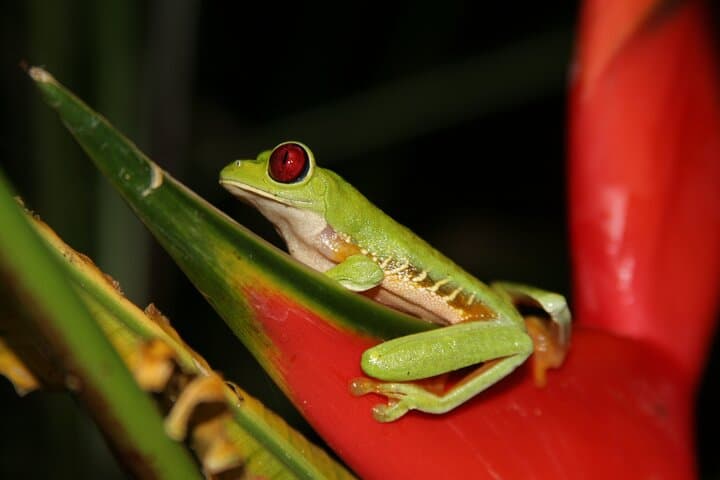
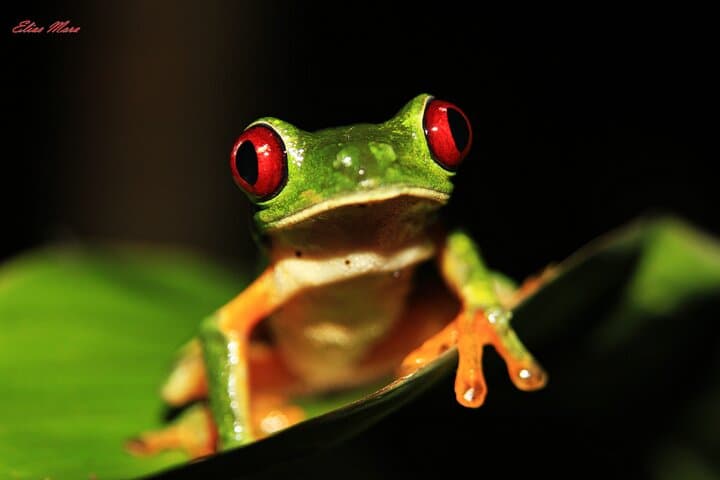
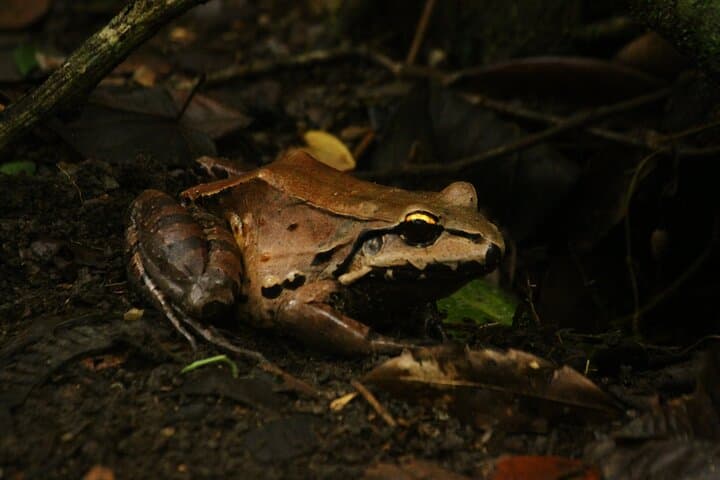
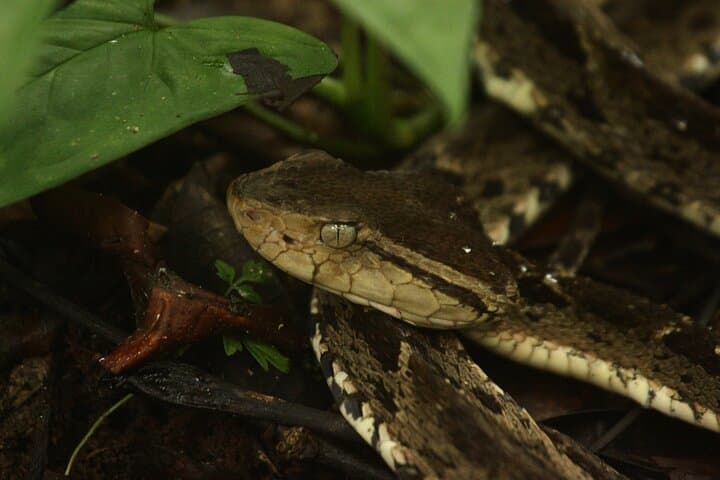
The trail opens under a lowering sky and the rainforest exhales — humidity thick, leaf litter soft underfoot, and tiny eyes reflecting torchlight. On Sukia Park’s night walk, the forest flips a switch: daytime birds sleep and a different cast of creatures starts to move. Your guide’s flashlight slices the dark, revealing tree frogs clinging to damp leaves, a scorpion paused on a branch, or the slow silhouette of a sloth tucked in the canopy.
The trail opens under a lowering sky and the rainforest exhales — humidity thick, leaf litter soft underfoot, and tiny eyes reflecting torchlight. On Sukia Park’s night walk, the forest flips a switch: daytime birds sleep and a different cast of creatures starts to move. Your guide’s flashlight slices the dark, revealing tree frogs clinging to damp leaves, a scorpion paused on a branch, or the slow silhouette of a sloth tucked in the canopy.
Manuel Antonio sits on Costa Rica’s central Pacific coast in Puntarenas Province, an area shaped by volcanic uplifts and coastal erosion that created steep ridges and rich lowland rainforest. Local guides blend natural history with cultural context—explaining how the forest’s plants support nocturnal food webs and how conservation efforts since the park’s creation have helped preserve habitat for endangered species.
The walk itself is a focused, two-hour loop on maintained trails and a hanging bridge within a private reserve near the national park. Terrain is compacted earth, often slick after rain, with short inclines and boardwalk sections; groups are small and guided, with scopes and UV lights used to highlight amphibians and invertebrates.
Practically: wear long pants and closed shoes with good grip, bring a headlamp or flashlight and rain shell, and expect humidity and mosquitoes. Photography with flash is discouraged — use red-filtered lights or digiscoping suggested by guides. The tour is an accessible, high-reward way to see nocturnal wildlife safely while learning about local ecology and best conservation practices.