THE ADVENTURE COLLECTIVE® · Independent discovery and booking for outdoor travel

Walk the Manuel Antonio rainforest after dark with a naturalist guide at Sukia Park. This two-hour night tour highlights frogs, insects, nocturnal mammals, and the subtle theater of the tropical night.
Walk the Manuel Antonio rainforest after dark with a naturalist guide at Sukia Park. This two-hour night tour highlights frogs, insects, nocturnal mammals, and the subtle theater of the tropical night.
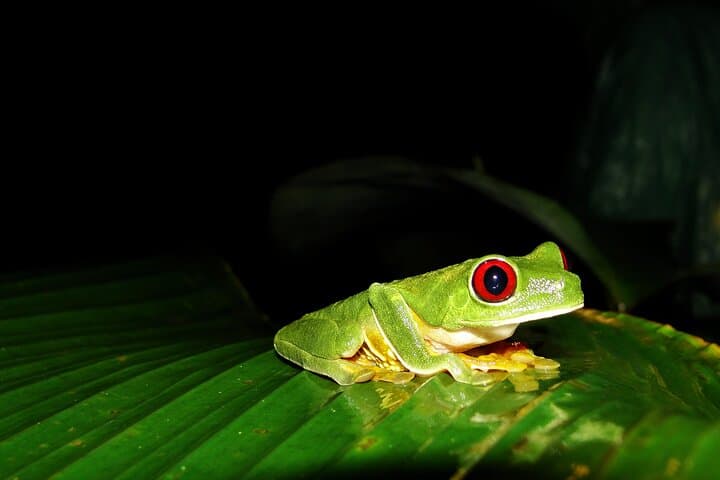
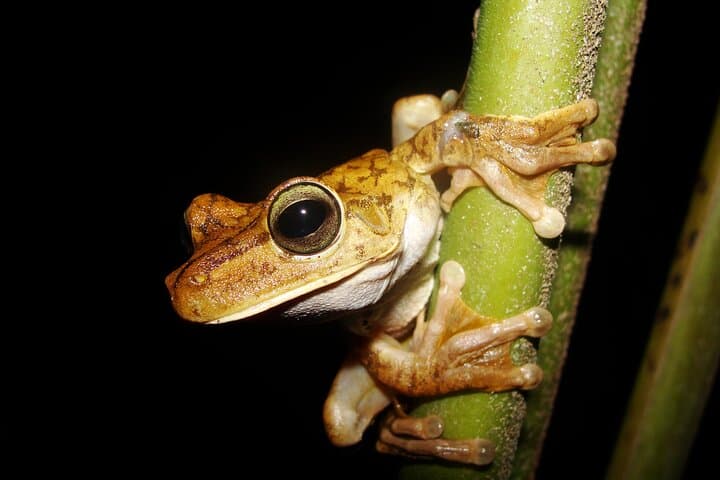
The trail opens in dusk, humid air pressing softly against your skin as the forest shifts from day to night. Headlamps carve narrow cones of light through buttressed roots and ferns; somewhere nearby a tree frog pipes, then answers itself. On this two-hour guided Night Walk at Sukia Park, the rainforest stops being a backdrop and starts to move — insects orchestrate the understory while mammals and reptiles slip through shadow.
Verified experiences and guided adventures in the surrounding area.
Operated by Tucanes Tours · Manuel Antonio, Puntarenas
The trail opens in dusk, humid air pressing softly against your skin as the forest shifts from day to night. Headlamps carve narrow cones of light through buttressed roots and ferns; somewhere nearby a tree frog pipes, then answers itself. On this two-hour guided Night Walk at Sukia Park, the rainforest stops being a backdrop and starts to move — insects orchestrate the understory while mammals and reptiles slip through shadow.
Manuel Antonio sits on Costa Rica’s Pacific coast in Puntarenas province, a low-elevation tropical rainforest shaped by volcanic soils and steady coastal rains. Historically, the area supported fishing villages and small farms before conservation and tourism brought new attention and protections to its coastal forests. Guides on night walks connect visitors to this living history, explaining how tides, sediment, and human settlement shaped the habitat and the nocturnal behaviors you’ll witness.
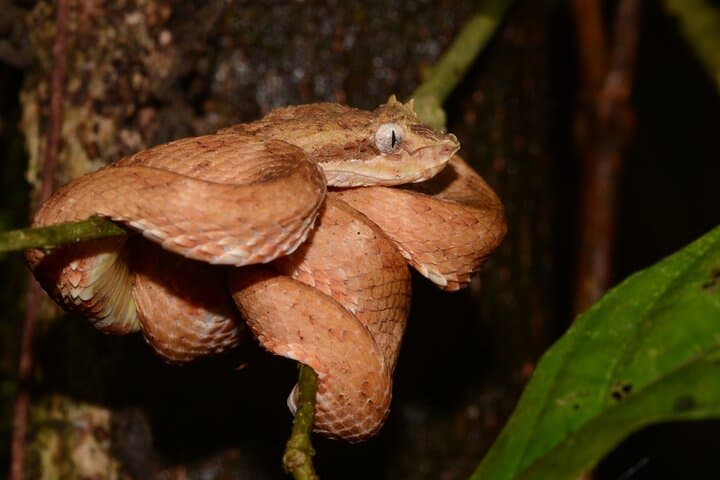
Expect leaf-litter trails, occasional muddy patches, and boardwalks through dense foliage. Wildlife viewing is the draw: frogs with luminous calls, skittering lizards, sleeping sloths glimpsed low in trees, nocturnal mammals and the occasional snake. The guide’s flashlight becomes an instrument of discovery; patience and quiet are your best tools.
Practically: wear sturdy, closed-toe shoes and a lightweight rain layer, bring insect repellent and a small headlamp (guides provide flashlights). Tours run about two hours in the early evening; pick dry-season evenings for easier trails, and plan for damp conditions in the rainy months. Move slowly, keep voices low, and let the jungle reveal itself — it rewards the attentive.
easy.
2 hours.
Suitable for most fitness levels; participants should be able to walk uneven forest trails for about two hours.
Yes — the tour is rated easy and families often join; guardians should supervise and keep kids quiet to avoid disturbing wildlife.
Common sightings include tree frogs, nocturnal insects, geckos, small mammals, and sometimes sloths or snakes; sightings depend on season and luck.
Guides supply flashlights and safety gear; bring your own headlamp if you prefer hands-free lighting and insect repellent for comfort.
Most operators include round-trip transportation from Quepos or Manuel Antonio; confirm pickup point at booking and arrive 10 minutes early if meeting independently.
The coastal forests around Manuel Antonio were historically used for small-scale agriculture and fishing before conservation efforts preserved key patches of rainforest and coastline.
The area balances tourism with habitat protection; stick to trails, avoid flash photography of animals, and follow guide instructions to reduce disturbance.
Tucanes Tours operates guided outdoor trips and adventures with an emphasis on safety, stewardship, and memorable experiences.

The trail opens in dusk, humid air pressing softly against your skin as the forest shifts from day to night. Headlamps carve narrow cones of light through buttressed roots and ferns; somewhere nearby a tree frog pipes, then answers itself. On this two-hour guided Night Walk at Sukia Park, the rainforest stops being a backdrop and starts to move — insects orchestrate the understory while mammals and reptiles slip through shadow.
The trail opens in dusk, humid air pressing softly against your skin as the forest shifts from day to night. Headlamps carve narrow cones of light through buttressed roots and ferns; somewhere nearby a tree frog pipes, then answers itself. On this two-hour guided Night Walk at Sukia Park, the rainforest stops being a backdrop and starts to move — insects orchestrate the understory while mammals and reptiles slip through shadow.
Manuel Antonio sits on Costa Rica’s Pacific coast in Puntarenas province, a low-elevation tropical rainforest shaped by volcanic soils and steady coastal rains. Historically, the area supported fishing villages and small farms before conservation and tourism brought new attention and protections to its coastal forests. Guides on night walks connect visitors to this living history, explaining how tides, sediment, and human settlement shaped the habitat and the nocturnal behaviors you’ll witness.
Expect leaf-litter trails, occasional muddy patches, and boardwalks through dense foliage. Wildlife viewing is the draw: frogs with luminous calls, skittering lizards, sleeping sloths glimpsed low in trees, nocturnal mammals and the occasional snake. The guide’s flashlight becomes an instrument of discovery; patience and quiet are your best tools.
Practically: wear sturdy, closed-toe shoes and a lightweight rain layer, bring insect repellent and a small headlamp (guides provide flashlights). Tours run about two hours in the early evening; pick dry-season evenings for easier trails, and plan for damp conditions in the rainy months. Move slowly, keep voices low, and let the jungle reveal itself — it rewards the attentive.