THE ADVENTURE COLLECTIVE® · Independent discovery and booking for outdoor travel

Spend two hours with a local guide spotting sloths, monkeys and coastal birds in Manuel Antonio National Park. This concise nature walk combines wildlife viewing, expert digiscoping, and beach time for a high-value Costa Rica half-day.
Spend two hours with a local guide spotting sloths, monkeys and coastal birds in Manuel Antonio National Park. This concise nature walk combines wildlife viewing, expert digiscoping, and beach time for a high-value Costa Rica half-day.
Heat and salt hover in the air as you step into a narrow trail that threads the edge of the Pacific—trees lean toward the ocean, and a distant surf calls you toward a beach framed by granite outcrops. From the first sweep of the guide’s spotting scope you’ll see sloths tucked in crowns, capuchins moving like small weather systems, and colorful birds flashing through damp leaves.
Verified experiences and guided adventures in the surrounding area.
Operated by Travel Costa Rica Tours · Manuel Antonio, Puntarenas
Heat and salt hover in the air as you step into a narrow trail that threads the edge of the Pacific—trees lean toward the ocean, and a distant surf calls you toward a beach framed by granite outcrops. From the first sweep of the guide’s spotting scope you’ll see sloths tucked in crowns, capuchins moving like small weather systems, and colorful birds flashing through damp leaves.
Manuel Antonio National Park, established in 1972, protects a compact swath of Pacific lowland rainforest and coastal terraces in Puntarenas Province. The park’s geology is straightforward: low hills, rocky headlands and sandy coves carved by waves and tropical weather, which support an unusually dense concentration of wildlife for a small area. Local culture around Quepos and Manuel Antonio blends fishing-town rhythms with eco-tourism—guides here often come from families tied to both the ocean and the jungle.
On a roughly 2 km guided loop with ~100 m of cumulative elevation change, expect firm dirt, exposed roots, short stair sections and rocky viewpoints; the pace is relaxed but focused on spotting and interpretation. Practical notes: buy SINAC entrance tickets in advance, bring 1–2 liters of water, a lightweight rain layer during the wet season and a camera you can hand off to the guide for digiscoping shots. Morning tours find the most animal activity; afternoons open into beach time—swimming in the park is commonly limited after 3 pm. Whether you come for close-up wildlife viewing or a short coastal hike, the trip pairs approachable terrain with high-return natural encounters.
moderate.
2 hours.
Moderate fitness—able to walk 1.5–3 km on uneven terrain and climb short stair sections
Yes—Manuel Antonio National Park requires entrance tickets bought through SINAC’s online portal; bring confirmation to present at the gate.
The guided portion is about 2 hours; most tours finish at the park beach and allow free time for swimming—note some areas may restrict swimming after mid-afternoon.
The pace is relaxed and groups are small, but the trail has roots and short stairs; children and older travelers should have basic mobility and avoid if they have serious back or heart conditions.
Common sightings include sloths, white-faced capuchin and howler monkeys, iguanas, coatis and a wide variety of coastal rainforest birds; sightings aren’t guaranteed but the guide’s scope increases odds of good views.
Designated a national park in 1972, Manuel Antonio preserved coastal rainforest that once sustained small fishing communities and now supports a mix of conservation and tourism.
Visitor limits and SINAC management keep the park compact but heavily used—stick to trails, avoid litter, and follow guide instructions to reduce disturbance to wildlife.
Travel Costa Rica Tours operates guided outdoor trips and adventures with an emphasis on safety, stewardship, and memorable experiences.
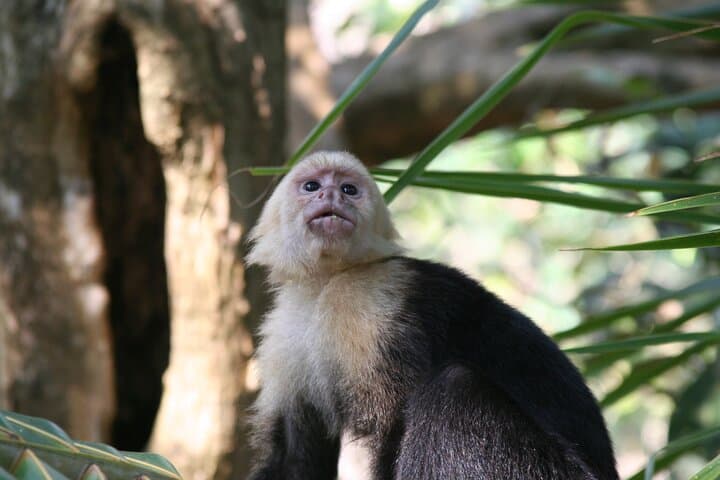

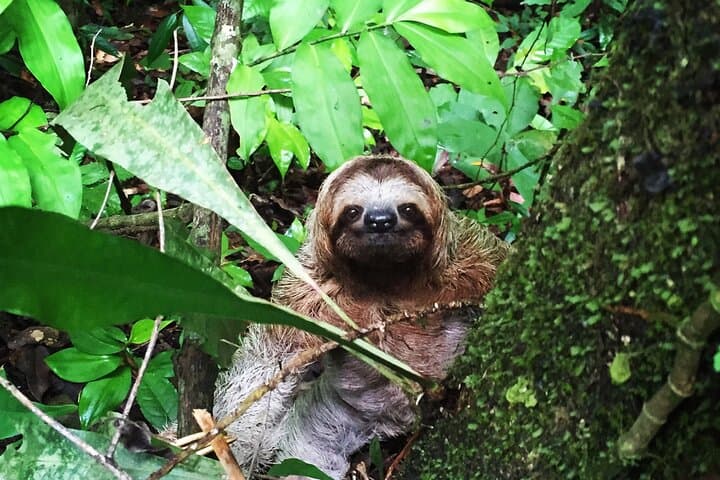
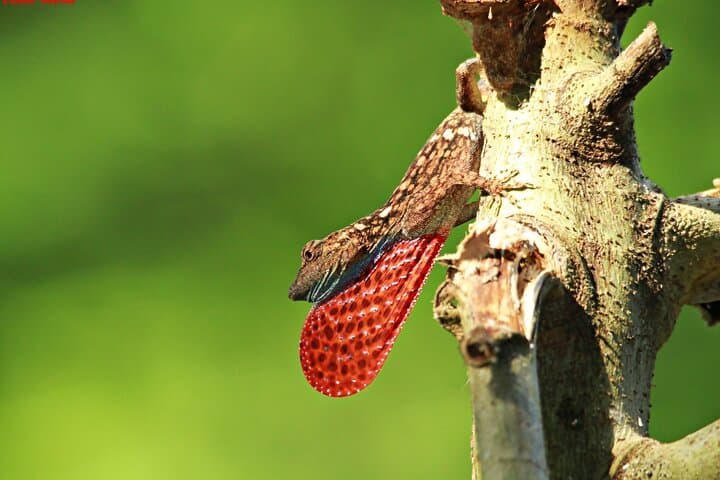
Heat and salt hover in the air as you step into a narrow trail that threads the edge of the Pacific—trees lean toward the ocean, and a distant surf calls you toward a beach framed by granite outcrops. From the first sweep of the guide’s spotting scope you’ll see sloths tucked in crowns, capuchins moving like small weather systems, and colorful birds flashing through damp leaves.
Heat and salt hover in the air as you step into a narrow trail that threads the edge of the Pacific—trees lean toward the ocean, and a distant surf calls you toward a beach framed by granite outcrops. From the first sweep of the guide’s spotting scope you’ll see sloths tucked in crowns, capuchins moving like small weather systems, and colorful birds flashing through damp leaves.
Manuel Antonio National Park, established in 1972, protects a compact swath of Pacific lowland rainforest and coastal terraces in Puntarenas Province. The park’s geology is straightforward: low hills, rocky headlands and sandy coves carved by waves and tropical weather, which support an unusually dense concentration of wildlife for a small area. Local culture around Quepos and Manuel Antonio blends fishing-town rhythms with eco-tourism—guides here often come from families tied to both the ocean and the jungle.
On a roughly 2 km guided loop with ~100 m of cumulative elevation change, expect firm dirt, exposed roots, short stair sections and rocky viewpoints; the pace is relaxed but focused on spotting and interpretation. Practical notes: buy SINAC entrance tickets in advance, bring 1–2 liters of water, a lightweight rain layer during the wet season and a camera you can hand off to the guide for digiscoping shots. Morning tours find the most animal activity; afternoons open into beach time—swimming in the park is commonly limited after 3 pm. Whether you come for close-up wildlife viewing or a short coastal hike, the trip pairs approachable terrain with high-return natural encounters.