THE ADVENTURE COLLECTIVE® · Independent discovery and booking for outdoor travel

Spend two hours with a licensed local guide spotting three-toed sloths, capuchin monkeys, and tide-pool life in Manuel Antonio National Park. This accessible walk combines coastal viewpoints, short rainforest trails, and optical gear for up-close wildlife viewing.
Spend two hours with a licensed local guide spotting three-toed sloths, capuchin monkeys, and tide-pool life in Manuel Antonio National Park. This accessible walk combines coastal viewpoints, short rainforest trails, and optical gear for up-close wildlife viewing.
A predawn hush hangs over the trail as the Pacific pushes warm air inland and the guide checks binoculars for the day's first signal. Footsteps fall soft on packed soil while howler monkeys announce their presence and a three-toed sloth surveys the canopy with deliberate curiosity—the forest seems to lean in to watch you pass.
Verified experiences and guided adventures in the surrounding area.
Operated by Tours guiados en Manuel Antonio con interpreters of the nature CR · Quepos, Puntarenas
A predawn hush hangs over the trail as the Pacific pushes warm air inland and the guide checks binoculars for the day's first signal. Footsteps fall soft on packed soil while howler monkeys announce their presence and a three-toed sloth surveys the canopy with deliberate curiosity—the forest seems to lean in to watch you pass.
Manuel Antonio National Park, created in 1972, sits on a rocky finger of Costa Rica's Central Pacific coast where volcanic uplift and marine erosion carved cliffs, coves, and black-and-white sand beaches. The walk moves through lowland rainforest, across short boardwalks over mangrove-fed streams, and onto coastal viewpoints where reef-studded shallows shape tide pools. Local guides combine natural history with cultural notes about Quepos fishing traditions and the park's role in Costa Rica's early conservation movement.
Practically speaking, this is a 2-hour guided walk focused on wildlife viewing rather than strenuous hiking. Expect uneven roots, brief inclines, and shaded trails—bring quiet footing and patience; animals reveal themselves on their own schedule. Your licensed bilingual guide supplies optical gear and HD photos of sightings, but personal binoculars speed up encounters. Arrive early to avoid heat and crowds, buy park entry separately, and follow ranger rules to protect habitats. Hydrate, wear closed-toe shoes, and keep voices low: the jungle rewards stillness with close encounters—sloths that blink slowly and capuchins that test your attention. Leave no trace, respect rope barriers, and plan a beach cooldown after the tour to round out the Manuel Antonio experience.
easy.
2 hours.
Suitable for most fitness levels; requires walking on uneven surfaces and brief inclines
No. Entrance to Manuel Antonio National Park is paid separately at the park; your guide will confirm current fees and entry procedures.
Sightings are common but never guaranteed—guides increase your odds using optics and local knowledge, and early tours have higher wildlife activity.
Some sections are uneven and have steps; the tour notes wheelchair and stroller accessibility for portions, but advanced notice helps guides prepare alternatives.
Bring water, closed-toe shoes, sun protection, a light rain layer in wet months, and a small daypack for personal items; guides provide binoculars and take HD photos as part of the experience.
Established in 1972, Manuel Antonio was one of Costa Rica’s early protected areas aimed at conserving coastal rainforest and marine habitats.
The park limits visitor numbers and enforces trail rules; stick to paths, avoid feeding wildlife, and pack out all trash to support conservation efforts.
Tours guiados en Manuel Antonio con interpreters of the nature CR operates guided outdoor trips and adventures with an emphasis on safety, stewardship, and memorable experiences.

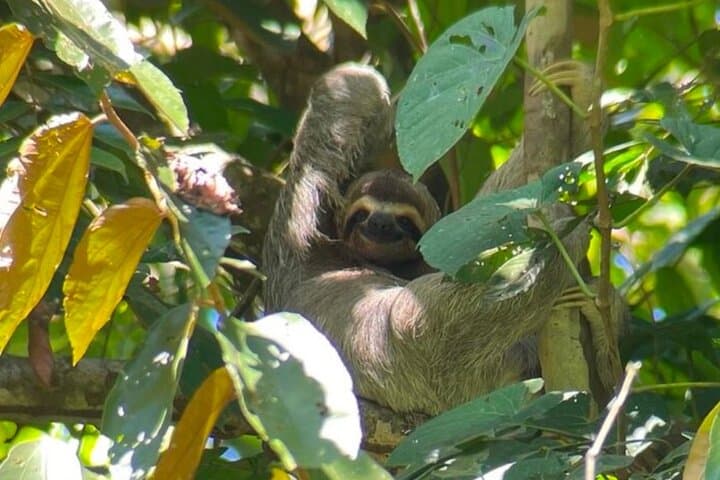
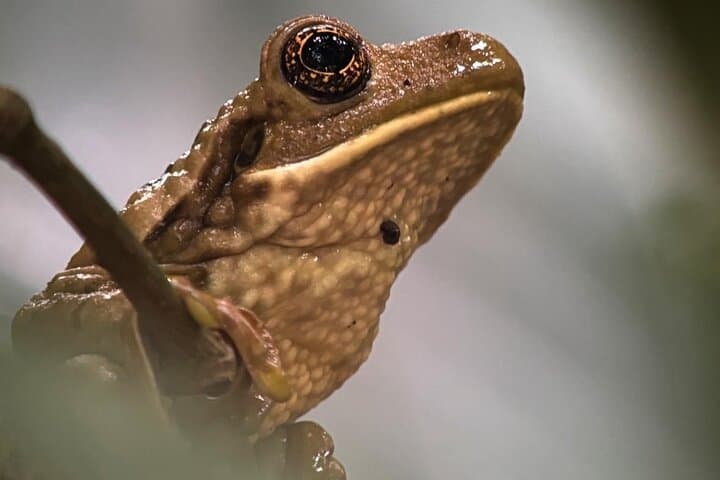

A predawn hush hangs over the trail as the Pacific pushes warm air inland and the guide checks binoculars for the day's first signal. Footsteps fall soft on packed soil while howler monkeys announce their presence and a three-toed sloth surveys the canopy with deliberate curiosity—the forest seems to lean in to watch you pass.
A predawn hush hangs over the trail as the Pacific pushes warm air inland and the guide checks binoculars for the day's first signal. Footsteps fall soft on packed soil while howler monkeys announce their presence and a three-toed sloth surveys the canopy with deliberate curiosity—the forest seems to lean in to watch you pass.
Manuel Antonio National Park, created in 1972, sits on a rocky finger of Costa Rica's Central Pacific coast where volcanic uplift and marine erosion carved cliffs, coves, and black-and-white sand beaches. The walk moves through lowland rainforest, across short boardwalks over mangrove-fed streams, and onto coastal viewpoints where reef-studded shallows shape tide pools. Local guides combine natural history with cultural notes about Quepos fishing traditions and the park's role in Costa Rica's early conservation movement.
Practically speaking, this is a 2-hour guided walk focused on wildlife viewing rather than strenuous hiking. Expect uneven roots, brief inclines, and shaded trails—bring quiet footing and patience; animals reveal themselves on their own schedule. Your licensed bilingual guide supplies optical gear and HD photos of sightings, but personal binoculars speed up encounters. Arrive early to avoid heat and crowds, buy park entry separately, and follow ranger rules to protect habitats. Hydrate, wear closed-toe shoes, and keep voices low: the jungle rewards stillness with close encounters—sloths that blink slowly and capuchins that test your attention. Leave no trace, respect rope barriers, and plan a beach cooldown after the tour to round out the Manuel Antonio experience.