THE ADVENTURE COLLECTIVE® · Independent discovery and booking for outdoor travel

A focused two-hour naturalist-led tour through Manuel Antonio National Park highlighting monkeys, sloths and coastal forest. Ideal for first-time visitors, this walk packs concentrated wildlife viewing and local insight into an accessible, expertly guided experience.
A focused two-hour naturalist-led tour through Manuel Antonio National Park highlighting monkeys, sloths and coastal forest. Ideal for first-time visitors, this walk packs concentrated wildlife viewing and local insight into an accessible, expertly guided experience.
You step from the dappled shade of a coastal rainforest trail into a world that moves with sound—branches whisper, distant surf pulses, and a squirrel monkey chatters above. The guided visit to Manuel Antonio National Park compresses that sensory rush into two focused hours, where a local naturalist points out the park’s compact but rich mosaic of beaches, mangroves and transitional forest.
Verified experiences and guided adventures in the surrounding area.
Operated by Ecotrek Manuel Antonio · Manuel Antonio, Puntarenas
You step from the dappled shade of a coastal rainforest trail into a world that moves with sound—branches whisper, distant surf pulses, and a squirrel monkey chatters above. The guided visit to Manuel Antonio National Park compresses that sensory rush into two focused hours, where a local naturalist points out the park’s compact but rich mosaic of beaches, mangroves and transitional forest.
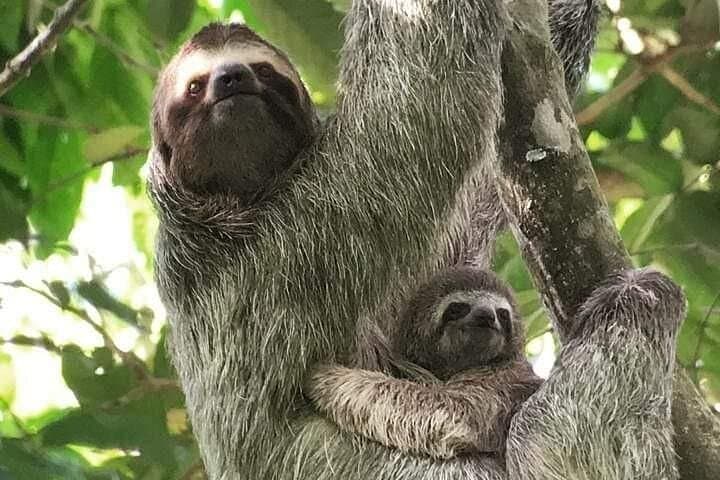
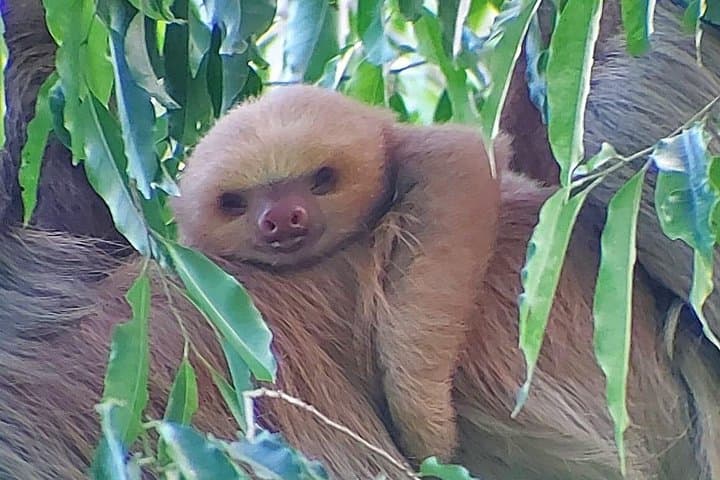
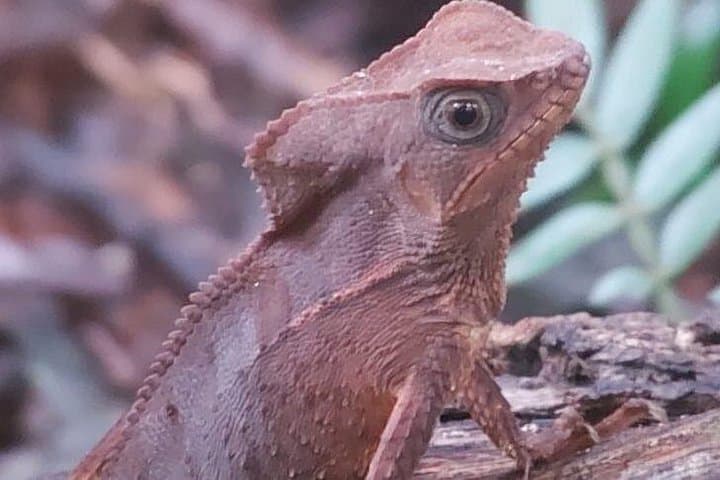
Geologically, Manuel Antonio sits on uplifted coastal terraces carved by Pacific tides and tropical rivers, creating steep headlands and small sandy coves. Culturally the park has been central to local conservation efforts since its establishment in 1972, protecting habitats that support four monkey species and both two-toed and three-toed sloths. The guide’s eye and supplied optical gear make it realistic to encounter white-faced capuchins, howlers, and basilisk lizards along well-maintained paths.
Practically, trails are short and relatively flat but can be slippery after rain; most groups walk at a steady, observational pace. Expect binocular-aided wildlife stops, a short beach viewpoint, and clear explanations about habitat and behavior rather than strenuous hiking. Morning departures stack your chances for active wildlife; midday sees more heat and quieter forests.
Bring sun protection, light rain layers in the wet season, and closed-toe shoes with grip. Photography is best with a zoom lens; follow your guide’s instructions to avoid disturbing animals. The park limits numbers to preserve wildlife and offers an accessible, high-impact nature experience that’s ideal for first-time Costa Rica visitors and wildlife fans seeking guaranteed naturalist interpretation.
easy.
2 hours.
Suitable for most fitness levels; requires walking short, mostly flat trails for up to two hours.
This guided visit typically covers the guided service and optical gear; confirm whether the park entrance fee is included at booking—many operators require separate ticket purchase on arrival.
Very likely—Manuel Antonio supports four monkey species and both sloth types; sightings are common on most guided walks, though wildlife is never guaranteed.
Many main paths in the park are maintained and accessible; check with your operator for specifics and to confirm wheelchair-accessible routes and facilities.
Early mornings are best for wildlife activity and cooler conditions; mid-morning tours are a good compromise if you prefer a later start.
Established in 1972, Manuel Antonio was created to protect coastal rainforest and its marine interface, becoming an early model for community-linked conservation in Costa Rica.
Visitor limits and guided tours help reduce disturbance; stick to trails, avoid feeding wildlife, and use reef-safe sunscreen to minimize ecological impact.
Ecotrek Manuel Antonio operates guided outdoor trips and adventures with an emphasis on safety, stewardship, and memorable experiences.
You step from the dappled shade of a coastal rainforest trail into a world that moves with sound—branches whisper, distant surf pulses, and a squirrel monkey chatters above. The guided visit to Manuel Antonio National Park compresses that sensory rush into two focused hours, where a local naturalist points out the park’s compact but rich mosaic of beaches, mangroves and transitional forest.
You step from the dappled shade of a coastal rainforest trail into a world that moves with sound—branches whisper, distant surf pulses, and a squirrel monkey chatters above. The guided visit to Manuel Antonio National Park compresses that sensory rush into two focused hours, where a local naturalist points out the park’s compact but rich mosaic of beaches, mangroves and transitional forest.
Geologically, Manuel Antonio sits on uplifted coastal terraces carved by Pacific tides and tropical rivers, creating steep headlands and small sandy coves. Culturally the park has been central to local conservation efforts since its establishment in 1972, protecting habitats that support four monkey species and both two-toed and three-toed sloths. The guide’s eye and supplied optical gear make it realistic to encounter white-faced capuchins, howlers, and basilisk lizards along well-maintained paths.
Practically, trails are short and relatively flat but can be slippery after rain; most groups walk at a steady, observational pace. Expect binocular-aided wildlife stops, a short beach viewpoint, and clear explanations about habitat and behavior rather than strenuous hiking. Morning departures stack your chances for active wildlife; midday sees more heat and quieter forests.
Bring sun protection, light rain layers in the wet season, and closed-toe shoes with grip. Photography is best with a zoom lens; follow your guide’s instructions to avoid disturbing animals. The park limits numbers to preserve wildlife and offers an accessible, high-impact nature experience that’s ideal for first-time Costa Rica visitors and wildlife fans seeking guaranteed naturalist interpretation.