THE ADVENTURE COLLECTIVE® · Independent discovery and booking for outdoor travel

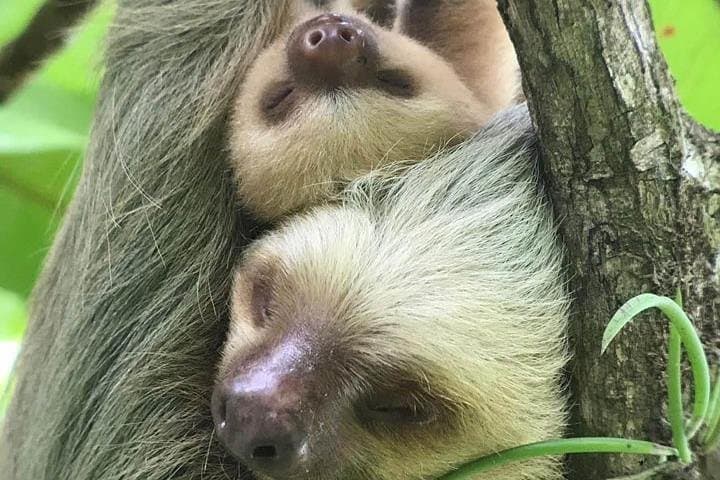
Walk the main trails of Manuel Antonio National Park with a bilingual naturalist guide and a good chance to see sloths, monkeys, and tropical birds. Early-morning departures offer quieter trails and the best wildlife activity.
Walk the main trails of Manuel Antonio National Park with a bilingual naturalist guide and a good chance to see sloths, monkeys, and tropical birds. Early-morning departures offer quieter trails and the best wildlife activity.
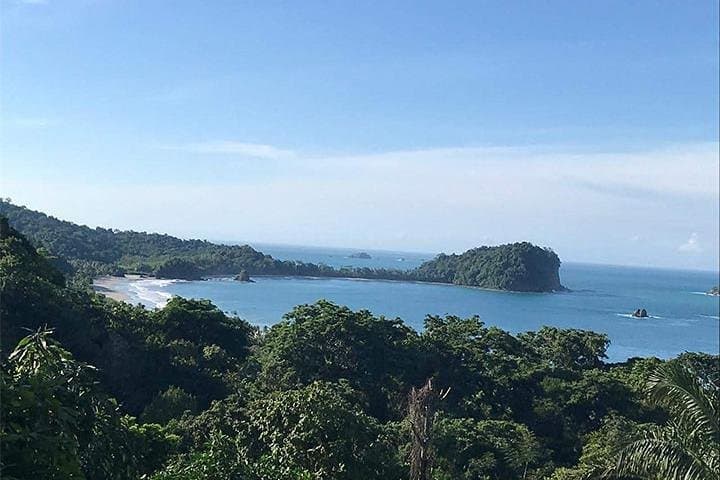
A green heat settles over the trail before most visitors arrive; the air tastes like salt and wet leaves. On a guided walk through Manuel Antonio National Park, the rainforest opens in stages: shadowed understory, sudden sunlit clearings, and the low roar of the Pacific pressing against the coastline. Early morning departures at 7:00 a.m. are recommended—monkeys are active, sloths change positions, and bird calls fill the canopy.
Verified experiences and guided adventures in the surrounding area.
Operated by Mystique Nature Tours · Manuel Antonio, Puntarenas
A green heat settles over the trail before most visitors arrive; the air tastes like salt and wet leaves. On a guided walk through Manuel Antonio National Park, the rainforest opens in stages: shadowed understory, sudden sunlit clearings, and the low roar of the Pacific pressing against the coastline. Early morning departures at 7:00 a.m. are recommended—monkeys are active, sloths change positions, and bird calls fill the canopy.
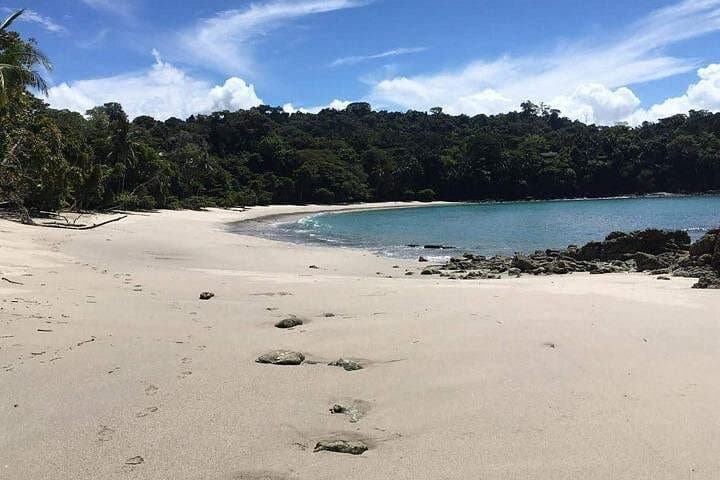
Established in the 1970s, the park preserves a compact slice of Pacific coastal rainforest and rocky headlands atop older volcanic and sedimentary rock. The terrain is mostly well-maintained paths and short stair sections, with geological exposures revealing dark basalt flows and coastal sands at the beaches. Local guides link the natural history to indigenous and settler uses of the land while pointing out how tourism now supports conservation.
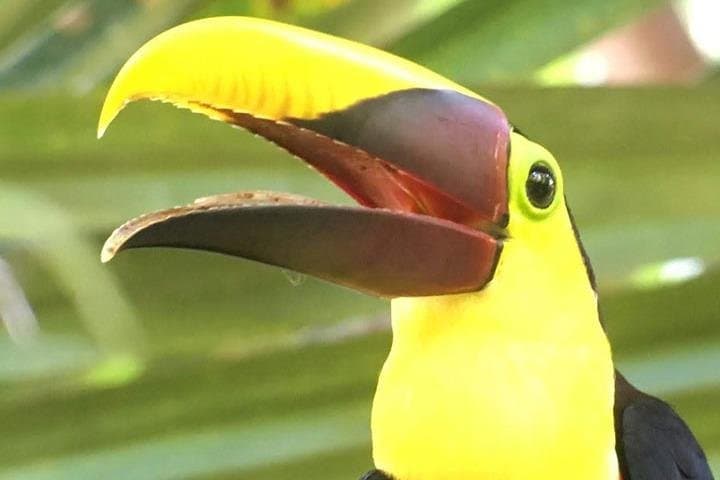
Expect slow, attentive walking for around 2–3 hours along main trails, with roughly one hour of free time at Beach #3 for swimming or tidepool exploration. Guides use spotting scopes and binoculars to find capuchin monkeys, sloths, toucans, and iguanas; keep cameras ready but hands off wildlife. Practical notes: wear sturdy shoes with good grip for roots and steps, bring reef-safe sunscreen and at least 1–2 liters of water, and plan for shade and sudden tropical showers. Tours are accessible to most fitness levels but not recommended for those with spinal issues or late pregnancy. Book early-morning slots for fewer crowds and better wildlife activity.
easy.
2–3 hours.
Suitable for most people who can walk 2–3 hours on uneven ground with short stair sections; not for those with spinal/serious cardio issues.
The meeting point is at the tour operator’s office 50 meters before the main entrance of Manuel Antonio National Park (behind the restaurant 'DONDE ALEX'); the tour returns to the same location.
Wildlife sightings are common—white-faced capuchins, sloths, toucans and iguanas are frequently seen—but sightings can’t be guaranteed since animals move freely in the park.
The tour is suitable for a wide range of ages and fitness levels, but it includes uneven paths and stairs; inquire about private tours if you need a slower pace or special accommodations.
Transportation from/to hotels in the Manuel Antonio area is included on private tours; confirm pickup when booking for shared tour options.
Designated in the 1970s, Manuel Antonio is one of Costa Rica’s smallest national parks yet protects important coastal rainforest and marine edge habitats.
Visitor numbers are managed to reduce impact; stay on trails, avoid feeding wildlife, and choose reef-safe products to protect shore ecosystems.
Mystique Nature Tours operates guided outdoor trips and adventures with an emphasis on safety, stewardship, and memorable experiences.
A green heat settles over the trail before most visitors arrive; the air tastes like salt and wet leaves. On a guided walk through Manuel Antonio National Park, the rainforest opens in stages: shadowed understory, sudden sunlit clearings, and the low roar of the Pacific pressing against the coastline. Early morning departures at 7:00 a.m. are recommended—monkeys are active, sloths change positions, and bird calls fill the canopy.
A green heat settles over the trail before most visitors arrive; the air tastes like salt and wet leaves. On a guided walk through Manuel Antonio National Park, the rainforest opens in stages: shadowed understory, sudden sunlit clearings, and the low roar of the Pacific pressing against the coastline. Early morning departures at 7:00 a.m. are recommended—monkeys are active, sloths change positions, and bird calls fill the canopy.
Established in the 1970s, the park preserves a compact slice of Pacific coastal rainforest and rocky headlands atop older volcanic and sedimentary rock. The terrain is mostly well-maintained paths and short stair sections, with geological exposures revealing dark basalt flows and coastal sands at the beaches. Local guides link the natural history to indigenous and settler uses of the land while pointing out how tourism now supports conservation.
Expect slow, attentive walking for around 2–3 hours along main trails, with roughly one hour of free time at Beach #3 for swimming or tidepool exploration. Guides use spotting scopes and binoculars to find capuchin monkeys, sloths, toucans, and iguanas; keep cameras ready but hands off wildlife. Practical notes: wear sturdy shoes with good grip for roots and steps, bring reef-safe sunscreen and at least 1–2 liters of water, and plan for shade and sudden tropical showers. Tours are accessible to most fitness levels but not recommended for those with spinal issues or late pregnancy. Book early-morning slots for fewer crowds and better wildlife activity.