THE ADVENTURE COLLECTIVE® · Independent discovery and booking for outdoor travel

Short, wildlife-rich guided walks through Manuel Antonio National Park that pair high-powered optics with experienced, licensed guides. Expect close wildlife viewing, interpretive commentary, and a finish at Manuel Antonio Beach.
Short, wildlife-rich guided walks through Manuel Antonio National Park that pair high-powered optics with experienced, licensed guides. Expect close wildlife viewing, interpretive commentary, and a finish at Manuel Antonio Beach.
You step through the park gate and the rainforest inhales around you — moist air, an orchestration of bird calls, leaves brushing like slow applause. Your ICT‑certified nature specialist scans the canopy with a Swarovski spotting scope, guiding the eye where sloths cling like slow-moving ornaments and squirrel monkeys flit in quick, curious bursts.
Verified experiences and guided adventures in the surrounding area.
Operated by Costa Rica Wáköö Tours · Manuel Antonio, Puntarenas
You step through the park gate and the rainforest inhales around you — moist air, an orchestration of bird calls, leaves brushing like slow applause. Your ICT‑certified nature specialist scans the canopy with a Swarovski spotting scope, guiding the eye where sloths cling like slow-moving ornaments and squirrel monkeys flit in quick, curious bursts.
Manuel Antonio National Park, established in the early 1970s on Costa Rica’s Puntarenas coast, occupies a small but ecologically rich corner of a larger 1,000‑hectare wildlife landscape. Granite outcrops and low hills channel small streams to the sea; the terrain shifts from shady trails to bright, palm-fringed beach in under an hour. Indigenous and colonial histories touched this coast, while modern conservation has focused on balancing heavy visitation with habitat protection.
On a guided two‑hour walk you’ll learn to read animal behavior, find tiny reptiles and colorful birds, and understand why animals move away from human disturbance. Guides take photos and videos with high‑powered optics, so you leave with both memories and images.
Practical guidance: arrive early to avoid the midday heat and crowds; bring insect repellent, water, and a lightweight rain layer during the green season. Stick to marked trails and keep voices low — wildlife moves on a timetable of its own. The walk ends at Manuel Antonio Beach, where tide and surf invite a cool-down swim before heading out.
This is a compact, high-value wildlife experience — short on hike length but rich in encounters and interpretive insight.
easy.
2 hours.
Suitable for most fitness levels; short, mostly flat trails with occasional roots and steps
The guide maximizes sightings using experience and optics, but wildlife sightings can’t be guaranteed — animals roam freely across larger habitat areas.
The operator indicates wheelchair accessibility for transport and short sections; contact the provider in advance to confirm specific accessibility needs.
Meeting is at Manuel Antonio Park main entrance; the guided portion is approximately two hours, ending at the park beach area.
Yes — guides use a Swarovski spotting scope and provide photos and videos of animals free of charge as part of the tour.
Manuel Antonio became a national park in the early 1970s to protect coastal rainforest and marine habitats, growing into one of Costa Rica’s most visited protected areas.
Heavy visitation requires strict trail discipline and no‑feeding rules; support local guides who follow park regulations and practice leave‑no‑trace principles.
Costa Rica Wáköö Tours operates guided outdoor trips and adventures with an emphasis on safety, stewardship, and memorable experiences.
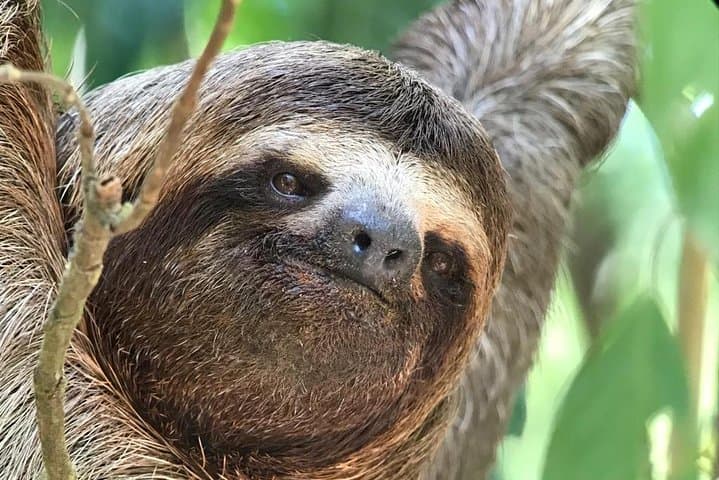
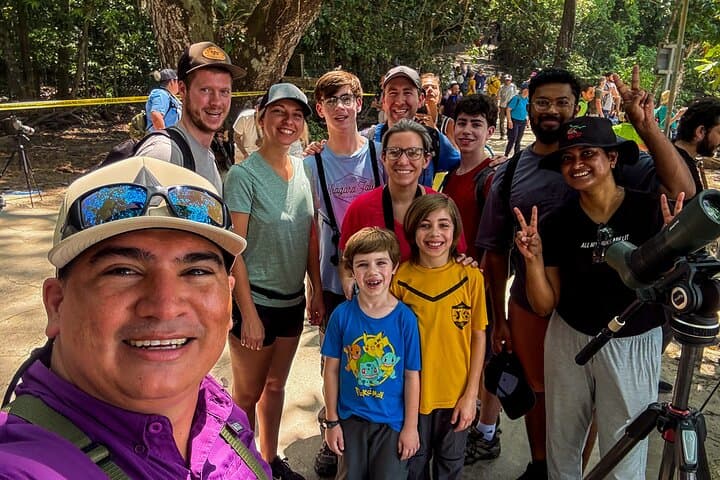
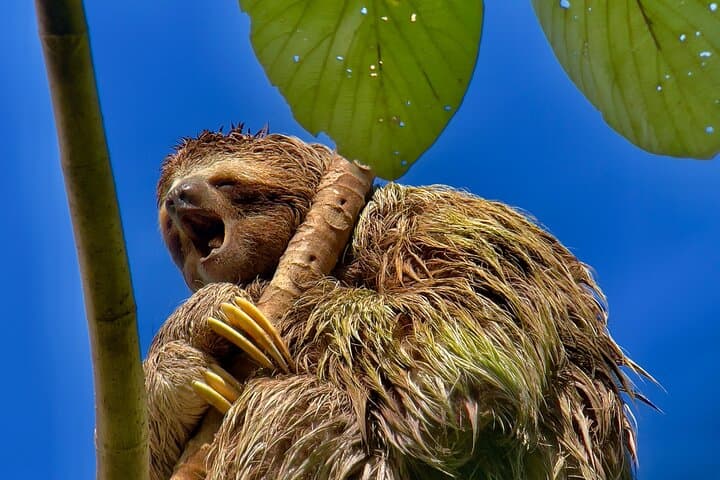
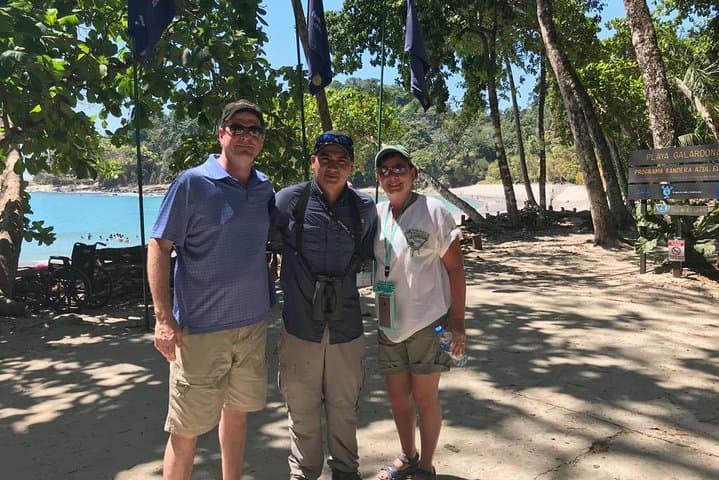
You step through the park gate and the rainforest inhales around you — moist air, an orchestration of bird calls, leaves brushing like slow applause. Your ICT‑certified nature specialist scans the canopy with a Swarovski spotting scope, guiding the eye where sloths cling like slow-moving ornaments and squirrel monkeys flit in quick, curious bursts.
You step through the park gate and the rainforest inhales around you — moist air, an orchestration of bird calls, leaves brushing like slow applause. Your ICT‑certified nature specialist scans the canopy with a Swarovski spotting scope, guiding the eye where sloths cling like slow-moving ornaments and squirrel monkeys flit in quick, curious bursts.
Manuel Antonio National Park, established in the early 1970s on Costa Rica’s Puntarenas coast, occupies a small but ecologically rich corner of a larger 1,000‑hectare wildlife landscape. Granite outcrops and low hills channel small streams to the sea; the terrain shifts from shady trails to bright, palm-fringed beach in under an hour. Indigenous and colonial histories touched this coast, while modern conservation has focused on balancing heavy visitation with habitat protection.
On a guided two‑hour walk you’ll learn to read animal behavior, find tiny reptiles and colorful birds, and understand why animals move away from human disturbance. Guides take photos and videos with high‑powered optics, so you leave with both memories and images.
Practical guidance: arrive early to avoid the midday heat and crowds; bring insect repellent, water, and a lightweight rain layer during the green season. Stick to marked trails and keep voices low — wildlife moves on a timetable of its own. The walk ends at Manuel Antonio Beach, where tide and surf invite a cool-down swim before heading out.
This is a compact, high-value wildlife experience — short on hike length but rich in encounters and interpretive insight.