THE ADVENTURE COLLECTIVE® · Independent discovery and booking for outdoor travel

A long day from San José rewards travelers with white-sand beaches, easy rainforest trails and close wildlife encounters. This organized day trip covers transport, park entry and a guide—expect early pickup and a full day of coastal rainforest exploration.
A long day from San José rewards travelers with white-sand beaches, easy rainforest trails and close wildlife encounters. This organized day trip covers transport, park entry and a guide—expect early pickup and a full day of coastal rainforest exploration.
You step off the minivan and the air changes—salt and green pressing in from every direction. The trail slopes down under a canopy that hums with insects; bright birds punctuate the branches while the Pacific glints between palms. Beaches appear like clearings in the forest, waves nudging coral-studded shallows and the surf daring you to wade.
Verified experiences and guided adventures in the surrounding area.
Operated by Destiny Travel Costa Rica · Quepos, Puntarenas Province
You step off the minivan and the air changes—salt and green pressing in from every direction. The trail slopes down under a canopy that hums with insects; bright birds punctuate the branches while the Pacific glints between palms. Beaches appear like clearings in the forest, waves nudging coral-studded shallows and the surf daring you to wade.
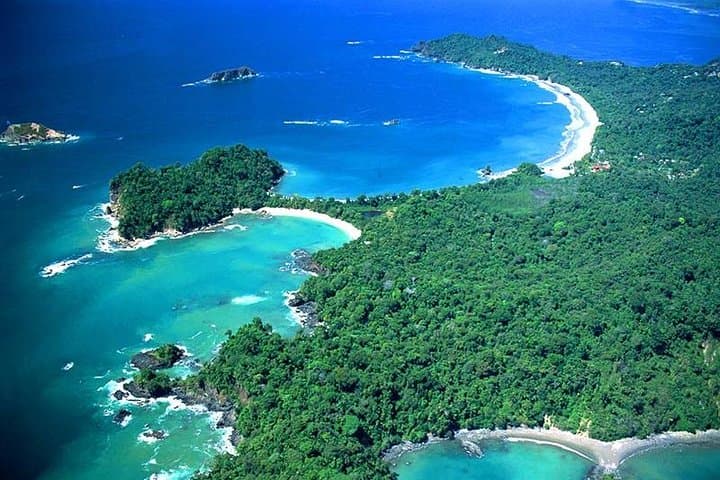
Manuel Antonio was set aside as a national park in the early 1970s to protect one of Costa Rica’s smallest but most biodiverse coastal reserves. The volcanic geology of the Central Pacific shaped cliffs and coves; currents and reef formations have created calm bays favored by marine life. The park operates with strict daily limits and ticketed entry—part of Costa Rica’s long-running push to balance tourism with conservation.
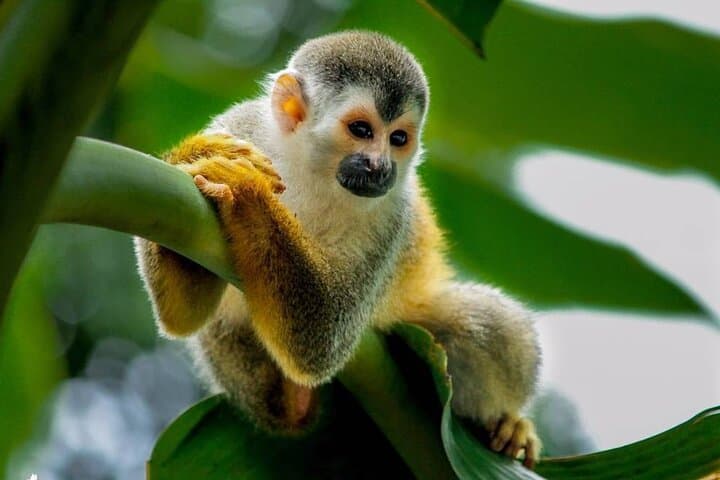
Guides point out white-faced capuchins, iguanas sunning on boulders and the slow, deliberate movement of three-toed sloths in the canopy. Local culture surfaces in roadside stalls selling fresh fruit and in the typical breakfast—gallo pinto and eggs—that fuels the morning drive from San José.
Practical side: expect a long day (roughly 10–13 hours roundtrip). Bring a refillable water bottle, reef-safe sunscreen, comfortable walking shoes and your passport (park registration requires full names and passport numbers). Plan to arrive early in the park to avoid crowds and to increase wildlife sightings; stay on designated trails and respect posted rules about food and single-use plastics. Towels aren’t provided—pack one if you plan to swim—and check pickup times with the operator the night before to account for traffic.
easy.
10–13 hours.
Suitable for travelers with average fitness; expect several short hikes and beach walking over the day
Yes—your full name and passport number are required to register park tickets; bring the physical passport when traveling in case verification is needed.
Yes—this tour includes breakfast and a lunch, typically served at a roadside restaurant en route or near Quepos before park entry.
Yes—several beaches in Manuel Antonio allow swimming, but check local signage for current conditions and avoid swimming near rocks or strong currents.
The tour is described as suitable for all fitness levels and includes wheelchair-accessible transport options, but some park trails and beach access involve steps or uneven ground—check specifics with the operator if mobility is a concern.
Manuel Antonio became a national park in 1972 to protect coastal rainforest and marine habitats as tourism and development increased along Costa Rica’s Pacific coast.
The park enforces daily visitor limits and prohibits single-use plastics and outside food to reduce wildlife habituation and preserve sensitive beach and reef habitats.
Destiny Travel Costa Rica operates guided outdoor trips and adventures with an emphasis on safety, stewardship, and memorable experiences.

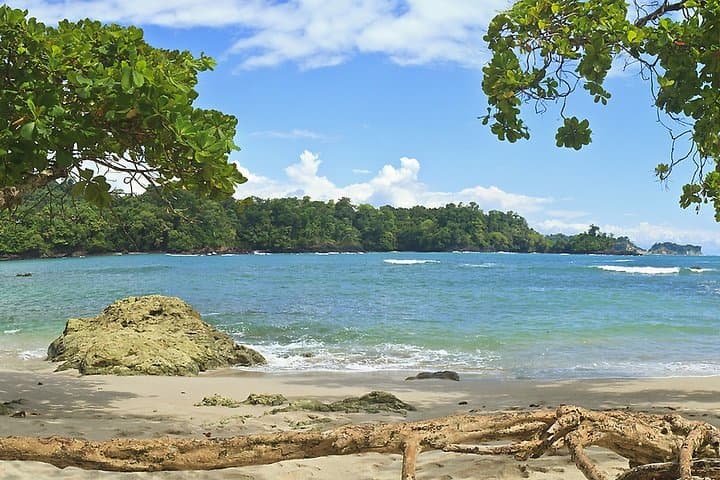
You step off the minivan and the air changes—salt and green pressing in from every direction. The trail slopes down under a canopy that hums with insects; bright birds punctuate the branches while the Pacific glints between palms. Beaches appear like clearings in the forest, waves nudging coral-studded shallows and the surf daring you to wade.
You step off the minivan and the air changes—salt and green pressing in from every direction. The trail slopes down under a canopy that hums with insects; bright birds punctuate the branches while the Pacific glints between palms. Beaches appear like clearings in the forest, waves nudging coral-studded shallows and the surf daring you to wade.
Manuel Antonio was set aside as a national park in the early 1970s to protect one of Costa Rica’s smallest but most biodiverse coastal reserves. The volcanic geology of the Central Pacific shaped cliffs and coves; currents and reef formations have created calm bays favored by marine life. The park operates with strict daily limits and ticketed entry—part of Costa Rica’s long-running push to balance tourism with conservation.
Guides point out white-faced capuchins, iguanas sunning on boulders and the slow, deliberate movement of three-toed sloths in the canopy. Local culture surfaces in roadside stalls selling fresh fruit and in the typical breakfast—gallo pinto and eggs—that fuels the morning drive from San José.
Practical side: expect a long day (roughly 10–13 hours roundtrip). Bring a refillable water bottle, reef-safe sunscreen, comfortable walking shoes and your passport (park registration requires full names and passport numbers). Plan to arrive early in the park to avoid crowds and to increase wildlife sightings; stay on designated trails and respect posted rules about food and single-use plastics. Towels aren’t provided—pack one if you plan to swim—and check pickup times with the operator the night before to account for traffic.