THE ADVENTURE COLLECTIVE® · Independent discovery and booking for outdoor travel

A full-day guided trip from San José to Manuel Antonio National Park that combines rainforest wildlife viewing with free time on Pacific beaches. Ideal for travelers wanting easy walking, reliable wildlife sightings, and a beach finish to the day.
A full-day guided trip from San José to Manuel Antonio National Park that combines rainforest wildlife viewing with free time on Pacific beaches. Ideal for travelers wanting easy walking, reliable wildlife sightings, and a beach finish to the day.
You step off the coastal highway and the air changes: humid, salt-scented, threaded with bird calls. The route from San José drops through farming valleys before the forest rises again in a riot of green. At Manuel Antonio National Park the trail squeezes through low canopy, roots folding into the path, and the Pacific glitters beyond a stand of palms.
Verified experiences and guided adventures in the surrounding area.
Operated by Natúa Travel · Quepos, Puntarenas
You step off the coastal highway and the air changes: humid, salt-scented, threaded with bird calls. The route from San José drops through farming valleys before the forest rises again in a riot of green. At Manuel Antonio National Park the trail squeezes through low canopy, roots folding into the path, and the Pacific glitters beyond a stand of palms.
Manuel Antonio, set on Costa Rica’s central Pacific coast and created as a national park in 1972, is one of the country’s smallest yet most biodiverse protected areas. Geologically the park sits on the coastal plain where Pleistocene uplift and marine terraces meet volcanic soils, producing nutrient-rich ground that supports dense rainforest and mangrove fringes. The local culture mixes coastal fishing traditions in nearby Quepos with tourism services built around nature appreciation.
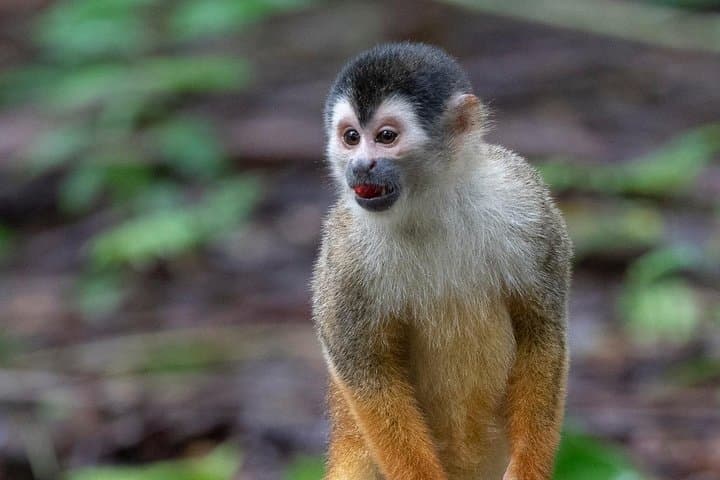
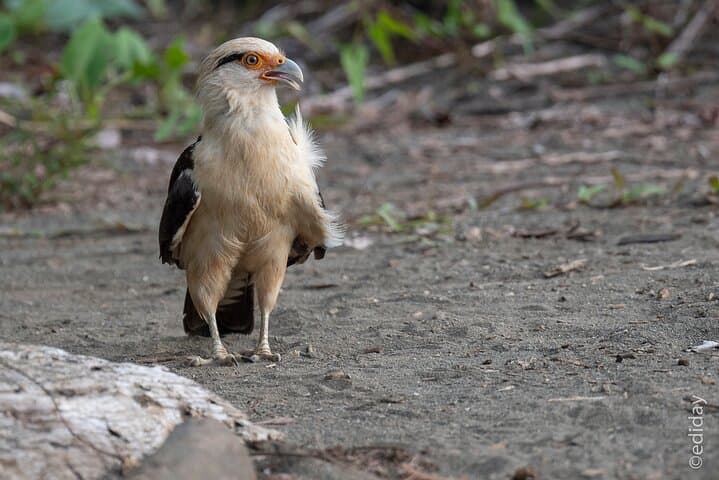
On a guided morning walk you’ll search for white-faced capuchins, sloths, colorful toucans and poison-dart frogs while learning about trail ecology and species behavior. Guides point out medicinal plants, explain tide-flat food chains and the park’s ongoing conservation challenges, then leave you time to relax on one of the park’s small beaches.
Practical guidance: arrive with reef-safe sunscreen, comfortable closed-toe shoes, and a light rain shell — weather shifts quickly. Expect several kilometers of easy walking with some root-strewn sections; bring water and binoculars for better wildlife viewing. Respect park rules: stay on marked trails, don’t feed animals, and plan transport back to San José if you’re on a full-day schedule.
easy.
12 hours.
Suitable for most fitness levels; requires standing and walking up to a few kilometers on uneven, low-gradient trails.
Yes—this tour includes the national park entrance fee as part of the itinerary.
The guided portion is roughly 3–4 hours with stops to view wildlife and learn about flora and fauna.
Pickup is provided from hotels in San José; operators typically meet guests in the lobby at the scheduled time.
The park has some uneven trail sections but the tour is rated easy; it’s family-friendly though visitors with mobility limits should check specific accessibility options with the operator.
Declared a national park in 1972, Manuel Antonio protects coastal rainforest and marine habitats on Costa Rica’s Pacific coast and has become a model for small-park tourism management.
High visitor numbers require strict trail etiquette—stay on marked paths, never feed wildlife, and use reef-safe sunscreen to reduce reef and wildlife impacts.
Natúa Travel operates guided outdoor trips and adventures with an emphasis on safety, stewardship, and memorable experiences.
You step off the coastal highway and the air changes: humid, salt-scented, threaded with bird calls. The route from San José drops through farming valleys before the forest rises again in a riot of green. At Manuel Antonio National Park the trail squeezes through low canopy, roots folding into the path, and the Pacific glitters beyond a stand of palms.
You step off the coastal highway and the air changes: humid, salt-scented, threaded with bird calls. The route from San José drops through farming valleys before the forest rises again in a riot of green. At Manuel Antonio National Park the trail squeezes through low canopy, roots folding into the path, and the Pacific glitters beyond a stand of palms.
Manuel Antonio, set on Costa Rica’s central Pacific coast and created as a national park in 1972, is one of the country’s smallest yet most biodiverse protected areas. Geologically the park sits on the coastal plain where Pleistocene uplift and marine terraces meet volcanic soils, producing nutrient-rich ground that supports dense rainforest and mangrove fringes. The local culture mixes coastal fishing traditions in nearby Quepos with tourism services built around nature appreciation.
On a guided morning walk you’ll search for white-faced capuchins, sloths, colorful toucans and poison-dart frogs while learning about trail ecology and species behavior. Guides point out medicinal plants, explain tide-flat food chains and the park’s ongoing conservation challenges, then leave you time to relax on one of the park’s small beaches.
Practical guidance: arrive with reef-safe sunscreen, comfortable closed-toe shoes, and a light rain shell — weather shifts quickly. Expect several kilometers of easy walking with some root-strewn sections; bring water and binoculars for better wildlife viewing. Respect park rules: stay on marked trails, don’t feed animals, and plan transport back to San José if you’re on a full-day schedule.