THE ADVENTURE COLLECTIVE® · Independent discovery and booking for outdoor travel

Cook with locals and walk a medicinal-plant garden near Manuel Antonio. This three-hour tour combines plantation visits, hands-on instruction, and a traditional casado lunch.
Cook with locals and walk a medicinal-plant garden near Manuel Antonio. This three-hour tour combines plantation visits, hands-on instruction, and a traditional casado lunch.
You arrive where the rainforest meets the shore: the air is humid, the scent of crushed leaves sharp and green, and a row of vanilla vines leans toward the afternoon light as if to be sampled.
Verified experiences and guided adventures in the surrounding area.
Operated by Terra Travel Costa Rica · Manuel Antonio, Puntarenas
You arrive where the rainforest meets the shore: the air is humid, the scent of crushed leaves sharp and green, and a row of vanilla vines leans toward the afternoon light as if to be sampled.
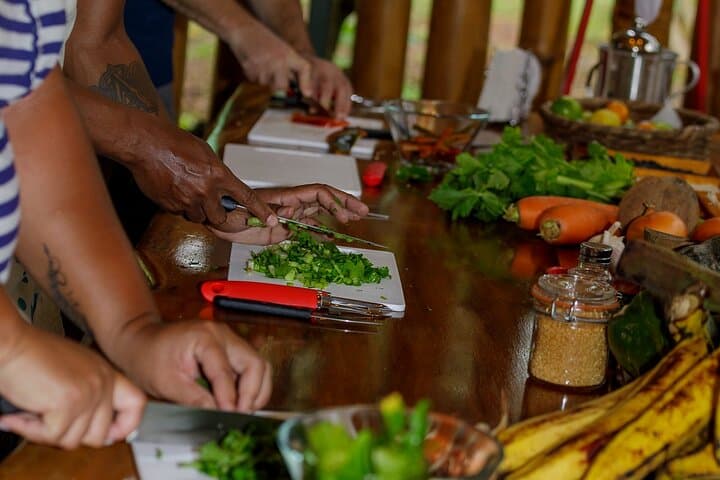
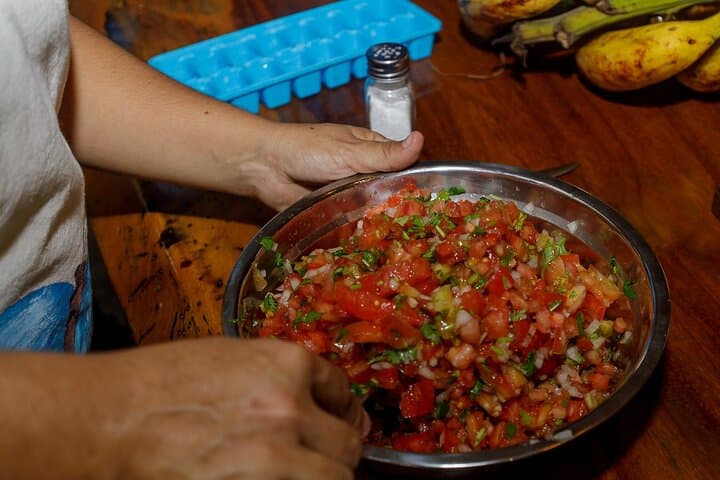
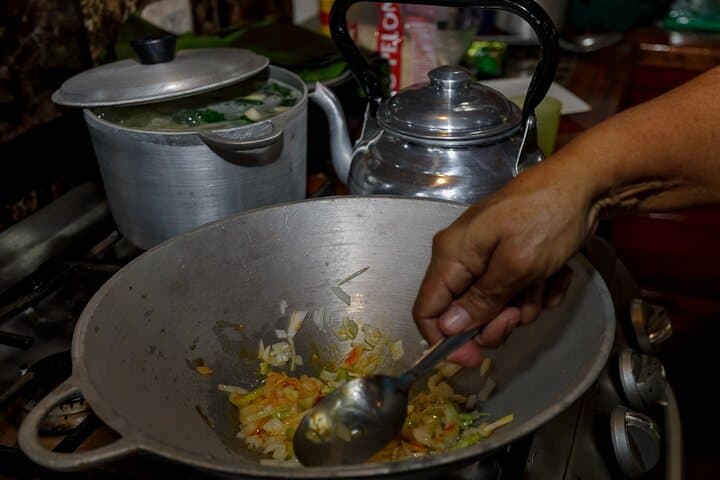
This three-hour experience moves you through working plantations and a medicinal-plant garden before settling you at a local kitchen to learn a traditional casado. Along the coast of Costa Rica’s Central Pacific, lowland rainforest soils and a warm, wet climate have nourished cacao and vanilla since pre-colonial times; sugarcane and small-scale farming later shaped the rural economy and local cuisine you taste today.
A guide explains how indigenous and peasant knowledge turns a leaf or seed into medicine and flavor, while cacao pods and sugarcane stand like quiet teachers on the path. The garden invites you to touch balsam leaves and rub aromatic herbs between your fingers; the plants seem to nudge you into tasting and learning.
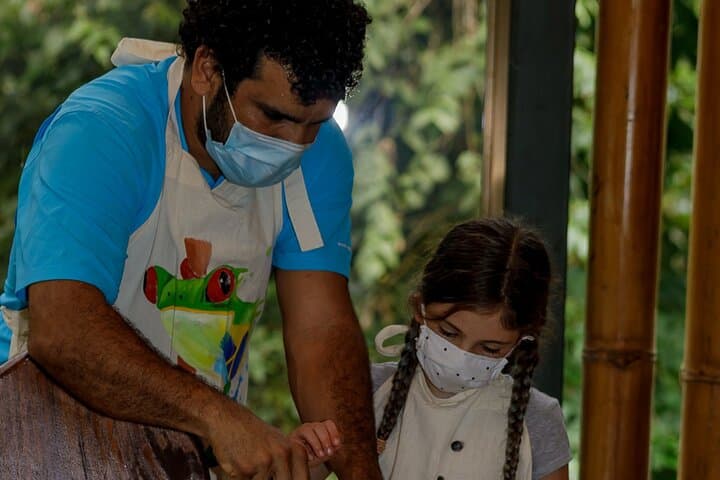
Practically: expect moderate walking on garden paths and plantation tracks, an air-conditioned transfer from Manuel Antonio or Quepos, and hands-on cooking instruction from local hosts. Lunch — a casado — is included, and dietary needs can be accommodated if requested in advance.
Bring sun protection, insect repellent and a small daypack; wear closed-toe shoes that can handle dirt paths. Morning departures avoid the hottest hours and increase bird and wildlife sightings. This tour pairs cultural foodways with practical plant knowledge — ideal for travelers who want to cook, learn, and leave with a clearer connection to the land.
easy.
3 hours.
Light activity — standing for cooking and short, gentle walks on garden and plantation paths; suitable for most fitness levels.
The activity runs about 3 hours and includes air-conditioned transport, visits to plantations and a medicinal garden, a hands-on cooking class, and a casado lunch with coffee or tea.
Yes — the operator can adapt dishes for common dietary needs if you list them during booking or in the special requirements field.
The tour is family-friendly and wheelchair accessible, but it includes some garden paths; contact the operator ahead to confirm specific mobility needs.
Wear closed-toe shoes and lightweight clothing, bring insect repellent, sun protection, a water bottle, and small local currency for souvenirs.
The Central Pacific region has long combined indigenous plant knowledge with colonial-era crops like cacao and sugarcane; local food traditions evolved from this mix of native and introduced ingredients.
Choose operators who support local growers and smallholders; stay on marked paths, avoid removing plant material, and favor tours that reuse and compost food waste.
Terra Travel Costa Rica operates guided outdoor trips and adventures with an emphasis on safety, stewardship, and memorable experiences.
You arrive where the rainforest meets the shore: the air is humid, the scent of crushed leaves sharp and green, and a row of vanilla vines leans toward the afternoon light as if to be sampled.
You arrive where the rainforest meets the shore: the air is humid, the scent of crushed leaves sharp and green, and a row of vanilla vines leans toward the afternoon light as if to be sampled.
This three-hour experience moves you through working plantations and a medicinal-plant garden before settling you at a local kitchen to learn a traditional casado. Along the coast of Costa Rica’s Central Pacific, lowland rainforest soils and a warm, wet climate have nourished cacao and vanilla since pre-colonial times; sugarcane and small-scale farming later shaped the rural economy and local cuisine you taste today.
A guide explains how indigenous and peasant knowledge turns a leaf or seed into medicine and flavor, while cacao pods and sugarcane stand like quiet teachers on the path. The garden invites you to touch balsam leaves and rub aromatic herbs between your fingers; the plants seem to nudge you into tasting and learning.
Practically: expect moderate walking on garden paths and plantation tracks, an air-conditioned transfer from Manuel Antonio or Quepos, and hands-on cooking instruction from local hosts. Lunch — a casado — is included, and dietary needs can be accommodated if requested in advance.
Bring sun protection, insect repellent and a small daypack; wear closed-toe shoes that can handle dirt paths. Morning departures avoid the hottest hours and increase bird and wildlife sightings. This tour pairs cultural foodways with practical plant knowledge — ideal for travelers who want to cook, learn, and leave with a clearer connection to the land.