THE ADVENTURE COLLECTIVE® · Independent discovery and booking for outdoor travel

Combine a short garden walk with a hands-on cooking lesson in Manuel Antonio. Learn about vanilla, cacao and medicinal plants, then cook and eat a traditional casado with local hosts.
Combine a short garden walk with a hands-on cooking lesson in Manuel Antonio. Learn about vanilla, cacao and medicinal plants, then cook and eat a traditional casado with local hosts.
Morning light filters through the garden’s broad leaves as an air-conditioned van eases up a dirt drive and you step into a hum of insects and citrus-sweet air.
Verified experiences and guided adventures in the surrounding area.
Operated by Chocolate Tour Manuel Antonio · Manuel Antonio, Puntarenas
Morning light filters through the garden’s broad leaves as an air-conditioned van eases up a dirt drive and you step into a hum of insects and citrus-sweet air.
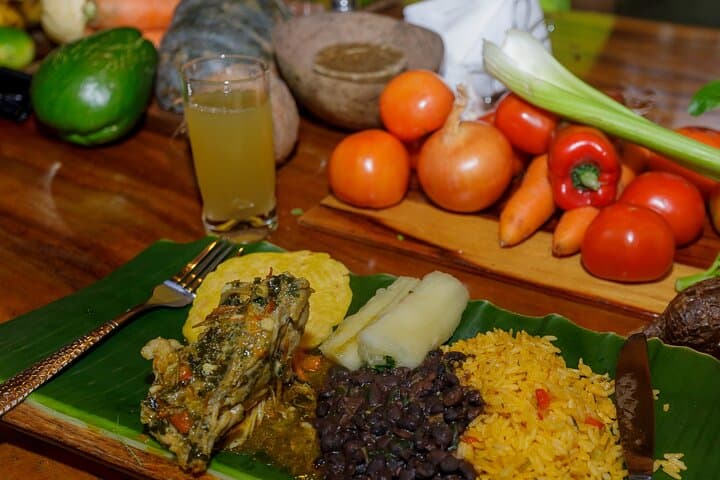
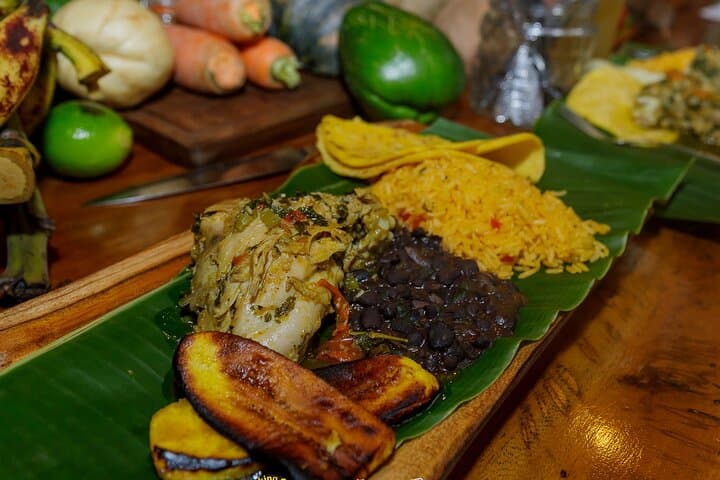
This two-hour experience in the Manuel Antonio/Quepos area pairs a hands-on cooking class with a walk through botanical plots — vanilla vines winding on supports, cacao pods bright against glossy foliage, and a carefully labeled medical plants garden where local remedies are explained in plain language. The tour finishes in a family kitchen where you learn to build a classic casado, tasting coffee and sampling sugarcane at a small mill along the way.
Geologically, the coast here is low-lying Pacific foothills with rich, volcanic-derived soils that support tropical crops. Culturally, the meal and plants reflect a blend of indigenous knowledge and Costa Rican coastal cuisine: simple, seasonal, and built around rice, beans, plantains, and fresh produce.
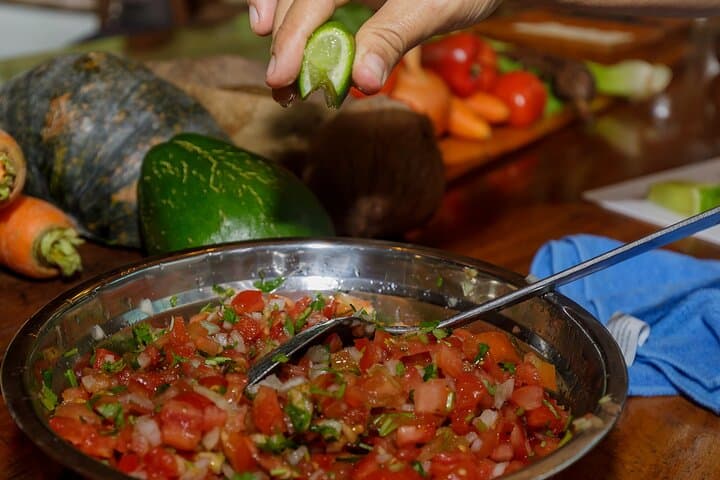
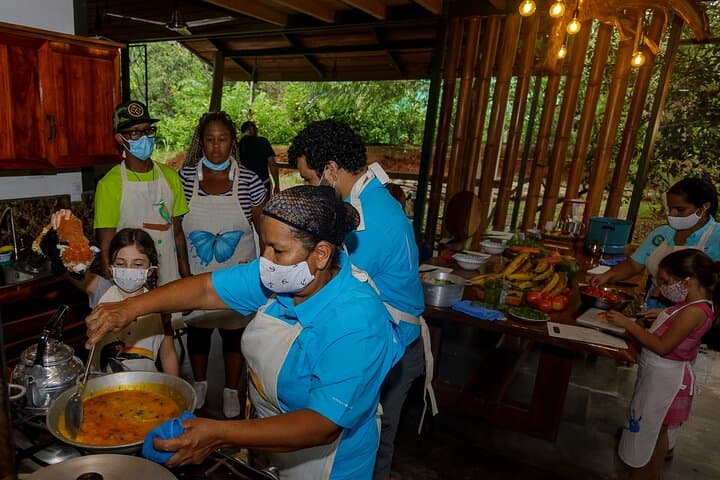
Expect a mix of slow walking and standing demonstration: guides point out plant uses, demonstrate vanilla curing or cacao processing, then lead the cooking segment where you chop, season, and plate under local direction.
Practical guidance: bring closed-toe shoes for garden paths, sun protection for short outdoor stretches, and inform the host of allergies in advance (the class handles dietary needs). The program is suitable for families and is wheelchair-accessible in key areas; transport and coffee tasting are usually included. Arrive curious and hungry — you’ll leave with new techniques, a fuller understanding of medicinal and food plants, and a hearty local lunch.
easy.
2 hours.
Light activity: able to stand for demonstrations and walk short, mostly flat garden paths.
Yes—families are welcome; the activity includes a short garden walk and a kitchen class suitable for older children, and infant seats are available for transport.
Yes—operators request dietary information at booking and can adapt the casado or offer vegan options when informed in advance.
An air-conditioned vehicle is listed as an inclusion; confirm your pickup point when booking to ensure availability.
The listing notes wheelchair accessibility for key areas, but some garden paths may be compacted soil—notify the operator to confirm specific access needs.
Local cooking and plant use reflect indigenous and coastal farm traditions; casado evolved as a practical, balanced midday meal for working families.
Plants are cultivated with attention to native species and sustainable harvesting; visitors are asked not to pick specimens and to follow Leave No Trace principles.
Chocolate Tour Manuel Antonio operates guided outdoor trips and adventures with an emphasis on safety, stewardship, and memorable experiences.
Morning light filters through the garden’s broad leaves as an air-conditioned van eases up a dirt drive and you step into a hum of insects and citrus-sweet air.
Morning light filters through the garden’s broad leaves as an air-conditioned van eases up a dirt drive and you step into a hum of insects and citrus-sweet air.
This two-hour experience in the Manuel Antonio/Quepos area pairs a hands-on cooking class with a walk through botanical plots — vanilla vines winding on supports, cacao pods bright against glossy foliage, and a carefully labeled medical plants garden where local remedies are explained in plain language. The tour finishes in a family kitchen where you learn to build a classic casado, tasting coffee and sampling sugarcane at a small mill along the way.
Geologically, the coast here is low-lying Pacific foothills with rich, volcanic-derived soils that support tropical crops. Culturally, the meal and plants reflect a blend of indigenous knowledge and Costa Rican coastal cuisine: simple, seasonal, and built around rice, beans, plantains, and fresh produce.
Expect a mix of slow walking and standing demonstration: guides point out plant uses, demonstrate vanilla curing or cacao processing, then lead the cooking segment where you chop, season, and plate under local direction.
Practical guidance: bring closed-toe shoes for garden paths, sun protection for short outdoor stretches, and inform the host of allergies in advance (the class handles dietary needs). The program is suitable for families and is wheelchair-accessible in key areas; transport and coffee tasting are usually included. Arrive curious and hungry — you’ll leave with new techniques, a fuller understanding of medicinal and food plants, and a hearty local lunch.