THE ADVENTURE COLLECTIVE® · Independent discovery and booking for outdoor travel

Spend three hours at a working cacao plantation near Manuel Antonio where you’ll taste chocolate from bean to bar, tour a medicinal plant garden and enjoy a traditional casado lunch. Family-friendly and weather-tolerant, the tour includes transport, bilingual guides and tastings.
Spend three hours at a working cacao plantation near Manuel Antonio where you’ll taste chocolate from bean to bar, tour a medicinal plant garden and enjoy a traditional casado lunch. Family-friendly and weather-tolerant, the tour includes transport, bilingual guides and tastings.
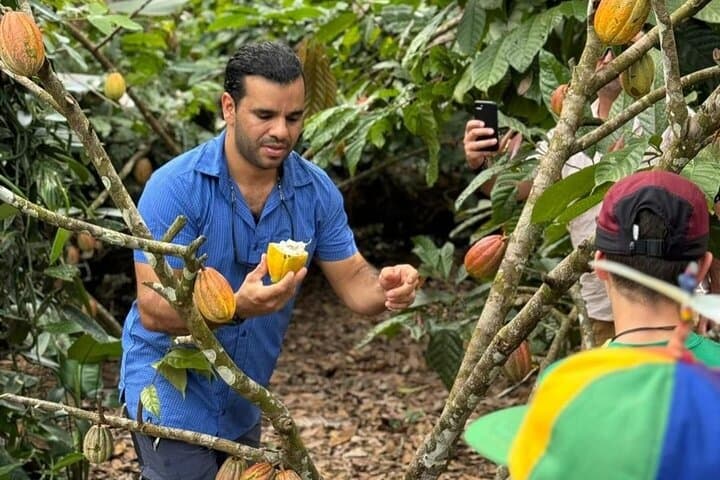
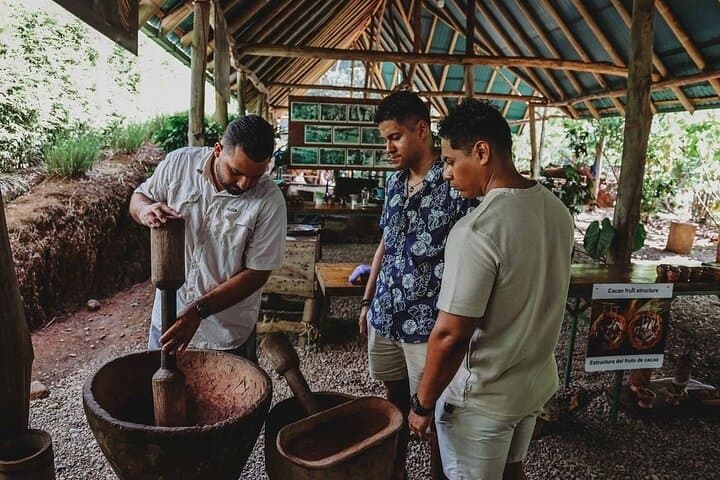
You step off the van into humid air scented with cut grass and warm cacao—leaves overhead whisper like a crowd approving your arrival. The farm lies a short drive from Quepos, where the Pacific’s breeze gives way to plantation tracks and the faint clatter of a trapiche (sugarcane mill). Guides lead small groups across soils that once fed pre-Columbian communities, showing trees heavy with pods and toasted beans that crack like small firewood.
Verified experiences and guided adventures in the surrounding area.
Operated by Terra Travel Costa Rica · Quepos, Puntarenas
You step off the van into humid air scented with cut grass and warm cacao—leaves overhead whisper like a crowd approving your arrival. The farm lies a short drive from Quepos, where the Pacific’s breeze gives way to plantation tracks and the faint clatter of a trapiche (sugarcane mill). Guides lead small groups across soils that once fed pre-Columbian communities, showing trees heavy with pods and toasted beans that crack like small firewood.
Cacao has been part of Costa Rica’s central Pacific culture for centuries, moved by waves of smallholders and the salt of the sea. Geologically the area sits on volcanic soils and alluvial terraces, which give cacao a densely flavored profile. Cultural notes along the way include medicinal plants used in local healing, vanilla vines curled on trellises, and demonstrations of sugarcane processing that recall old finca routines.
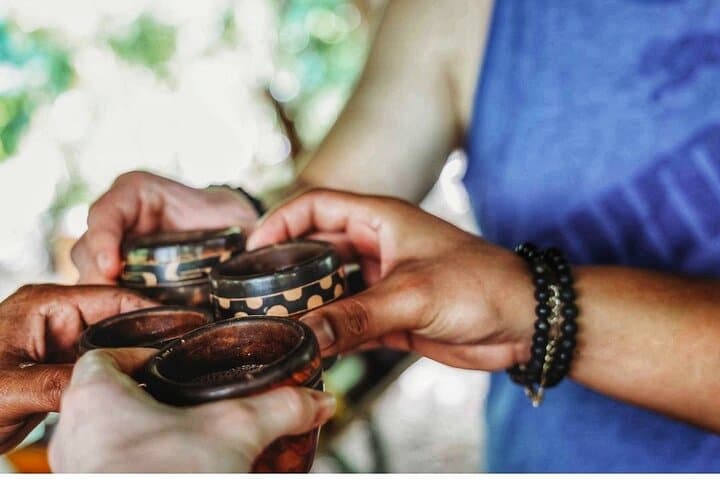
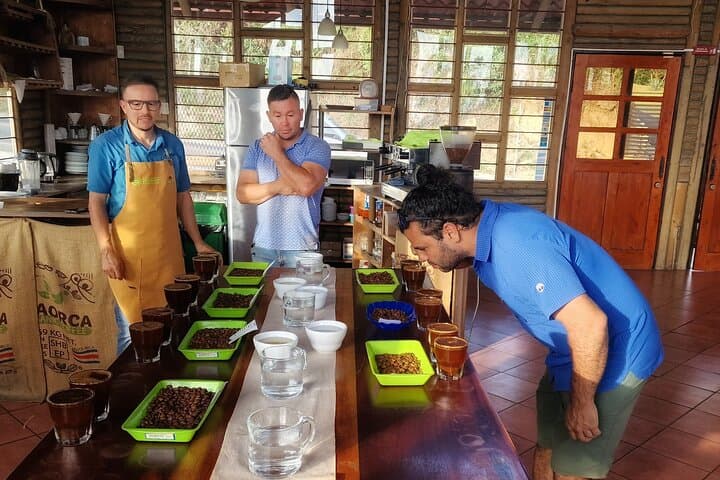
The experience is sensory: the bitter-sweet inhale of roasted nibs, the sticky tooth of caramelized beans, and a typical casado lunch featuring rice, beans, handmade tortilla and choice of protein. Wildlife often keeps time at the edges—monkeys scanning the canopy, toucans calling—and guides explain sustainable growing practices and fair harvest methods.
Practical guidance: wear closed-toe shoes and expect uneven dirt paths; bring insect repellent and sun protection even on overcast days. The tour lasts about three hours with light walking and plenty of shade stops. Water is provided, but bring a refillable bottle. This is a family-friendly, weather-tolerant activity that blends hands-on learning with a satisfying local meal.
easy.
3 hours.
Light walking on mostly flat to gently rolling plantation tracks; suitable for families and casual walkers
Yes—round-trip transportation from Manuel Antonio/Quepos is included as part of the premium tour.
Yes—the tour is family-friendly and stroller accessible on most paths; infant seats are available in the vehicle.
A traditional Costa Rican casado with rice, beans, vegetables, handmade tortilla, tropical juice and a choice of beef, pork, chicken or fish.
Bilingual guides are provided, typically in Spanish and English to accommodate international guests.
Cacao cultivation in Costa Rica dates to indigenous use and expanded during colonial and post-colonial agrarian shifts; the trapiche reflects sugarcane’s role in local foodways.
The farm emphasizes sustainable practices—shade-grown cacao and minimal agrochemical use—and visitors are asked not to feed wildlife and to stick to marked paths.
Terra Travel Costa Rica operates guided outdoor trips and adventures with an emphasis on safety, stewardship, and memorable experiences.
You step off the van into humid air scented with cut grass and warm cacao—leaves overhead whisper like a crowd approving your arrival. The farm lies a short drive from Quepos, where the Pacific’s breeze gives way to plantation tracks and the faint clatter of a trapiche (sugarcane mill). Guides lead small groups across soils that once fed pre-Columbian communities, showing trees heavy with pods and toasted beans that crack like small firewood.
You step off the van into humid air scented with cut grass and warm cacao—leaves overhead whisper like a crowd approving your arrival. The farm lies a short drive from Quepos, where the Pacific’s breeze gives way to plantation tracks and the faint clatter of a trapiche (sugarcane mill). Guides lead small groups across soils that once fed pre-Columbian communities, showing trees heavy with pods and toasted beans that crack like small firewood.
Cacao has been part of Costa Rica’s central Pacific culture for centuries, moved by waves of smallholders and the salt of the sea. Geologically the area sits on volcanic soils and alluvial terraces, which give cacao a densely flavored profile. Cultural notes along the way include medicinal plants used in local healing, vanilla vines curled on trellises, and demonstrations of sugarcane processing that recall old finca routines.
The experience is sensory: the bitter-sweet inhale of roasted nibs, the sticky tooth of caramelized beans, and a typical casado lunch featuring rice, beans, handmade tortilla and choice of protein. Wildlife often keeps time at the edges—monkeys scanning the canopy, toucans calling—and guides explain sustainable growing practices and fair harvest methods.
Practical guidance: wear closed-toe shoes and expect uneven dirt paths; bring insect repellent and sun protection even on overcast days. The tour lasts about three hours with light walking and plenty of shade stops. Water is provided, but bring a refillable bottle. This is a family-friendly, weather-tolerant activity that blends hands-on learning with a satisfying local meal.