THE ADVENTURE COLLECTIVE® · Independent discovery and booking for outdoor travel

Taste Costa Rica’s three agricultural pillars—cacao, coffee and sugarcane—on a two-hour, hands-on farm tour near Manuel Antonio. Learn fermentation, try Café-Chorreado, see a working trapiche and sample fresh chocolate and candy.
Taste Costa Rica’s three agricultural pillars—cacao, coffee and sugarcane—on a two-hour, hands-on farm tour near Manuel Antonio. Learn fermentation, try Café-Chorreado, see a working trapiche and sample fresh chocolate and candy.
The path opens under a humid canopy; leaves glisten and the air is heavy with the bittersweet scent of roasting cacao and fresh coffee. You follow a narrow farm track past rows of cacao pods—yellow, red and marbled—where guides break open beans and invite you to smell the fermenting fruit, the raw beginning of chocolate.
Verified experiences and guided adventures in the surrounding area.
Operated by Jungle Night Tour Manuel Antonio · Manuel Antonio, Puntarenas
The path opens under a humid canopy; leaves glisten and the air is heavy with the bittersweet scent of roasting cacao and fresh coffee. You follow a narrow farm track past rows of cacao pods—yellow, red and marbled—where guides break open beans and invite you to smell the fermenting fruit, the raw beginning of chocolate.
Cacao and coffee shaped Costa Rica’s rural economy from the 18th century onward. On this two-hour farm tour near Manuel Antonio, the story moves from pre-Columbian use of cacao as ceremonial drink to modern smallholder fermentation techniques. The land is low-elevation coastal rainforest: red clay soils and volcanic sands that give coffee and sugar cane distinct flavors. You’ll see a functioning trapiche—an old-style sugarcane press—turning stalks into juice and, moments later, local candy.
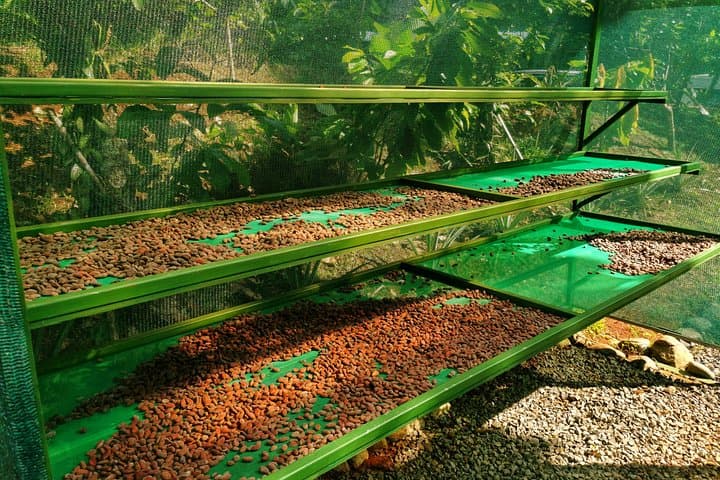
Cultural notes surface in practical demonstrations: how to prepare Café-Chorreado by hand, the stages of cacao fermentation and grinding, and a new medicinal-plant garden that frames traditional remedies. Along the way expect hands-on tasting: multiple chocolate samples, brewed coffee, and sugarcane treats.
Practical guidance: the tour is roughly 2 hours with light walking on uneven, sometimes muddy trails and multiple standing demos. Wear closed-toe shoes and bring insect repellent and a refillable water bottle. Mornings are cooler and drier; midday brings humidity and more active insects. If driving, follow local signs to the farm and allow time for narrow roads and limited parking. The experience is family-friendly and best appreciated with comfortable footwear, modest sun protection, and a curiosity for how a pod becomes the chocolate bar in your pack.
easy.
2 hours.
Light walking and standing; appropriate for most fitness levels with ability to navigate short uneven sections
The tour lasts approximately two hours and includes guided demonstrations of cacao processing, coffee preparation, a trapiche demo, entrance fees, and multiple samples of chocolate, coffee and sugarcane candy.
Yes—families are welcome and the exhibit areas and tastings are kid-friendly; expect some standing and short walks on farm paths.
The site allows strollers in some areas but has uneven surfaces and steps; contact the operator ahead of booking for specific accessibility needs.
Yes—this listing is for self-drivers without lunch; allow extra time for narrow access roads and limited on-site parking.
Cacao and coffee have been central to Costa Rica’s rural development; cacao was used pre-Columbianly and coffee exports shaped the 19th–20th century economy in Puntarenas province.
Small farms here often practice shade-grown coffee and sustainable cacao fermentation—supporting local producers helps preserve agroforestry patches that retain wildlife habitat.
Jungle Night Tour Manuel Antonio operates guided outdoor trips and adventures with an emphasis on safety, stewardship, and memorable experiences.
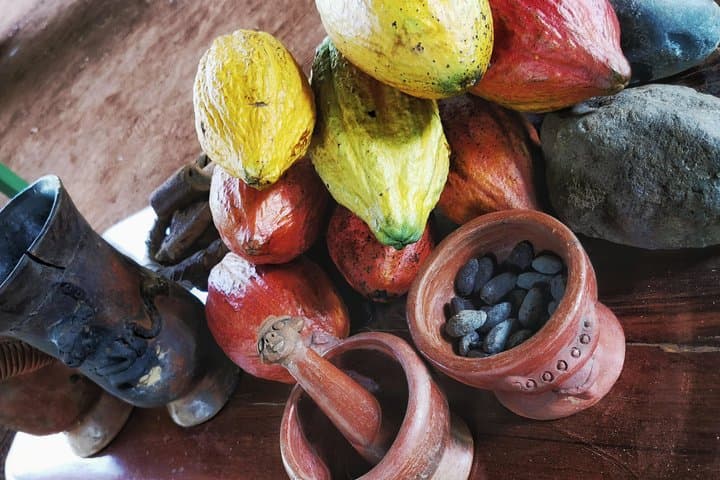
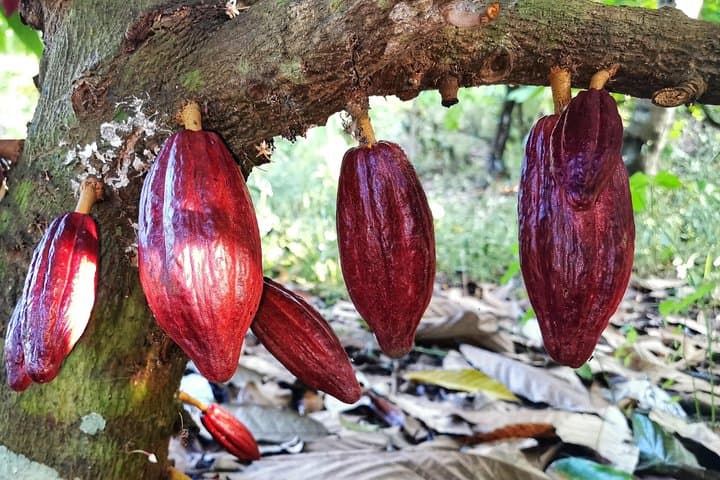
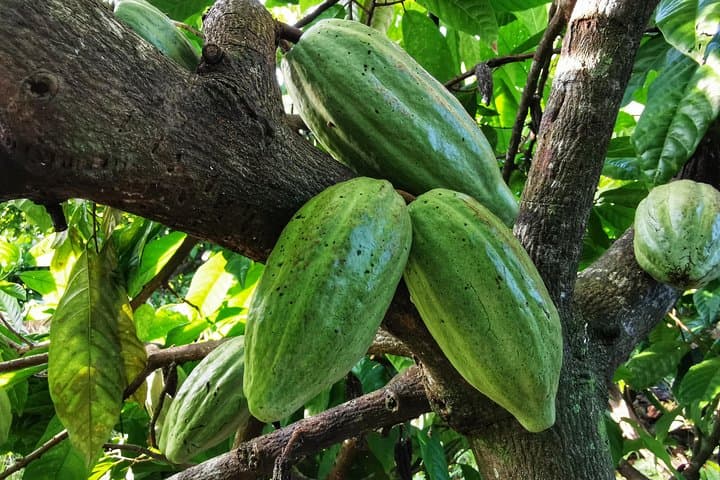
The path opens under a humid canopy; leaves glisten and the air is heavy with the bittersweet scent of roasting cacao and fresh coffee. You follow a narrow farm track past rows of cacao pods—yellow, red and marbled—where guides break open beans and invite you to smell the fermenting fruit, the raw beginning of chocolate.
The path opens under a humid canopy; leaves glisten and the air is heavy with the bittersweet scent of roasting cacao and fresh coffee. You follow a narrow farm track past rows of cacao pods—yellow, red and marbled—where guides break open beans and invite you to smell the fermenting fruit, the raw beginning of chocolate.
Cacao and coffee shaped Costa Rica’s rural economy from the 18th century onward. On this two-hour farm tour near Manuel Antonio, the story moves from pre-Columbian use of cacao as ceremonial drink to modern smallholder fermentation techniques. The land is low-elevation coastal rainforest: red clay soils and volcanic sands that give coffee and sugar cane distinct flavors. You’ll see a functioning trapiche—an old-style sugarcane press—turning stalks into juice and, moments later, local candy.
Cultural notes surface in practical demonstrations: how to prepare Café-Chorreado by hand, the stages of cacao fermentation and grinding, and a new medicinal-plant garden that frames traditional remedies. Along the way expect hands-on tasting: multiple chocolate samples, brewed coffee, and sugarcane treats.
Practical guidance: the tour is roughly 2 hours with light walking on uneven, sometimes muddy trails and multiple standing demos. Wear closed-toe shoes and bring insect repellent and a refillable water bottle. Mornings are cooler and drier; midday brings humidity and more active insects. If driving, follow local signs to the farm and allow time for narrow roads and limited parking. The experience is family-friendly and best appreciated with comfortable footwear, modest sun protection, and a curiosity for how a pod becomes the chocolate bar in your pack.