THE ADVENTURE COLLECTIVE® · Independent discovery and booking for outdoor travel

Combine hands-on cacao history with a guided nocturnal rainforest walk near Manuel Antonio. Learn chocolate’s traditional processes by day and search for tree frogs, insects and shy mammals by night.
Combine hands-on cacao history with a guided nocturnal rainforest walk near Manuel Antonio. Learn chocolate’s traditional processes by day and search for tree frogs, insects and shy mammals by night.
At dusk along the Pacific lowland, the rainforest shifts its mood: leaves quiet, frogs blink like green lanterns, and the trail hums with insect percussion. On this combo—you begin in daylight at a cacao plantation and end after dark following a guide into the jungle—each phase pulls a different rhythm from the same place.
Verified experiences and guided adventures in the surrounding area.
Operated by Chocolate Tour Manuel Antonio · Quepos, Puntarenas
At dusk along the Pacific lowland, the rainforest shifts its mood: leaves quiet, frogs blink like green lanterns, and the trail hums with insect percussion. On this combo—you begin in daylight at a cacao plantation and end after dark following a guide into the jungle—each phase pulls a different rhythm from the same place.
The chocolate segment traces cacao’s arc from seed to bar and connects local agrohistory to broader Costa Rican culture: small-scale farms, traditional trapiche milling and the fusion of coffee and cacao in local cuisine. Geologically the Manuel Antonio/Quepos coast is a narrow Pacific plain where sedimentary soils and nearby volcanic ranges feed rich, fast-draining ground—ideal for rainforest growth and the insects and amphibians that thrive here.
As night falls the ecosystem flips: tree frogs sing, nocturnal mammals move quietly, and snakes and beetles appear in the leaf litter. A guided walk reveals behaviors and microhabitats you’d miss by daylight; guides use red-filtered lights to reduce disturbance while pointing out frog species, nocturnal insects and sleeping birds.
Practical guidance: the full experience runs roughly 6–8 hours and usually includes hotel pickup in Quepos/Manuel Antonio. Trails can be muddy and uneven—sturdy closed-toe shoes, a lightweight rain jacket, insect repellent and a reliable flashlight or headlamp are necessary. Bring water, expect humidity, and be prepared for sudden showers in the wet season. Respect wildlife distances, follow your guide’s instructions, and keep noise low to maximize sightings. This combo balances cultural learning with wildlife observation—ideal for travelers who want hands-on food history and the thrill of the rainforest after dark.
easy.
6–8 hours.
Suitable for most fitness levels; expect short uphill sections and uneven paths—basic mobility and stamina for a multi-hour outing recommended.
Most operators include pickup from Quepos and Manuel Antonio hotels—confirm your pickup point at booking and allow time for nearby stops.
The combined chocolate and jungle night tour typically lasts about 6–8 hours from pickup to drop-off.
Yes—operators note it’s family-friendly and offer infant seats; however, night walks can be challenging for very young children due to terrain and noise sensitivity.
Night walks and outdoor portions may be altered or postponed in heavy rain for safety; confirm cancellation or rescheduling policies when booking.
Cacao has been used regionally since pre-Columbian times; modern small-scale farms and trapiche milling preserve traditional processing techniques in Costa Rica’s Pacific lowlands.
Stay on trails, avoid flash photography at wildlife, and support operators who follow leave-no-trace practices and contribute to local conservation efforts.
Chocolate Tour Manuel Antonio operates guided outdoor trips and adventures with an emphasis on safety, stewardship, and memorable experiences.
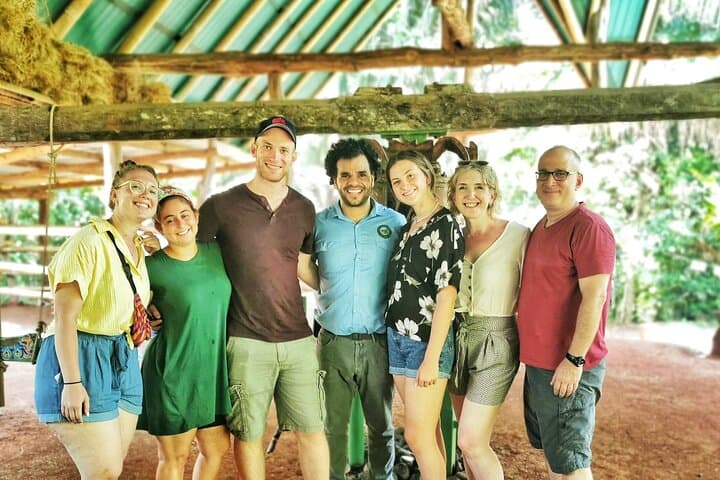


At dusk along the Pacific lowland, the rainforest shifts its mood: leaves quiet, frogs blink like green lanterns, and the trail hums with insect percussion. On this combo—you begin in daylight at a cacao plantation and end after dark following a guide into the jungle—each phase pulls a different rhythm from the same place.
At dusk along the Pacific lowland, the rainforest shifts its mood: leaves quiet, frogs blink like green lanterns, and the trail hums with insect percussion. On this combo—you begin in daylight at a cacao plantation and end after dark following a guide into the jungle—each phase pulls a different rhythm from the same place.
The chocolate segment traces cacao’s arc from seed to bar and connects local agrohistory to broader Costa Rican culture: small-scale farms, traditional trapiche milling and the fusion of coffee and cacao in local cuisine. Geologically the Manuel Antonio/Quepos coast is a narrow Pacific plain where sedimentary soils and nearby volcanic ranges feed rich, fast-draining ground—ideal for rainforest growth and the insects and amphibians that thrive here.
As night falls the ecosystem flips: tree frogs sing, nocturnal mammals move quietly, and snakes and beetles appear in the leaf litter. A guided walk reveals behaviors and microhabitats you’d miss by daylight; guides use red-filtered lights to reduce disturbance while pointing out frog species, nocturnal insects and sleeping birds.
Practical guidance: the full experience runs roughly 6–8 hours and usually includes hotel pickup in Quepos/Manuel Antonio. Trails can be muddy and uneven—sturdy closed-toe shoes, a lightweight rain jacket, insect repellent and a reliable flashlight or headlamp are necessary. Bring water, expect humidity, and be prepared for sudden showers in the wet season. Respect wildlife distances, follow your guide’s instructions, and keep noise low to maximize sightings. This combo balances cultural learning with wildlife observation—ideal for travelers who want hands-on food history and the thrill of the rainforest after dark.