THE ADVENTURE COLLECTIVE® · Independent discovery and booking for outdoor travel

Taste cacao, brew coffee, and watch sugar cane pressed in a private jungle preserve near Manuel Antonio. This 2–3 hour guided tour blends botany, history, and lively wildlife sightings while offering hands-on demonstrations and local flavors.
Taste cacao, brew coffee, and watch sugar cane pressed in a private jungle preserve near Manuel Antonio. This 2–3 hour guided tour blends botany, history, and lively wildlife sightings while offering hands-on demonstrations and local flavors.
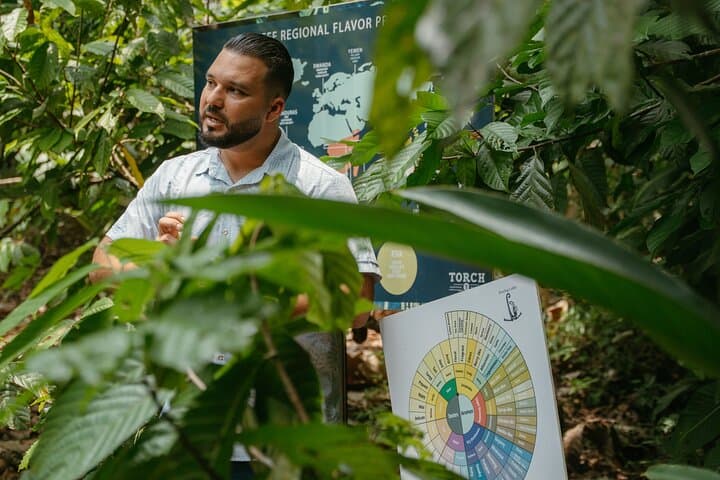
You step off the van into humid air thick with leaf mold and citrus from flowering cacao trees. Monkeys chatter beyond the path and a guide invites you through the private jungle preserve, where narrow trails thread between cacao groves, coffee shrubs, and a small trapiche crushing fresh sugar cane.
Verified experiences and guided adventures in the surrounding area.
Operated by Jungle Night Tour Manuel Antonio · Manuel Antonio, Puntarenas
You step off the van into humid air thick with leaf mold and citrus from flowering cacao trees. Monkeys chatter beyond the path and a guide invites you through the private jungle preserve, where narrow trails thread between cacao groves, coffee shrubs, and a small trapiche crushing fresh sugar cane.
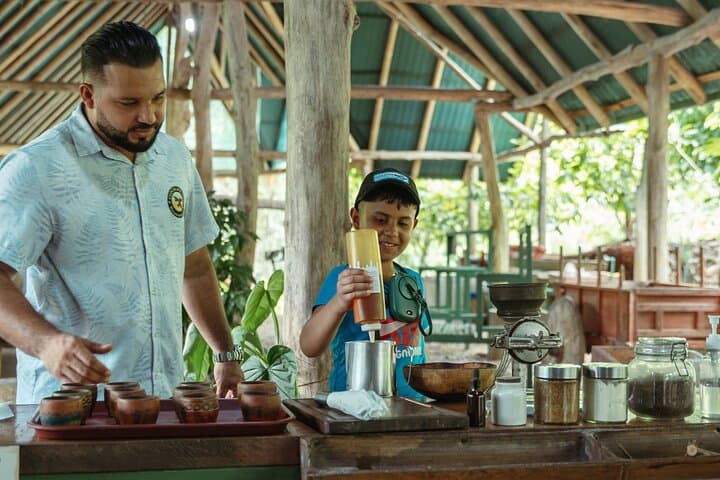
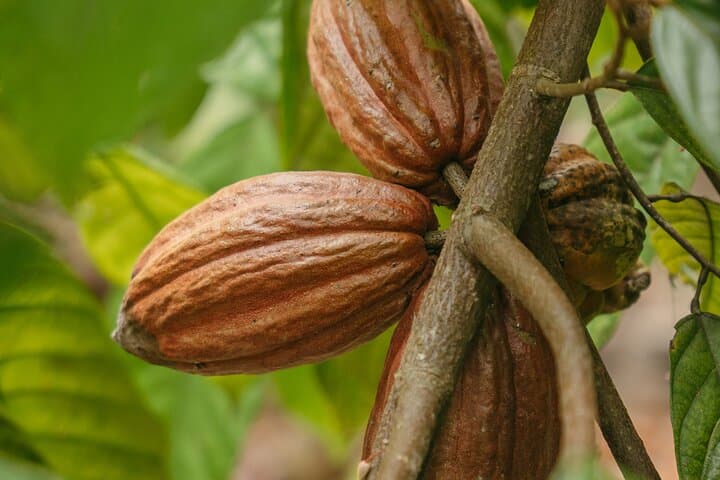
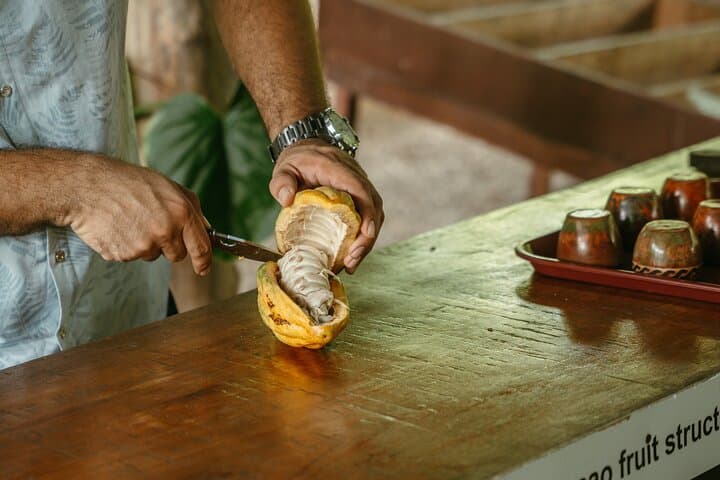
The tour ties together three local traditions. Cacao here is traced back to pre-Columbian Mesoamerica — guides explain fermentation and roasting that turn bitter beans into a thick hot chocolate. Coffee talk moves from plant to cup: you’ll see coffee cherries on the bush, learn about drying and roasting, and brew a traditional chorreado by hand. At the trapiche (a wooden press), raw cane becomes agua de sapo, a bright, ginger-sweet drink that speaks to rural sugarcane culture.
Geology and climate shape this place: coastal lowland rainforest on volcanic soils feeds rich plant growth and a high density of pollinators. Expect close wildlife encounters — sloths and white-faced capuchins are common near the trails — and lots of interpretive stops that mix botany with culinary history.
Practical guide: the full experience runs about 2–3 hours with light walking on uneven, sometimes muddy trails; comfortable closed-toe shoes and insect repellent are strongly recommended. Tours typically include bilingual guides, tastings, and air-conditioned transport from Manuel Antonio or Quepos. Morning slots give cooler temperatures and more bird activity; bring water, a camera with a zoom lens, and a lightweight rain layer during the wet months.
moderate.
2–3 hours.
Light to moderate fitness: short walks on uneven, sometimes muddy trails; suitable for most active travelers.
Most bookings include round-trip transport from Manuel Antonio or Quepos in an air-conditioned vehicle; confirm your pickup point when booking.
Yes—children can enjoy tastings and demonstrations; infants must sit on laps but infant seats are available on request.
The tour involves short walks on mostly flat, sometimes muddy trails and is suitable for people who can walk 1–2 kilometers at a gentle pace.
Guides can usually note common allergies, but notify the operator in advance for specific dietary needs—tastings may contain nuts or dairy.
Cacao and coffee have long economic and cultural roles in Costa Rica: cacao was used regionally before European contact, and coffee shaped 19th-century land use and export economy.
The private preserve supports habitat protection near Manuel Antonio; visitors should avoid feeding wildlife, stay on trails, and pack out any trash to reduce human impact.
Jungle Night Tour Manuel Antonio operates guided outdoor trips and adventures with an emphasis on safety, stewardship, and memorable experiences.
You step off the van into humid air thick with leaf mold and citrus from flowering cacao trees. Monkeys chatter beyond the path and a guide invites you through the private jungle preserve, where narrow trails thread between cacao groves, coffee shrubs, and a small trapiche crushing fresh sugar cane.
You step off the van into humid air thick with leaf mold and citrus from flowering cacao trees. Monkeys chatter beyond the path and a guide invites you through the private jungle preserve, where narrow trails thread between cacao groves, coffee shrubs, and a small trapiche crushing fresh sugar cane.
The tour ties together three local traditions. Cacao here is traced back to pre-Columbian Mesoamerica — guides explain fermentation and roasting that turn bitter beans into a thick hot chocolate. Coffee talk moves from plant to cup: you’ll see coffee cherries on the bush, learn about drying and roasting, and brew a traditional chorreado by hand. At the trapiche (a wooden press), raw cane becomes agua de sapo, a bright, ginger-sweet drink that speaks to rural sugarcane culture.
Geology and climate shape this place: coastal lowland rainforest on volcanic soils feeds rich plant growth and a high density of pollinators. Expect close wildlife encounters — sloths and white-faced capuchins are common near the trails — and lots of interpretive stops that mix botany with culinary history.
Practical guide: the full experience runs about 2–3 hours with light walking on uneven, sometimes muddy trails; comfortable closed-toe shoes and insect repellent are strongly recommended. Tours typically include bilingual guides, tastings, and air-conditioned transport from Manuel Antonio or Quepos. Morning slots give cooler temperatures and more bird activity; bring water, a camera with a zoom lens, and a lightweight rain layer during the wet months.