THE ADVENTURE COLLECTIVE® · Independent discovery and booking for outdoor travel

Spend two hours tasting and making chocolate, learning coffee processing and watching a traditional trapiche grind sugarcane near Manuel Antonio. This hands-on tour mixes agricultural science, local history and edible samples with included transport and bilingual guiding.
Spend two hours tasting and making chocolate, learning coffee processing and watching a traditional trapiche grind sugarcane near Manuel Antonio. This hands-on tour mixes agricultural science, local history and edible samples with included transport and bilingual guiding.
Morning humidity clings to the leaves as you step off the air-conditioned van and into a small working plantation where cacao pods hang heavy and the smell of roasted beans hints at what’s to come. The guide—bilingual and conversational—leads a short walk through shaded rows to a demonstration area where fermentation boxes, mortar-and-pestle stations and a rustic trapiche wait for hands-on learning.
Verified experiences and guided adventures in the surrounding area.
Operated by Chocolate Tour Manuel Antonio · Manuel Antonio, Puntarenas
Morning humidity clings to the leaves as you step off the air-conditioned van and into a small working plantation where cacao pods hang heavy and the smell of roasted beans hints at what’s to come. The guide—bilingual and conversational—leads a short walk through shaded rows to a demonstration area where fermentation boxes, mortar-and-pestle stations and a rustic trapiche wait for hands-on learning.
The program moves with purpose: the natural history of Theobroma cacao and its Central American roots, the chemistry of fermentation and drying, then the old-school mechanics of grinding into drinking chocolate. Coffee follows as a parallel story—plants, picking tools in the showroom and a live demo of café chorreado—linking crop ecology to Costa Rica’s export economy. A new medicinal plants garden explains local uses and offers a quieter, aromatic counterpoint to cocoa’s sweetness.
Geology here matters: volcanic soils and Pacific-driven rainfall shape both cacao and coffee quality, while the lowland forest filters sound so the trapiche’s rhythm feels amplified. Cultural notes include the role of smallholders and artisanal candy-making from sugarcane juice.
Practicalities: the tour runs about two hours, includes bilingual guiding, water and multiple samplings, and door-to-door transport. It’s largely flat and stroller-accessible, so fitness demands are minimal. Bring insect repellent, sun protection and a small amount of cash for extra treats. Expect hands-on demonstrations rather than long hikes—this is sensory fieldwork in a tropical garden more than a wilderness expedition.
easy.
2 hours.
Suitable for all fitness levels; mostly stationary demonstrations with short, flat walks; stroller- and family-friendly.
Yes—round-trip air-conditioned transport is included; you'll be asked to specify pickup point during booking.
Chocolate and coffee samplings and water are included, but lunch and additional snacks or packaged products may cost extra.
Yes—the tour is marked stroller-accessible and family-friendly, with simple, hands-on demonstrations appropriate for kids.
Inform the operator at booking about allergies or dietary needs; most tastings are small and staff can advise on ingredients.
Cacao and coffee shaped Costa Rica’s colonial and export economies; smallholder techniques and trapiche milling reflect generations of local, rural practice.
Operators often work with shade-grown practices that preserve canopy cover; visitors can support sustainable farmers by buying directly from producers.
Chocolate Tour Manuel Antonio operates guided outdoor trips and adventures with an emphasis on safety, stewardship, and memorable experiences.
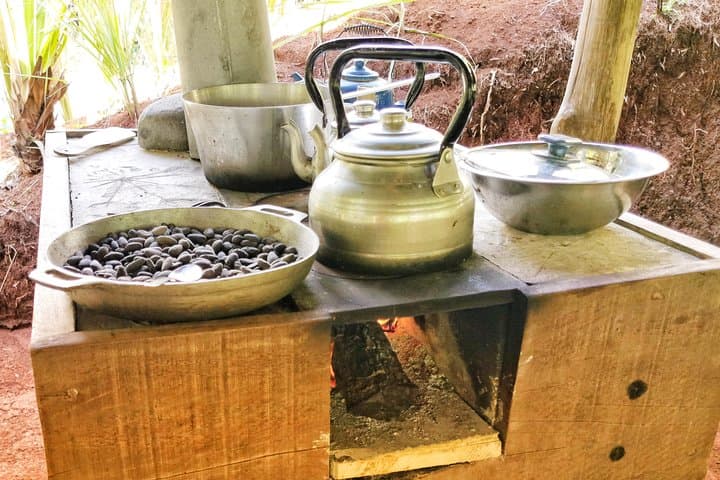
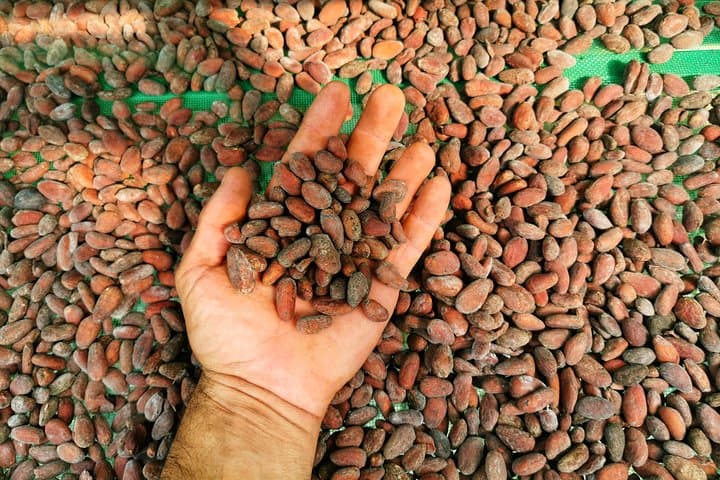
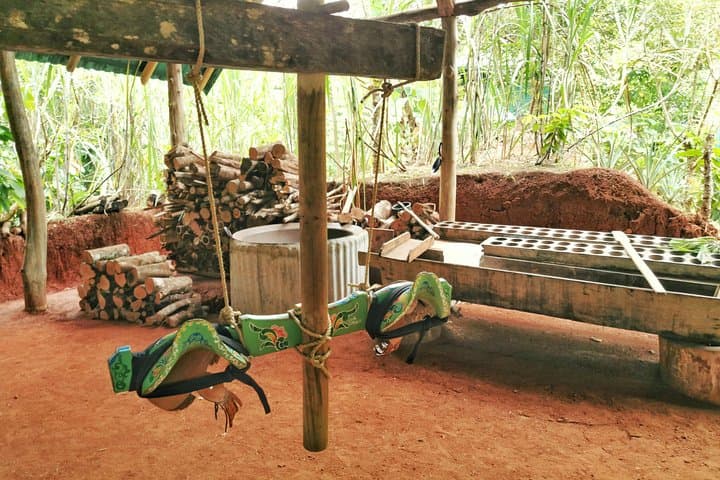

Morning humidity clings to the leaves as you step off the air-conditioned van and into a small working plantation where cacao pods hang heavy and the smell of roasted beans hints at what’s to come. The guide—bilingual and conversational—leads a short walk through shaded rows to a demonstration area where fermentation boxes, mortar-and-pestle stations and a rustic trapiche wait for hands-on learning.
Morning humidity clings to the leaves as you step off the air-conditioned van and into a small working plantation where cacao pods hang heavy and the smell of roasted beans hints at what’s to come. The guide—bilingual and conversational—leads a short walk through shaded rows to a demonstration area where fermentation boxes, mortar-and-pestle stations and a rustic trapiche wait for hands-on learning.
The program moves with purpose: the natural history of Theobroma cacao and its Central American roots, the chemistry of fermentation and drying, then the old-school mechanics of grinding into drinking chocolate. Coffee follows as a parallel story—plants, picking tools in the showroom and a live demo of café chorreado—linking crop ecology to Costa Rica’s export economy. A new medicinal plants garden explains local uses and offers a quieter, aromatic counterpoint to cocoa’s sweetness.
Geology here matters: volcanic soils and Pacific-driven rainfall shape both cacao and coffee quality, while the lowland forest filters sound so the trapiche’s rhythm feels amplified. Cultural notes include the role of smallholders and artisanal candy-making from sugarcane juice.
Practicalities: the tour runs about two hours, includes bilingual guiding, water and multiple samplings, and door-to-door transport. It’s largely flat and stroller-accessible, so fitness demands are minimal. Bring insect repellent, sun protection and a small amount of cash for extra treats. Expect hands-on demonstrations rather than long hikes—this is sensory fieldwork in a tropical garden more than a wilderness expedition.