THE ADVENTURE COLLECTIVE® · Independent discovery and booking for outdoor travel

Taste Costa Rica’s chocolate and coffee traditions in a compact, two-hour tour near Manuel Antonio. Learn processing techniques, sample fresh-roasted coffee and chocolate, and watch sugar cane pressed at a working trapiche.
Taste Costa Rica’s chocolate and coffee traditions in a compact, two-hour tour near Manuel Antonio. Learn processing techniques, sample fresh-roasted coffee and chocolate, and watch sugar cane pressed at a working trapiche.
You step off the road into a humid courtyard where cacao pods hang like rough-skinned lanterns and the air tastes faintly of sugar cane. Ten minutes from Quepos and Manuel Antonio’s beaches, the tour moves at a human pace: hands-on demonstrations, roasted coffee aroma, and the unexpected tang of freshly pressed cane.
Verified experiences and guided adventures in the surrounding area.
Operated by Cooking Class Manuel Antonio · Quepos, Puntarenas
You step off the road into a humid courtyard where cacao pods hang like rough-skinned lanterns and the air tastes faintly of sugar cane. Ten minutes from Quepos and Manuel Antonio’s beaches, the tour moves at a human pace: hands-on demonstrations, roasted coffee aroma, and the unexpected tang of freshly pressed cane.
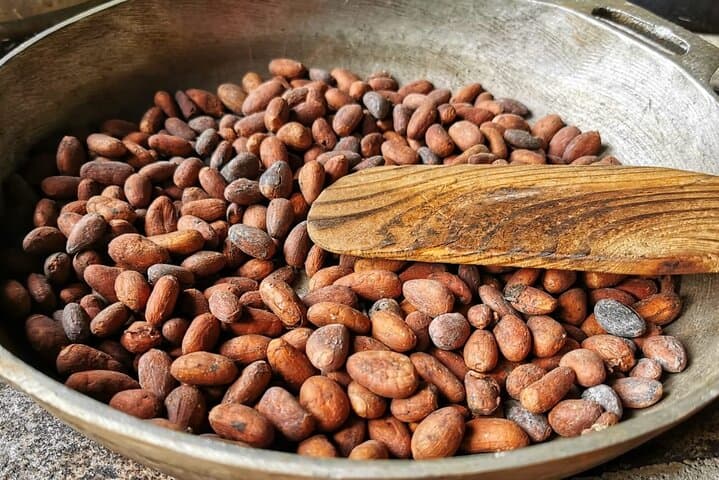
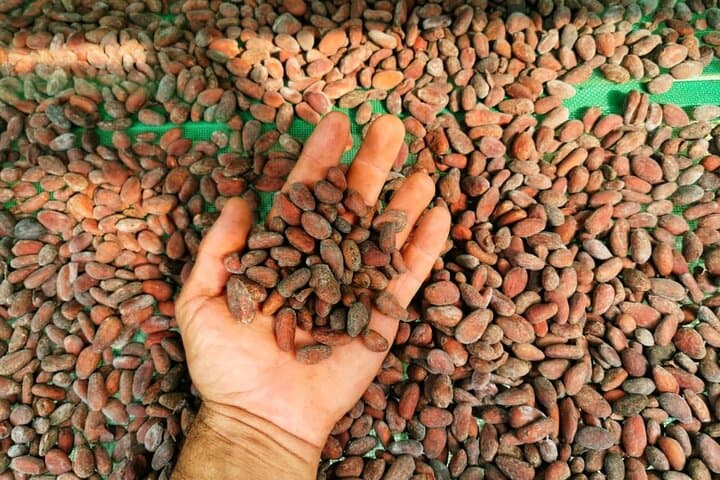
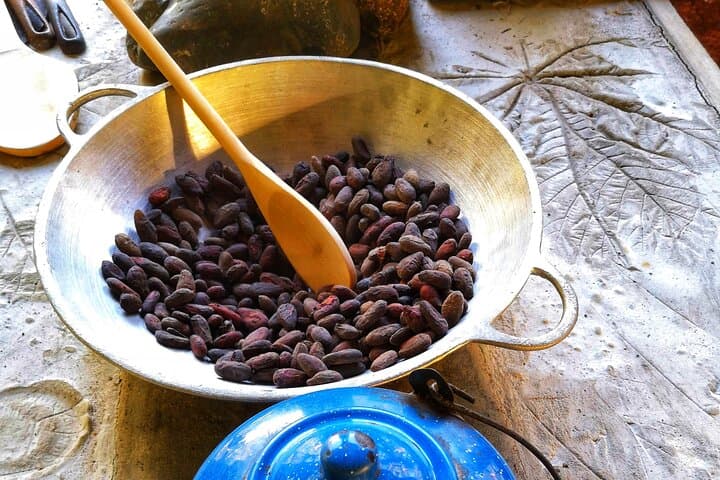
The experience opens with cultural context — cacao’s role in pre-Columbian Central America and coffee’s rise as Costa Rica’s export engine. Guides trace the beans from harvest and fermentation through traditional grinding methods; you’ll see a trapiche in motion, a simple mill that presses cane into a bright, sweet juice used across local communities.
Geology and climate matter here: the warm, humid Pacific slope and volcanic soils support cacao and coffee alike, producing the aromatic oils you taste during samplings. A small medicinal-plant garden highlights local ethnobotany and the ways communities use shade trees to protect crops and biodiversity.
Practical guidance: the two-hour visit is compact and accessible — stroller-friendly and suitable for all fitness levels. Expect standing demos, sampling stations for chocolate and coffee, and a short walkthrough of the processing exhibits and instruments. Bring sun protection and a reusable bottle; sessions may run outdoors under shade structures during the dry season and move briefly indoors if it rains.
Timing matters: arrive early to avoid midday heat and join smaller groups. The tour is bilingual and geared toward curious travelers who want hands-on tasting and clear explanations rather than long walks or heavy lifting.
easy.
2 hours.
Suitable for all fitness levels; mostly standing and short walking on flat ground.
Yes — chocolate samplings, coffee tastings, and a sugar-cane drink from the trapiche are included as part of the experience.
This listing is for self-drivers; the site is about 10 minutes from Quepos and Manuel Antonio beach, and public transport options are nearby.
Yes — the experience is stroller-accessible and designed for all ages, though young children should be supervised near equipment.
All sales are final; there are no refunds for cancellations and tours may be canceled for bad weather or insufficient travelers.
Cacao and coffee have shaped Costa Rican rural economies for centuries; coffee cultivation especially drove early 20th-century development on the Central Pacific slope.
Many small producers use shade-grown systems that preserve canopy trees and local biodiversity; visitors help support sustainable livelihoods by buying local products.
Cooking Class Manuel Antonio operates guided outdoor trips and adventures with an emphasis on safety, stewardship, and memorable experiences.
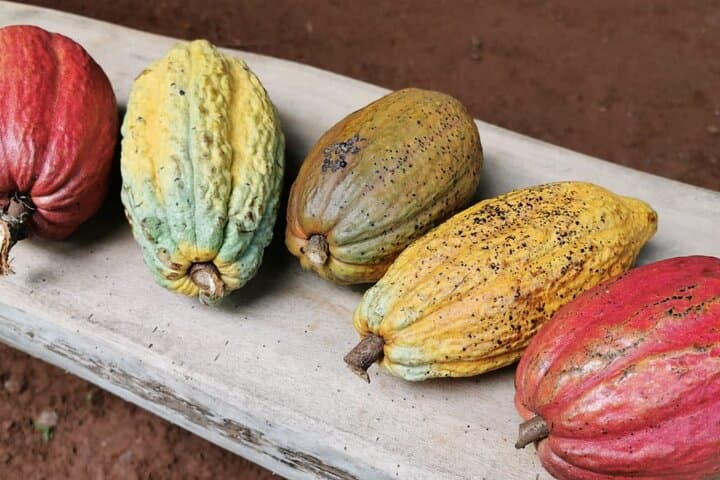
You step off the road into a humid courtyard where cacao pods hang like rough-skinned lanterns and the air tastes faintly of sugar cane. Ten minutes from Quepos and Manuel Antonio’s beaches, the tour moves at a human pace: hands-on demonstrations, roasted coffee aroma, and the unexpected tang of freshly pressed cane.
You step off the road into a humid courtyard where cacao pods hang like rough-skinned lanterns and the air tastes faintly of sugar cane. Ten minutes from Quepos and Manuel Antonio’s beaches, the tour moves at a human pace: hands-on demonstrations, roasted coffee aroma, and the unexpected tang of freshly pressed cane.
The experience opens with cultural context — cacao’s role in pre-Columbian Central America and coffee’s rise as Costa Rica’s export engine. Guides trace the beans from harvest and fermentation through traditional grinding methods; you’ll see a trapiche in motion, a simple mill that presses cane into a bright, sweet juice used across local communities.
Geology and climate matter here: the warm, humid Pacific slope and volcanic soils support cacao and coffee alike, producing the aromatic oils you taste during samplings. A small medicinal-plant garden highlights local ethnobotany and the ways communities use shade trees to protect crops and biodiversity.
Practical guidance: the two-hour visit is compact and accessible — stroller-friendly and suitable for all fitness levels. Expect standing demos, sampling stations for chocolate and coffee, and a short walkthrough of the processing exhibits and instruments. Bring sun protection and a reusable bottle; sessions may run outdoors under shade structures during the dry season and move briefly indoors if it rains.
Timing matters: arrive early to avoid midday heat and join smaller groups. The tour is bilingual and geared toward curious travelers who want hands-on tasting and clear explanations rather than long walks or heavy lifting.