THE ADVENTURE COLLECTIVE® · Independent discovery and booking for outdoor travel

Taste fresh chocolate, sample local coffee brewed the traditional way, and watch a trapiche press sugar cane on a 2-hour private-preserve tour near Manuel Antonio. Ideal for curious travelers seeking a compact cultural and wildlife experience.
Taste fresh chocolate, sample local coffee brewed the traditional way, and watch a trapiche press sugar cane on a 2-hour private-preserve tour near Manuel Antonio. Ideal for curious travelers seeking a compact cultural and wildlife experience.
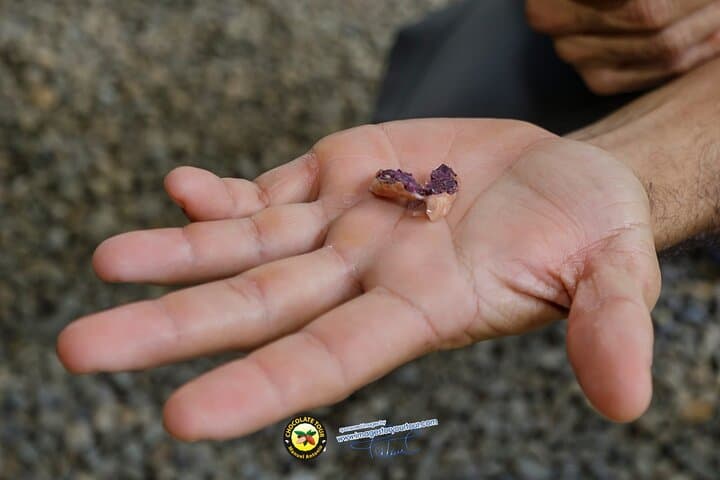
You step off the coastal road and into humid air that smells faintly of earth and sugar: a private jungle preserve fifteen minutes from Manuel Antonio. Canopy light spears through heliconia leaves, a guide gestures to a cacao pod split open like a pale lantern, and the first bitter-sweet taste of fresh chocolate arrives warm on the tongue.
Verified experiences and guided adventures in the surrounding area.
Operated by Terra Travel Costa Rica · Manuel Antonio, Puntarenas
You step off the coastal road and into humid air that smells faintly of earth and sugar: a private jungle preserve fifteen minutes from Manuel Antonio. Canopy light spears through heliconia leaves, a guide gestures to a cacao pod split open like a pale lantern, and the first bitter-sweet taste of fresh chocolate arrives warm on the tongue.
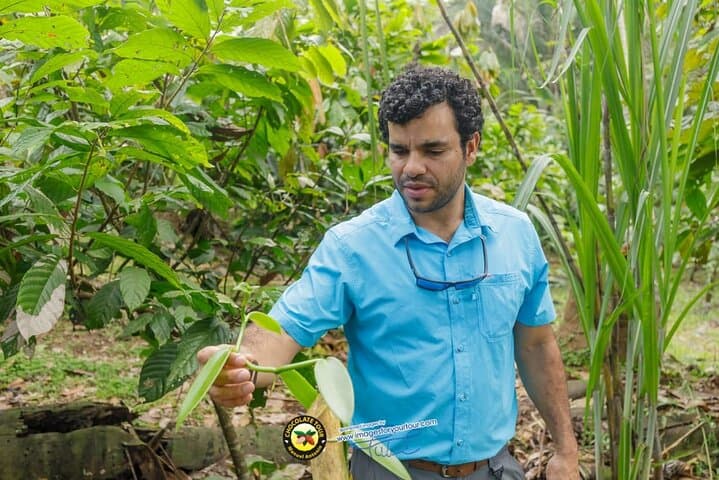
The tour threads food history into landscape: cacao brought to Central America long before European contact earned its moniker “drink of the gods,” while coffee later rewrote local economies and settlement patterns. The preserve sits on low coastal ridges fed by rich volcanic soils and Pacific moisture—conditions that favor the understory growth that cacao and coffee plants enjoy. Cultural touchstones appear in everyday rituals: café chorreado filtering coffee by hand, and the trapiche pressing raw sugar cane into agua de sapo, a lime-and-ginger refreshment that offsets the rainforest humidity.
Wildlife often stages brief cameos—howler and capuchin monkeys moving overhead, sloths tucked into bromeliads, and colorful birds calling from the edge of trails—so bring quiet curiosity.
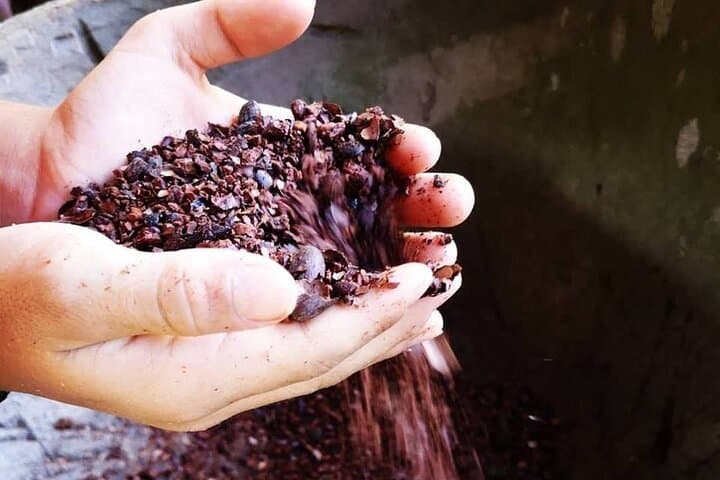
Practical notes: the experience runs about two hours with light walking on dirt paths and some uneven steps. Self-drivers will find on-site facilities and bilingual guides; pick-up is available for accommodations in Manuel Antonio and Quepos. Wear closed-toe shoes, bring a lightweight rain layer during the wet season, and carry water and insect protection. Expect hands-on demonstrations—sampling, grinding and pressing—and an intimate look at how three regional crops connect ecology, history, and daily Costa Rican life.
easy.
2 hours.
Light fitness; able to walk short, uneven trails and stand during demonstrations.
Pick-up is provided only for accommodations in Manuel Antonio and Quepos; self-drivers are welcome at the preserve for this option.
Yes—chocolate samples, coffee or tea tastings, and a serving of agua de sapo are included in the basic tour.
Yes; the tour is stroller-accessible and suitable for children, though uneven sections may require supervision.
Bilingual guides are provided, and demonstrations include both cultural context and hands-on activities.
Cacao and coffee played distinct roles: cacao holds pre-Columbian cultural importance, while coffee cultivation shaped 19th–20th century Costa Rican rural economies.
The preserve supports agroforestry practices that integrate native trees with crop plants; visitors are asked to stay on paths and avoid feeding wildlife to reduce human-wildlife conflicts.
Terra Travel Costa Rica operates guided outdoor trips and adventures with an emphasis on safety, stewardship, and memorable experiences.
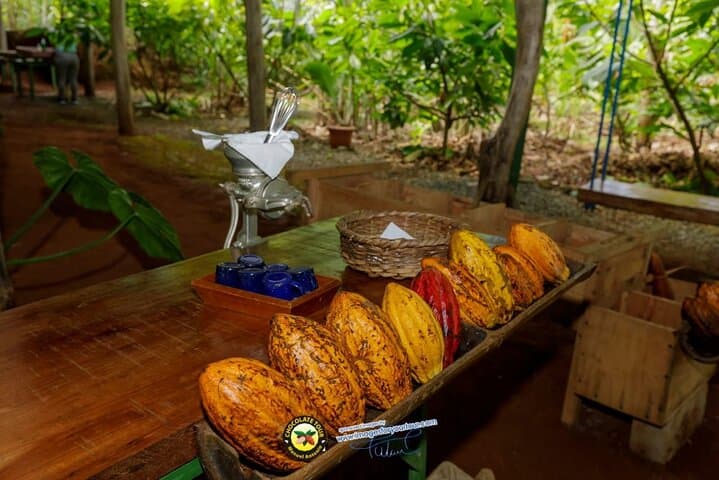
You step off the coastal road and into humid air that smells faintly of earth and sugar: a private jungle preserve fifteen minutes from Manuel Antonio. Canopy light spears through heliconia leaves, a guide gestures to a cacao pod split open like a pale lantern, and the first bitter-sweet taste of fresh chocolate arrives warm on the tongue.
You step off the coastal road and into humid air that smells faintly of earth and sugar: a private jungle preserve fifteen minutes from Manuel Antonio. Canopy light spears through heliconia leaves, a guide gestures to a cacao pod split open like a pale lantern, and the first bitter-sweet taste of fresh chocolate arrives warm on the tongue.
The tour threads food history into landscape: cacao brought to Central America long before European contact earned its moniker “drink of the gods,” while coffee later rewrote local economies and settlement patterns. The preserve sits on low coastal ridges fed by rich volcanic soils and Pacific moisture—conditions that favor the understory growth that cacao and coffee plants enjoy. Cultural touchstones appear in everyday rituals: café chorreado filtering coffee by hand, and the trapiche pressing raw sugar cane into agua de sapo, a lime-and-ginger refreshment that offsets the rainforest humidity.
Wildlife often stages brief cameos—howler and capuchin monkeys moving overhead, sloths tucked into bromeliads, and colorful birds calling from the edge of trails—so bring quiet curiosity.
Practical notes: the experience runs about two hours with light walking on dirt paths and some uneven steps. Self-drivers will find on-site facilities and bilingual guides; pick-up is available for accommodations in Manuel Antonio and Quepos. Wear closed-toe shoes, bring a lightweight rain layer during the wet season, and carry water and insect protection. Expect hands-on demonstrations—sampling, grinding and pressing—and an intimate look at how three regional crops connect ecology, history, and daily Costa Rican life.