THE ADVENTURE COLLECTIVE® · Independent discovery and booking for outdoor travel

Walk a medicinal-plant garden, visit vanilla and cacao, then learn to cook a classic casado in a local home. This three-hour Manuel Antonio experience pairs plant identification with practical, hands-on cooking instruction and lunch.
Walk a medicinal-plant garden, visit vanilla and cacao, then learn to cook a classic casado in a local home. This three-hour Manuel Antonio experience pairs plant identification with practical, hands-on cooking instruction and lunch.
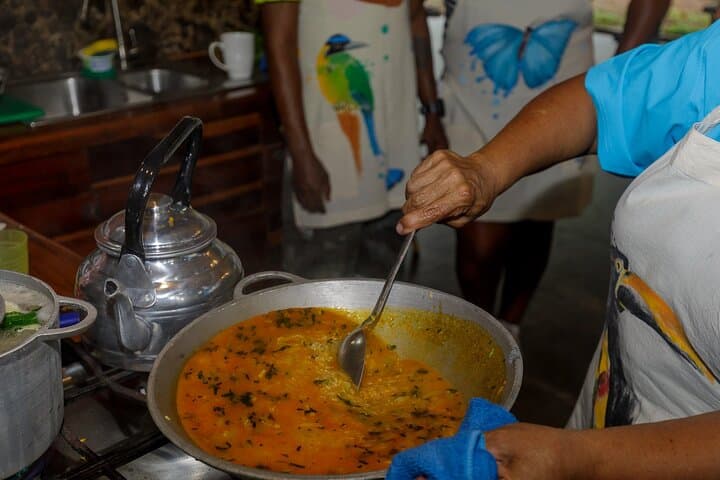
Steam rises from a clay pot as humid air from the nearby forest slips through the trees — you begin a short, purposeful hike among green leaves to learn where the meal begins.
Verified experiences and guided adventures in the surrounding area.
Operated by Jungle Night Tour Manuel Antonio · Manuel Antonio, Puntarenas
Steam rises from a clay pot as humid air from the nearby forest slips through the trees — you begin a short, purposeful hike among green leaves to learn where the meal begins.
This half-day experience blends a 3-acre botanical garden walk with stops at a vanilla vine, a cacao tree and a vintage sugarcane press before moving into a local kitchen for hands-on instruction. The trail is short and shaded, soil soft underfoot, with medicinal herbs marked and explained so plants feel less mysterious and more practical: which leaf staunches a cut, which root eases digestion.
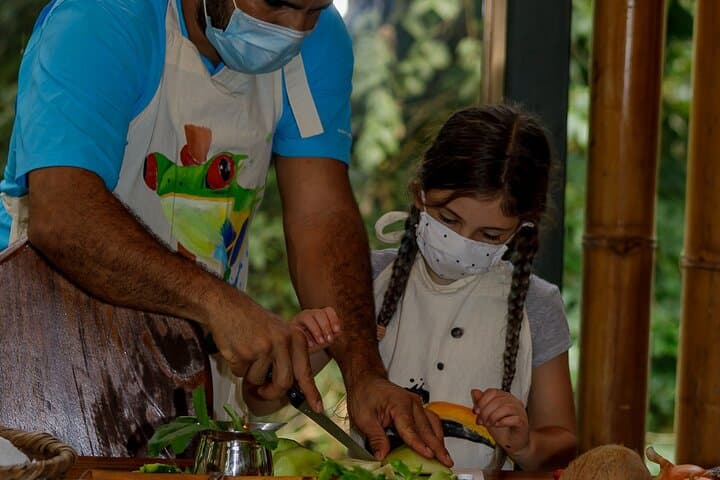
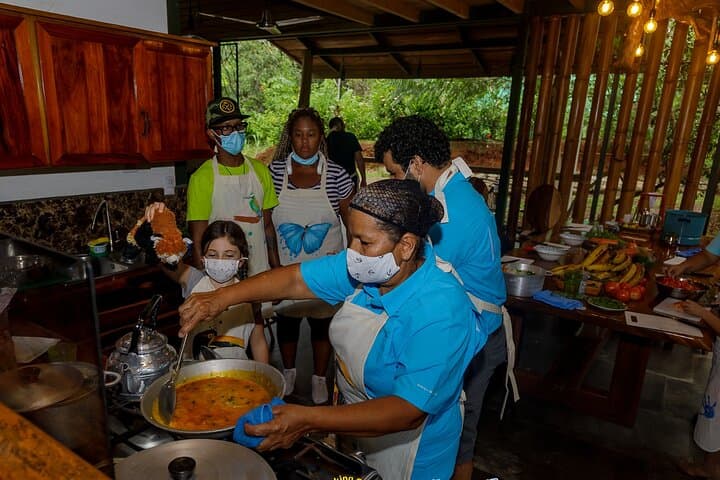
Manuel Antonio’s coast has long been shaped by river valleys and alluvial soils that favor spice and tropical crop growth; local culinary culture reflects a mix of indigenous practices and Spanish-era introductions like sugarcane. The cooking segment teaches how to prepare a classic casado while instructors explain knife technique, local flavor pairings and traditional uses for cacao and vanilla.
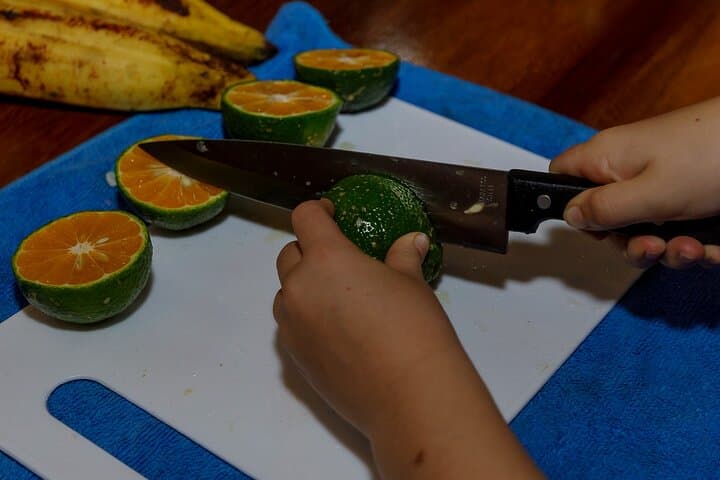
Practical details are straightforward: the activity lasts about three hours, includes lunch and tea or coffee, and is family-friendly. Expect standing and light chopping in a home kitchen after the garden walk. Bring insect repellent, sun protection and a reusable bottle; footwear should handle a damp garden path. Tell hosts about dietary restrictions ahead of time so they can adapt the menu.
For travelers who want an approachable, sensory way into Costa Rican foodways, this tour pairs field identification with pragmatic cooking skills — an afternoon that teaches both plant literacy and how to make it taste like home.
easy.
3 hours.
Light physical activity — able to walk short trails and stand for cooking instruction.
Yes — the walk and cooking are family-friendly; the menu includes child-friendly options and staff can adapt recipes for younger palates.
The operator lists wheelchair accessibility; contact them with specific mobility needs so they can prepare the route and workspace.
Yes — notify dietary restrictions at booking so hosts can adjust recipes; many Costa Rican dishes use fresh vegetables and can be made vegan.
Pickup options vary; check your booking question responses for pickup point instructions, or plan to arrive in Quepos/Manuel Antonio where many operators meet guests.
The coastal valleys near Manuel Antonio have agricultural roots stretching back before colonial times; crops like cacao and vanilla were historically significant both locally and for export.
Tours promote low-impact visits and plant education; stay on marked paths and avoid picking plants to protect regeneration and local biodiversity.
Jungle Night Tour Manuel Antonio operates guided outdoor trips and adventures with an emphasis on safety, stewardship, and memorable experiences.
Steam rises from a clay pot as humid air from the nearby forest slips through the trees — you begin a short, purposeful hike among green leaves to learn where the meal begins.
Steam rises from a clay pot as humid air from the nearby forest slips through the trees — you begin a short, purposeful hike among green leaves to learn where the meal begins.
This half-day experience blends a 3-acre botanical garden walk with stops at a vanilla vine, a cacao tree and a vintage sugarcane press before moving into a local kitchen for hands-on instruction. The trail is short and shaded, soil soft underfoot, with medicinal herbs marked and explained so plants feel less mysterious and more practical: which leaf staunches a cut, which root eases digestion.
Manuel Antonio’s coast has long been shaped by river valleys and alluvial soils that favor spice and tropical crop growth; local culinary culture reflects a mix of indigenous practices and Spanish-era introductions like sugarcane. The cooking segment teaches how to prepare a classic casado while instructors explain knife technique, local flavor pairings and traditional uses for cacao and vanilla.
Practical details are straightforward: the activity lasts about three hours, includes lunch and tea or coffee, and is family-friendly. Expect standing and light chopping in a home kitchen after the garden walk. Bring insect repellent, sun protection and a reusable bottle; footwear should handle a damp garden path. Tell hosts about dietary restrictions ahead of time so they can adapt the menu.
For travelers who want an approachable, sensory way into Costa Rican foodways, this tour pairs field identification with pragmatic cooking skills — an afternoon that teaches both plant literacy and how to make it taste like home.