THE ADVENTURE COLLECTIVE® · Independent discovery and booking for outdoor travel

Travel from the Andes into the heart of Manu Reserved Zone on a six-day river and forest expedition. See macaw clay licks, giant otters, oxbow lakes and experience community-led ecotourism while navigating varied terrain and river systems.
Travel from the Andes into the heart of Manu Reserved Zone on a six-day river and forest expedition. See macaw clay licks, giant otters, oxbow lakes and experience community-led ecotourism while navigating varied terrain and river systems.
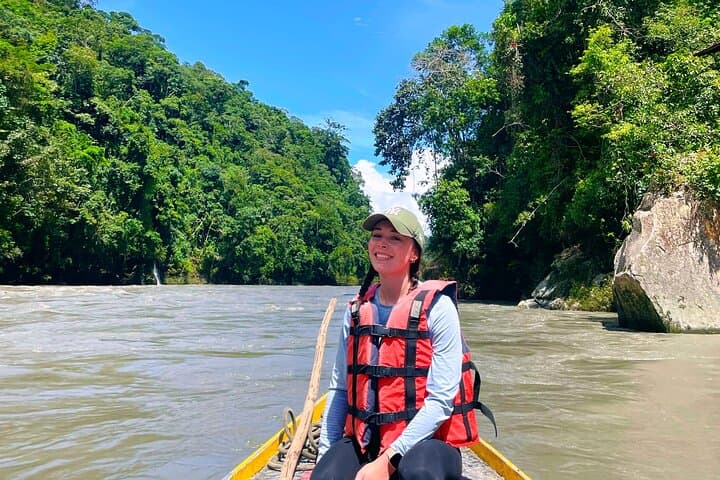
Dawn breaks over the high Andean road and the air tastes cold and sharp; by afternoon the world has changed—humid river mist, the river daring you forward, parrots scrawling color across the canopy. This six-day expedition moves from Cusco’s mountain passes, over the Abra de Acjanaco (≈3,500 m), and down into the slow, silted arteries of the Alto Madre de Dios and the Manu River, ending near Puerto Maldonado.
Verified experiences and guided adventures in the surrounding area.
Operated by Choquequirao Booking · Puerto Maldonado, Madre de Dios
Dawn breaks over the high Andean road and the air tastes cold and sharp; by afternoon the world has changed—humid river mist, the river daring you forward, parrots scrawling color across the canopy. This six-day expedition moves from Cusco’s mountain passes, over the Abra de Acjanaco (≈3,500 m), and down into the slow, silted arteries of the Alto Madre de Dios and the Manu River, ending near Puerto Maldonado.
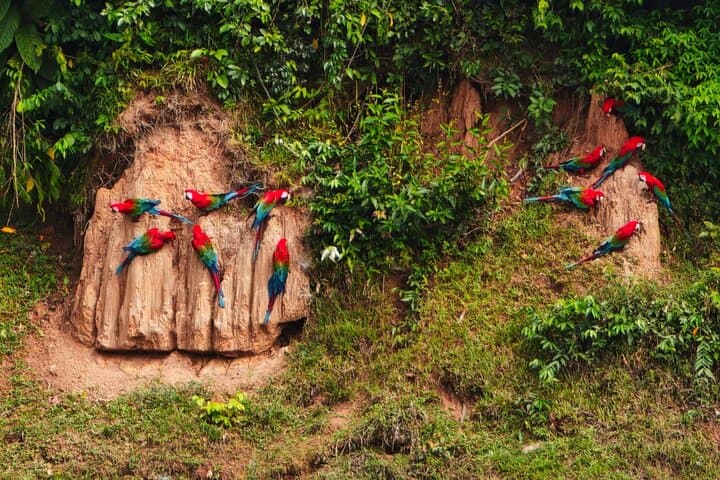
Manu’s geography is a study in gradients: cloud forest ecotone giving way to lowland terra firme and seasonally flooded varzea. The area’s human story runs from indigenous Matsiguenka stewardship to the creation of Manu National Park to protect some of the planet’s densest biodiversity. Clay licks—most famously Blanquillo—draw macaws in dizzying numbers, while oxbow lakes (cochas) like Brashco are magnets for giant otters and herons.
Expect daily windows of wildlife viewing from motorized boats, short guided forest walks, and optional night hikes to search for nocturnals. Guides keep schedules early—the hours after sunrise and before dusk are prime—so bring binoculars and patience. Terrain ranges from boardwalked jungle trails and muddy riverbanks to flat boat decks; elevation drops from 3,500 m to roughly 550 m, so layers matter.
Practical tips: pack rain gear, reliable ankle-support boots (jebe boots are often provided), strong insect repellent, and a dry bag for electronics. Hydrate during road transfers and follow guides’ instructions around wildlife and community visits. This trip rewards quiet observation and respect for fragile ecosystems—arrive ready to listen to the forest as much as to see it.
moderate.
6 days.
Suitable for travelers in average fitness: short hikes on uneven trails, getting on/off boats, and several hours of walking over multiple days.
The tour is rated moderate: daily activities include short jungle hikes and boarding small boats; it’s suitable for people in reasonable health with no serious mobility limitations.
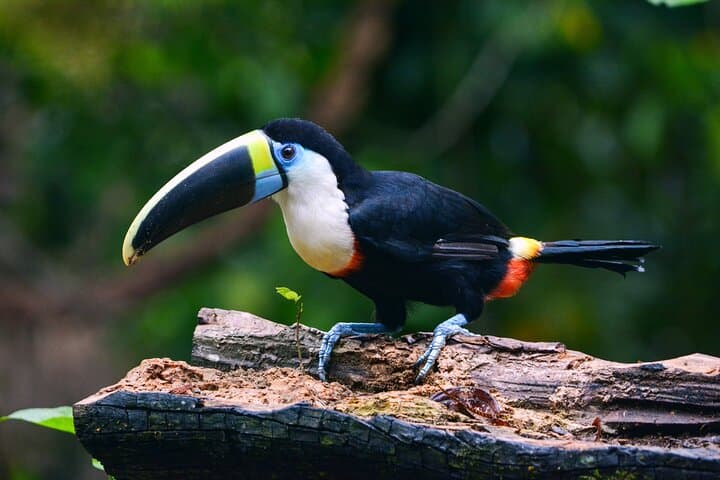
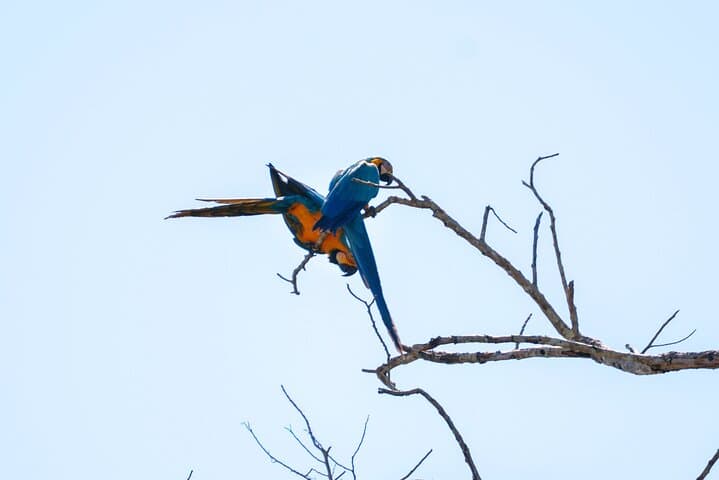
Expect abundant birdlife (macaws, hoatzins), capybaras, caimans, various monkeys and a good chance of spotting giant otters; jaguar and spectacled bear sightings are rare but possible.
Consult a travel health clinic for up-to-date advice—yellow fever vaccination is commonly recommended for Amazon trips, and antimalarial medication may be advised depending on current guidance.
Accommodations range from rustic ecolodges to community-run hostels with private or shared facilities; the trip includes meals, local-cuisine options, and filtered water during excursions.
The Manu area has long been home to indigenous groups such as the Matsiguenka; Manu National Park was established in the 1970s to protect intact Andean-to-Amazon gradients and their species richness.
The Reserved Zone is strictly regulated to limit impact: follow guide rules, avoid single-use plastics, and stay on designated paths to reduce disturbance to wildlife.
Choquequirao Booking operates guided outdoor trips and adventures with an emphasis on safety, stewardship, and memorable experiences.
Dawn breaks over the high Andean road and the air tastes cold and sharp; by afternoon the world has changed—humid river mist, the river daring you forward, parrots scrawling color across the canopy. This six-day expedition moves from Cusco’s mountain passes, over the Abra de Acjanaco (≈3,500 m), and down into the slow, silted arteries of the Alto Madre de Dios and the Manu River, ending near Puerto Maldonado.
Dawn breaks over the high Andean road and the air tastes cold and sharp; by afternoon the world has changed—humid river mist, the river daring you forward, parrots scrawling color across the canopy. This six-day expedition moves from Cusco’s mountain passes, over the Abra de Acjanaco (≈3,500 m), and down into the slow, silted arteries of the Alto Madre de Dios and the Manu River, ending near Puerto Maldonado.
Manu’s geography is a study in gradients: cloud forest ecotone giving way to lowland terra firme and seasonally flooded varzea. The area’s human story runs from indigenous Matsiguenka stewardship to the creation of Manu National Park to protect some of the planet’s densest biodiversity. Clay licks—most famously Blanquillo—draw macaws in dizzying numbers, while oxbow lakes (cochas) like Brashco are magnets for giant otters and herons.
Expect daily windows of wildlife viewing from motorized boats, short guided forest walks, and optional night hikes to search for nocturnals. Guides keep schedules early—the hours after sunrise and before dusk are prime—so bring binoculars and patience. Terrain ranges from boardwalked jungle trails and muddy riverbanks to flat boat decks; elevation drops from 3,500 m to roughly 550 m, so layers matter.
Practical tips: pack rain gear, reliable ankle-support boots (jebe boots are often provided), strong insect repellent, and a dry bag for electronics. Hydrate during road transfers and follow guides’ instructions around wildlife and community visits. This trip rewards quiet observation and respect for fragile ecosystems—arrive ready to listen to the forest as much as to see it.