THE ADVENTURE COLLECTIVE® · Independent discovery and booking for outdoor travel

A 6-day river-and-lodge expedition from Cusco into the Manu Reserved Zone that mixes Andean high-road passage with deep-Amazon boat travel. Expect giant otters, macaws, community visits and nights in riverside lodges.
A 6-day river-and-lodge expedition from Cusco into the Manu Reserved Zone that mixes Andean high-road passage with deep-Amazon boat travel. Expect giant otters, macaws, community visits and nights in riverside lodges.
You leave Cusco before dawn, the city’s stone streets shrinking as the road climbs toward Acjanaco at roughly 4,000 m. The Andes slide off to cloud forest—trees lean toward the incoming moisture, rivers daring you to follow them downstream. By afternoon the paved road gives way to river: a motorboat becomes the highway, carrying you deeper into Manu’s reserved zone where the forest crowds the water and macaws flash like thrown paint.
Verified experiences and guided adventures in the surrounding area.
Operated by Bio Manu Expeditions · Cusco, Cusco Region
You leave Cusco before dawn, the city’s stone streets shrinking as the road climbs toward Acjanaco at roughly 4,000 m. The Andes slide off to cloud forest—trees lean toward the incoming moisture, rivers daring you to follow them downstream. By afternoon the paved road gives way to river: a motorboat becomes the highway, carrying you deeper into Manu’s reserved zone where the forest crowds the water and macaws flash like thrown paint.
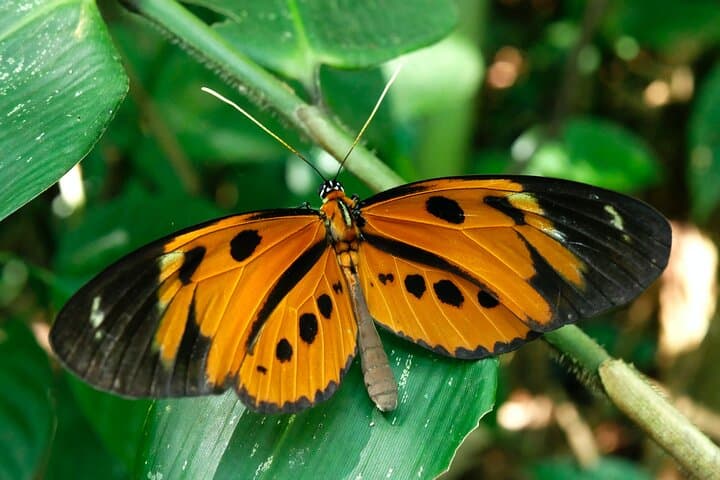
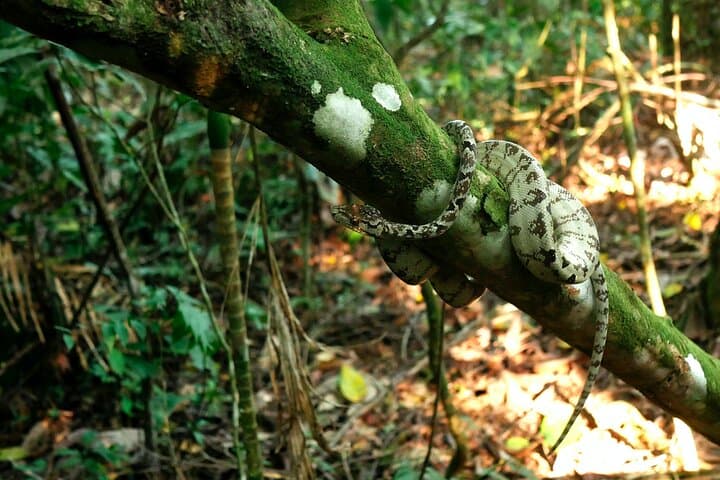
Manu National Park protects one of the richest biological corridors on Earth; its Reserved Zone is a transition area where Andean runoff meets lowland Amazon. Geologically, the landscape shifts from steep, eroded Andean flanks to broad alluvial plains punctuated by oxbow lakes (cochas) such as Cocha Salvador. Culturally, the tour visits Machiguenga communities—local knowledge, fishing techniques and bow-and-arrow demonstrations are living links to centuries of riverine life.
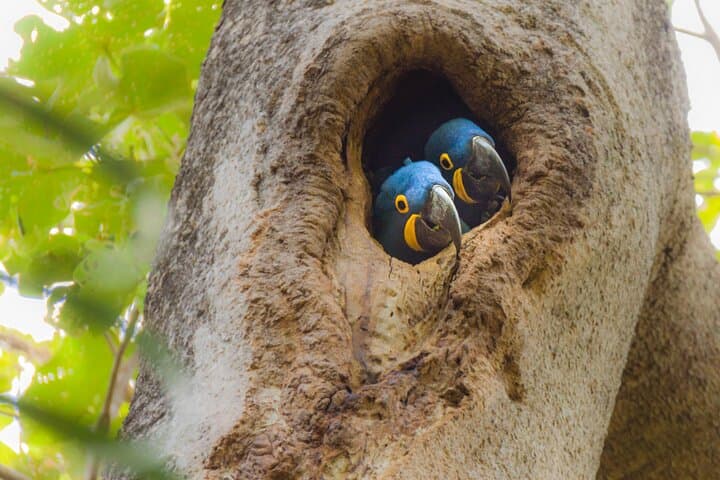
Expect a mix of travel: long vehicle stretches, river navigation, short guided walks on muddy trails and raised boardwalks, and nights in family-run lodges and an elevated tree-house. Wildlife highlights often include giant otters, capybaras, caimans, and multicolored macaws; dawn and dusk are busiest.
Practical edge: acclimatize in Cusco for 24–48 hours to reduce altitude strain, pack a lightweight rain shell and high-SPF sunscreen, and bring a headlamp and waterproof daypack—lodges supply mosquito nets and rubber boots. Mobile signal is intermittent; plan to be off-grid. The itinerary demands moderate fitness and a readiness for humidity, mud, and boat transfers—rewarded by close wildlife encounters and riverborne solitude.
moderate.
6 days.
Participants should be in moderate cardiovascular shape; expect long vehicle hours, several boat transfers and short rainforest walks.
The tour is rated moderate: long travel days, boat rides and short jungle walks; guests should be able to walk uneven trails and board small boats.
Common sightings include macaws, toucans, capybaras, caimans and occasionally giant otters; sightings are never guaranteed but guides target productive times at dawn and dusk.
Yes — the road climbs to about 4,000 m near Acjanaco; spending 24–48 hours in Cusco beforehand and hydrating helps reduce symptoms.
Lodges on this itinerary are basic but comfortable, offering beds, mosquito nets and cooked meals—expect simple plumbing and intermittent electricity.
Manu’s protected areas were designated to conserve an ecological gradient from Andes to Amazon; indigenous groups like the Matsiguenka and Machiguenga have inhabited these river corridors for centuries.
Visitors should follow leave-no-trace principles; controlled access and lodge stays help limit human impact while community-led tourism supports local stewardship.
Bio Manu Expeditions operates guided outdoor trips and adventures with an emphasis on safety, stewardship, and memorable experiences.
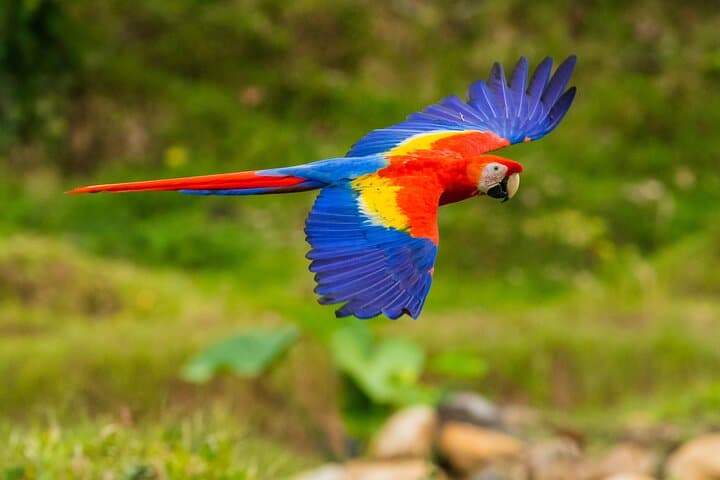
You leave Cusco before dawn, the city’s stone streets shrinking as the road climbs toward Acjanaco at roughly 4,000 m. The Andes slide off to cloud forest—trees lean toward the incoming moisture, rivers daring you to follow them downstream. By afternoon the paved road gives way to river: a motorboat becomes the highway, carrying you deeper into Manu’s reserved zone where the forest crowds the water and macaws flash like thrown paint.
You leave Cusco before dawn, the city’s stone streets shrinking as the road climbs toward Acjanaco at roughly 4,000 m. The Andes slide off to cloud forest—trees lean toward the incoming moisture, rivers daring you to follow them downstream. By afternoon the paved road gives way to river: a motorboat becomes the highway, carrying you deeper into Manu’s reserved zone where the forest crowds the water and macaws flash like thrown paint.
Manu National Park protects one of the richest biological corridors on Earth; its Reserved Zone is a transition area where Andean runoff meets lowland Amazon. Geologically, the landscape shifts from steep, eroded Andean flanks to broad alluvial plains punctuated by oxbow lakes (cochas) such as Cocha Salvador. Culturally, the tour visits Machiguenga communities—local knowledge, fishing techniques and bow-and-arrow demonstrations are living links to centuries of riverine life.
Expect a mix of travel: long vehicle stretches, river navigation, short guided walks on muddy trails and raised boardwalks, and nights in family-run lodges and an elevated tree-house. Wildlife highlights often include giant otters, capybaras, caimans, and multicolored macaws; dawn and dusk are busiest.
Practical edge: acclimatize in Cusco for 24–48 hours to reduce altitude strain, pack a lightweight rain shell and high-SPF sunscreen, and bring a headlamp and waterproof daypack—lodges supply mosquito nets and rubber boots. Mobile signal is intermittent; plan to be off-grid. The itinerary demands moderate fitness and a readiness for humidity, mud, and boat transfers—rewarded by close wildlife encounters and riverborne solitude.