THE ADVENTURE COLLECTIVE® · Independent discovery and booking for outdoor travel

A condensed, photo-focused expedition into Manu’s Reserve Zone: five days of dawn clay-licks, riverborne wildlife runs and guided night walks aimed at macaw and jaguar encounters. Practical, lodge-based travel into one of Peru’s most biodiverse wildlands.
A condensed, photo-focused expedition into Manu’s Reserve Zone: five days of dawn clay-licks, riverborne wildlife runs and guided night walks aimed at macaw and jaguar encounters. Practical, lodge-based travel into one of Peru’s most biodiverse wildlands.
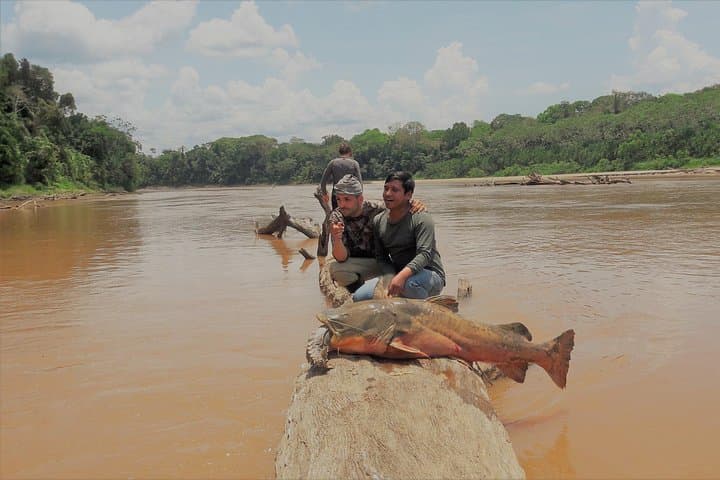
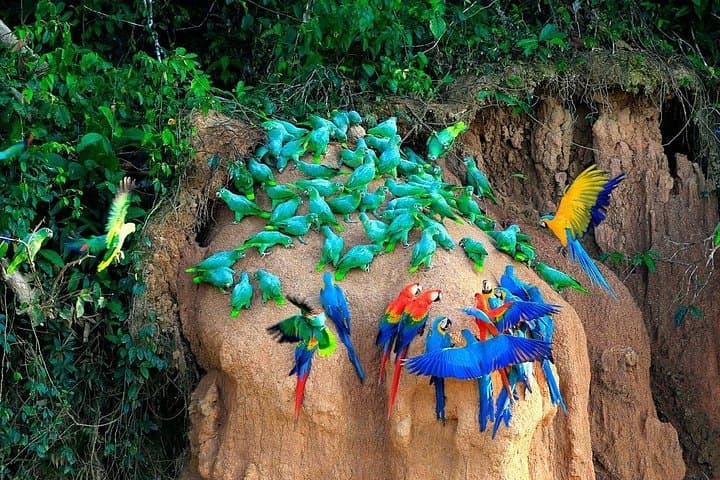
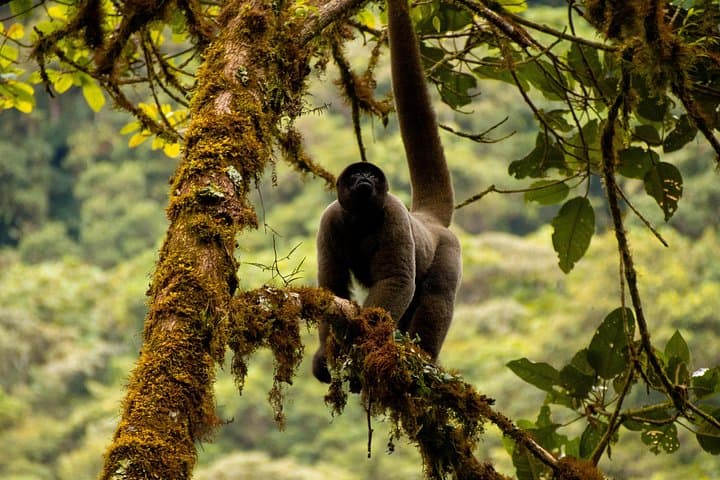
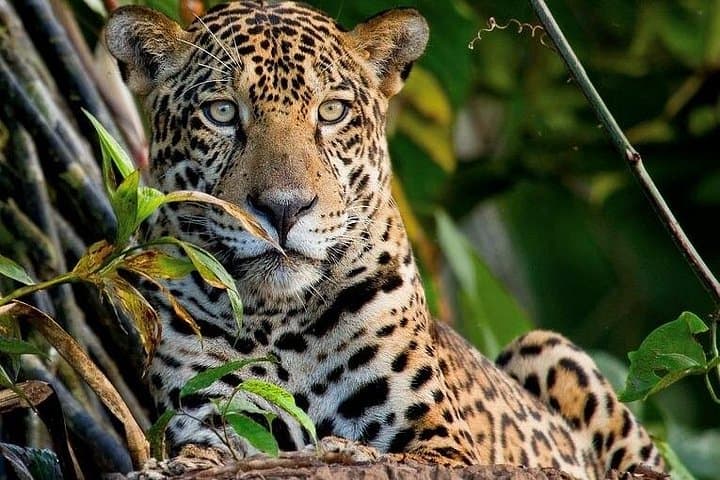
You step off the riverboat and the air changes—thick, green, and alive—every sound exaggerated: a distant macaw squawk, insect wings, the river pulling itself around a bend. Over five days in the Manu Reserve Zone you move between oxbow lakes, primary forest trails and raised riverbanks where macaws descend by the dozen to the clay licks and jaguars shadow the waterline.
Verified experiences and guided adventures in the surrounding area.
Operated by Amazon Trip Peru · Puerto Maldonado, Madre de Dios
You step off the riverboat and the air changes—thick, green, and alive—every sound exaggerated: a distant macaw squawk, insect wings, the river pulling itself around a bend. Over five days in the Manu Reserve Zone you move between oxbow lakes, primary forest trails and raised riverbanks where macaws descend by the dozen to the clay licks and jaguars shadow the waterline.
Manu sits on the eastern slopes of the Andes where steep mountains give way to the Amazonian lowlands. The park’s geology—ancient alluvial plains punctuated by oxbow lakes—creates concentrated wildlife corridors. Human history here includes indigenous communities who have lived with and managed forest resources for generations; Manu is also part of a UNESCO biosphere and conservation-focused research.
Expect a mix of slow boat travel, guided day hikes on uneven, often muddy trails, and nocturnal walks for caimans and owls. Photographers chase clay-lick light at dawn; naturalists watch for giant otters on riverbanks and tapir signs along sediment flats. Lodges near the reserve provide basic comfort: solar electricity, hot meals sourced locally, and guided interpretation.
Practicalities: pack a waterproof jacket and quick-dry layers, mosquito protection and a telephoto lens or binoculars. Hydration and sun protection are essential—equatorial sun can be intense between canopy gaps. Follow guides’ instructions around wildlife; sightings are opportunistic, weather-dependent and better in the drier months when animals concentrate near water. Arrival is usually via Puerto Maldonado with private transfer into the reserve; flexibility and patience are part of the experience.
moderate.
5 days.
Suitable for travelers in good general health who can handle humid conditions, uneven muddy trails, and multiple early mornings
Most trips start from Puerto Maldonado with a private transfer by road and river; confirm exact pickup location and arrival windows with the operator.
Consult your travel clinic—yellow fever vaccination is often recommended and malaria prophylaxis may be advised depending on current health guidance.
Lodges near Manu offer basic comforts—simple rooms, shared bathrooms and often solar electricity; expect limited internet and phone service.
Sightings are opportunistic but tend to be higher in the dry season when prey concentrates near rivers; guides will optimize boat routes and night efforts accordingly.
Manu has long been inhabited by indigenous groups and was established as a national park in 1973; it forms part of a UNESCO biosphere intended to balance protection and traditional use.
Strict access rules protect sensitive clay-licks and nesting areas; visitors should minimize plastic waste, follow stay-on-trail guidance and avoid feeding wildlife.
Amazon Trip Peru operates guided outdoor trips and adventures with an emphasis on safety, stewardship, and memorable experiences.
You step off the riverboat and the air changes—thick, green, and alive—every sound exaggerated: a distant macaw squawk, insect wings, the river pulling itself around a bend. Over five days in the Manu Reserve Zone you move between oxbow lakes, primary forest trails and raised riverbanks where macaws descend by the dozen to the clay licks and jaguars shadow the waterline.
You step off the riverboat and the air changes—thick, green, and alive—every sound exaggerated: a distant macaw squawk, insect wings, the river pulling itself around a bend. Over five days in the Manu Reserve Zone you move between oxbow lakes, primary forest trails and raised riverbanks where macaws descend by the dozen to the clay licks and jaguars shadow the waterline.
Manu sits on the eastern slopes of the Andes where steep mountains give way to the Amazonian lowlands. The park’s geology—ancient alluvial plains punctuated by oxbow lakes—creates concentrated wildlife corridors. Human history here includes indigenous communities who have lived with and managed forest resources for generations; Manu is also part of a UNESCO biosphere and conservation-focused research.
Expect a mix of slow boat travel, guided day hikes on uneven, often muddy trails, and nocturnal walks for caimans and owls. Photographers chase clay-lick light at dawn; naturalists watch for giant otters on riverbanks and tapir signs along sediment flats. Lodges near the reserve provide basic comfort: solar electricity, hot meals sourced locally, and guided interpretation.
Practicalities: pack a waterproof jacket and quick-dry layers, mosquito protection and a telephoto lens or binoculars. Hydration and sun protection are essential—equatorial sun can be intense between canopy gaps. Follow guides’ instructions around wildlife; sightings are opportunistic, weather-dependent and better in the drier months when animals concentrate near water. Arrival is usually via Puerto Maldonado with private transfer into the reserve; flexibility and patience are part of the experience.