THE ADVENTURE COLLECTIVE® · Independent discovery and booking for outdoor travel

Descend from Cusco’s highlands into Manu’s wild lowlands on a four-day lodge-based journey that balances long travel days with focused wildlife viewing. Expect clay-lick spectacles, river canoeing, night walks and expert naturalist interpretation.
Descend from Cusco’s highlands into Manu’s wild lowlands on a four-day lodge-based journey that balances long travel days with focused wildlife viewing. Expect clay-lick spectacles, river canoeing, night walks and expert naturalist interpretation.
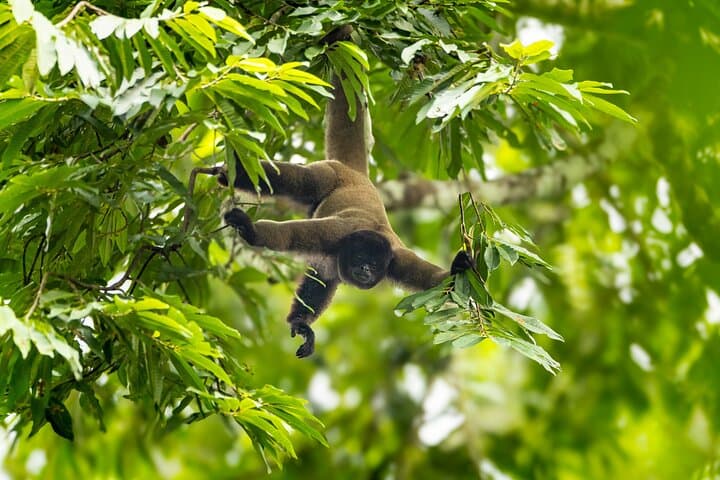
The van leaves Cusco before dawn, engines humming through highland light as the road slides from puna grasslands into cloud forest and, finally, the broad, humid breathing of the Amazon. By midafternoon you’re in a lodge where the calls of howler monkeys travel like distant thunder and the river’s current seems to dare you to look deeper.
Verified experiences and guided adventures in the surrounding area.
Operated by Travel Peru Agency · Cusco, Cusco Region
The van leaves Cusco before dawn, engines humming through highland light as the road slides from puna grasslands into cloud forest and, finally, the broad, humid breathing of the Amazon. By midafternoon you’re in a lodge where the calls of howler monkeys travel like distant thunder and the river’s current seems to dare you to look deeper.
Manu National Park is a UNESCO-protected reserve where the eastern Andean slopes spill into lowland rainforest; geological layers shift from younger Andean formations to alluvial plains carved by the Madre de Dios and Manu rivers. Human history here stretches from pre-Inca chullpas at Ninamarca to small mestizo and indigenous communities whose livelihoods and knowledge shape daily life along the river.
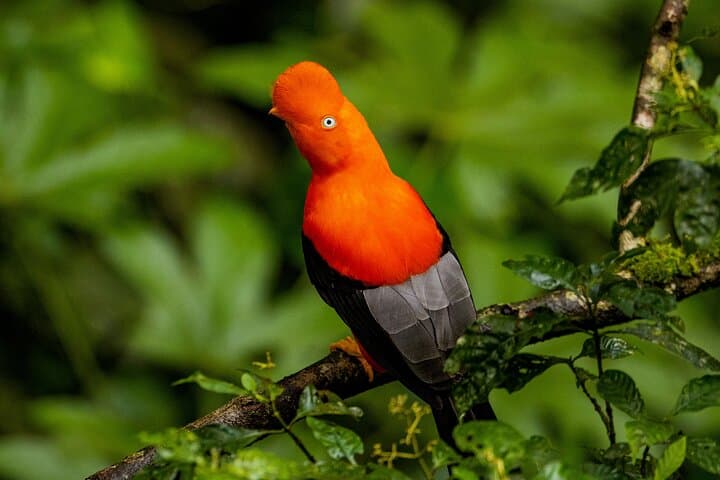
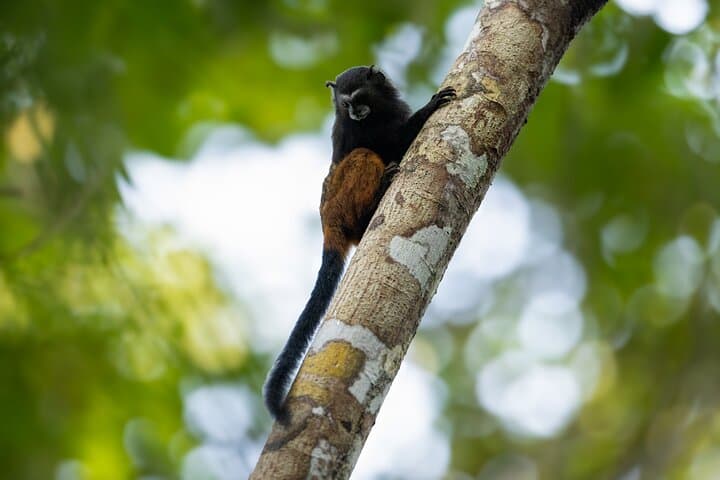
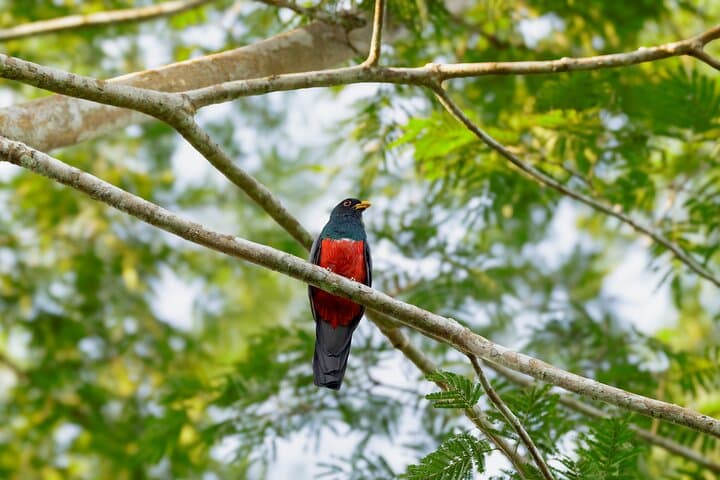
Over four days you’ll move by minivan, foot and canoe—searching clay licks where macaws and parrots gather, standing beneath a ceiba that brushes the canopy at ~66 meters, and skimming blackwater channels alive with kingfishers, toucans and capuchins. Night hikes reveal caimans’ eyes and the soft rustle of nocturnal primates; your guide decodes calls, tracks and edible plants as part of hands-on interpretation.
Practical edge: expect long transfers (early starts, bumpy roads) and hot, humid conditions once below 1,000 m—pack light, breathable layers, reliable rain protection, strong footwear and a good insect strategy. Camera with telephoto and binoculars pay dividends. The tour balances calm lodge nights with active days—ideal for travelers who want focused wildlife viewing without backpacking. Respect local rules, keep noise low at clay licks, and let the forest guide the pace.
moderate.
4 days.
Suitable for travelers in good general health comfortable walking 1–4 hours on uneven jungle trails and tolerating long vehicle transfers.
Consult a travel clinic—yellow fever vaccination is often recommended for Amazon travel, and routine vaccines and malaria prophylaxis may be advised depending on season and route.
Expect long, bumpy minivan rides over mountain roads and several canoe segments; bring motion-sickness remedies if you’re prone to nausea.
Lodges are comfortable but rustic: private or shared rooms, simple hot water arrangements and communal meals provided—amenities focus on wildlife access, not luxury.
The dry season (roughly May–October) often offers clearer viewing at collpas and easier access, though wildlife is present year-round and behavior can vary daily.
Manu became a protected area in 1973 and is recognized as a UNESCO biosphere reserve; archaeological sites like Ninamarca point to pre-Inca occupation along Andean approaches.
Tourism in Manu supports protected-area management and local guides; stay on trails, avoid single-use plastics and follow lodge rules to minimize impact.
Travel Peru Agency operates guided outdoor trips and adventures with an emphasis on safety, stewardship, and memorable experiences.
The van leaves Cusco before dawn, engines humming through highland light as the road slides from puna grasslands into cloud forest and, finally, the broad, humid breathing of the Amazon. By midafternoon you’re in a lodge where the calls of howler monkeys travel like distant thunder and the river’s current seems to dare you to look deeper.
The van leaves Cusco before dawn, engines humming through highland light as the road slides from puna grasslands into cloud forest and, finally, the broad, humid breathing of the Amazon. By midafternoon you’re in a lodge where the calls of howler monkeys travel like distant thunder and the river’s current seems to dare you to look deeper.
Manu National Park is a UNESCO-protected reserve where the eastern Andean slopes spill into lowland rainforest; geological layers shift from younger Andean formations to alluvial plains carved by the Madre de Dios and Manu rivers. Human history here stretches from pre-Inca chullpas at Ninamarca to small mestizo and indigenous communities whose livelihoods and knowledge shape daily life along the river.
Over four days you’ll move by minivan, foot and canoe—searching clay licks where macaws and parrots gather, standing beneath a ceiba that brushes the canopy at ~66 meters, and skimming blackwater channels alive with kingfishers, toucans and capuchins. Night hikes reveal caimans’ eyes and the soft rustle of nocturnal primates; your guide decodes calls, tracks and edible plants as part of hands-on interpretation.
Practical edge: expect long transfers (early starts, bumpy roads) and hot, humid conditions once below 1,000 m—pack light, breathable layers, reliable rain protection, strong footwear and a good insect strategy. Camera with telephoto and binoculars pay dividends. The tour balances calm lodge nights with active days—ideal for travelers who want focused wildlife viewing without backpacking. Respect local rules, keep noise low at clay licks, and let the forest guide the pace.