THE ADVENTURE COLLECTIVE® · Independent discovery and booking for outdoor travel

A full-day, guided birdwatching tour from Valparaíso to Mantagua Wetland and Cachagua Island. See migratory shorebirds, coastal raptors, and Humboldt penguins while walking dunes, lagoon boardwalks, and pine park trails.
A full-day, guided birdwatching tour from Valparaíso to Mantagua Wetland and Cachagua Island. See migratory shorebirds, coastal raptors, and Humboldt penguins while walking dunes, lagoon boardwalks, and pine park trails.
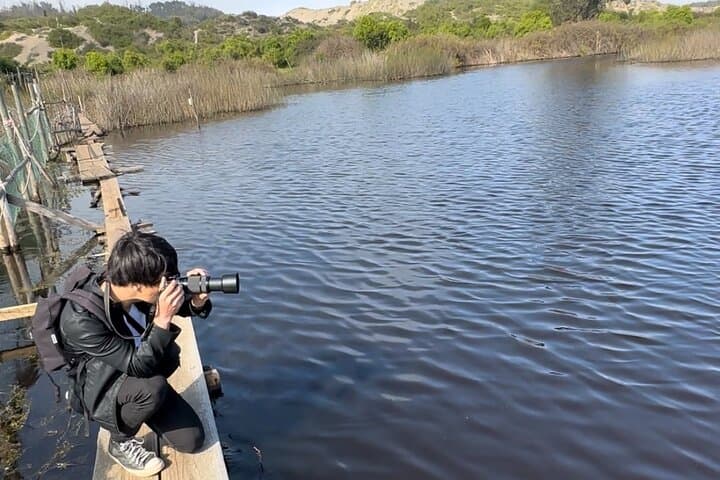
You step from an air-conditioned minivan into a wind that seems to have practiced its gusts along the coast: salt and pine push against you as the dunes of Ritoque unfold like a living map. Underfoot, coarse sand gives way to a narrow boardwalk, and the lagoon opens—a still green mirror edged by reeds and the low cry of birds.
Verified experiences and guided adventures in the surrounding area.
Operated by Terraventura Outdoor · Valparaíso, Valparaíso Region
You step from an air-conditioned minivan into a wind that seems to have practiced its gusts along the coast: salt and pine push against you as the dunes of Ritoque unfold like a living map. Underfoot, coarse sand gives way to a narrow boardwalk, and the lagoon opens—a still green mirror edged by reeds and the low cry of birds.
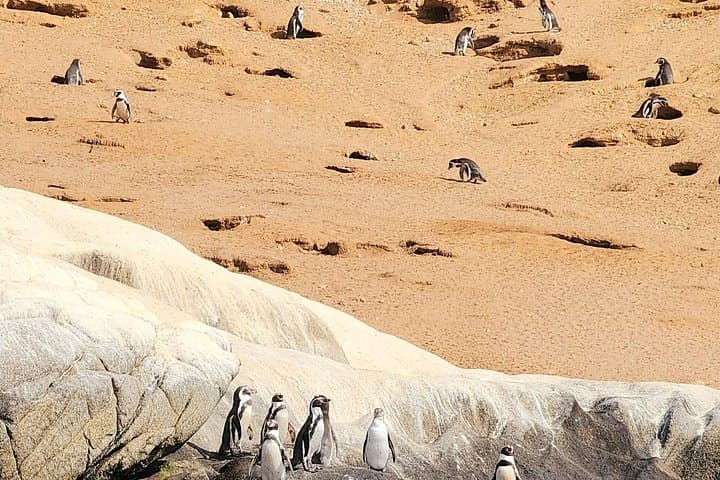
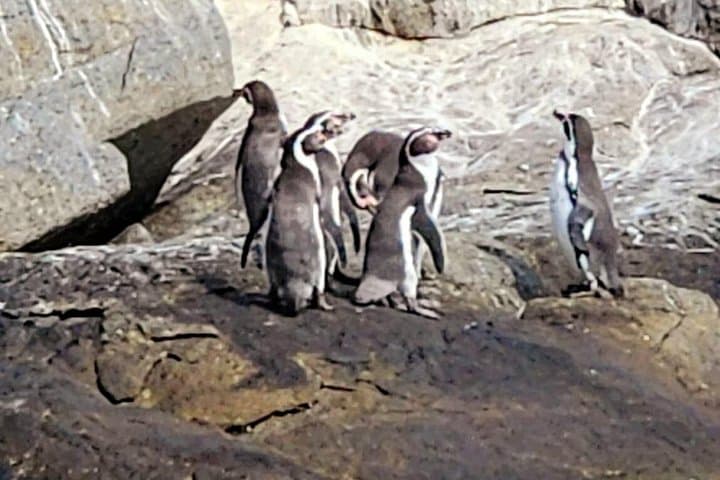
This stretch of Chilean coast sits where Pacific currents meet sandy windblown ridges; the Mantagua wetland is a stopping point for migratory species that travel from North and Central America, while Cachagua Island hosts a small, permanent population of Humboldt penguins. Geology here is recent—dunes formed by sea, wind, and river-borne sediments—and human history is braided with fishing and small ranching communities that shaped the pine stands behind the strand.
Guided observation replaces rough handling: expect patient pauses at the lagoon, a stroll toward dune overlooks, and shore-side views across a narrow channel to Cachagua Island. Photography opportunities are best with a telephoto lens and a low sun; pelicans thread the surf and cormorants streak coastal air. The tour runs six to seven hours and includes local snacks and a ranch lunch with wine.
Practical: bring layered clothing for coastal wind, waterproof footwear for sandy trails, and binoculars. Carry water and a charged phone with extra storage for photos. Respect nesting areas—stay with the guide, keep noise low, and avoid sudden movements. Timing your visit for early morning or late afternoon improves light and bird activity.
easy.
6–7 hours.
Light walking on sandy and boardwalk terrain; suitable for most fitness levels
Viewing is from shore and designated vantage points—around 50–100 meters in typical conditions—close enough for good photos with a telephoto lens while keeping birds undisturbed.
Yes; the route is suitable for children and visitors of most ages, with easy walking and guided supervision through sensitive areas.
Yes; the tour includes snacks and a ranch-style lunch (Chilean empanadas or vegetarian option) and bottled water.
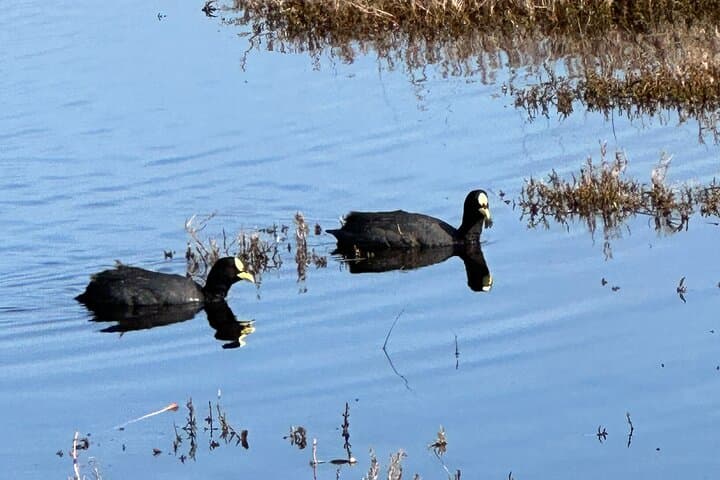
Common sightings include Humboldt penguins (from the island), Peruvian/pelicans, cormorants, herons, and various migrant shorebirds depending on season.
The coastal dunes and wetlands have supported small fishing and ranching communities for generations; the area’s ecological value grew with recognition of migratory bird routes and penguin colonies.
Mantagua is a protected wetland—stay on paths, avoid litter, and follow guide instructions to minimize disturbance to nesting birds and fragile dune vegetation.
Terraventura Outdoor operates guided outdoor trips and adventures with an emphasis on safety, stewardship, and memorable experiences.
You step from an air-conditioned minivan into a wind that seems to have practiced its gusts along the coast: salt and pine push against you as the dunes of Ritoque unfold like a living map. Underfoot, coarse sand gives way to a narrow boardwalk, and the lagoon opens—a still green mirror edged by reeds and the low cry of birds.
You step from an air-conditioned minivan into a wind that seems to have practiced its gusts along the coast: salt and pine push against you as the dunes of Ritoque unfold like a living map. Underfoot, coarse sand gives way to a narrow boardwalk, and the lagoon opens—a still green mirror edged by reeds and the low cry of birds.
This stretch of Chilean coast sits where Pacific currents meet sandy windblown ridges; the Mantagua wetland is a stopping point for migratory species that travel from North and Central America, while Cachagua Island hosts a small, permanent population of Humboldt penguins. Geology here is recent—dunes formed by sea, wind, and river-borne sediments—and human history is braided with fishing and small ranching communities that shaped the pine stands behind the strand.
Guided observation replaces rough handling: expect patient pauses at the lagoon, a stroll toward dune overlooks, and shore-side views across a narrow channel to Cachagua Island. Photography opportunities are best with a telephoto lens and a low sun; pelicans thread the surf and cormorants streak coastal air. The tour runs six to seven hours and includes local snacks and a ranch lunch with wine.
Practical: bring layered clothing for coastal wind, waterproof footwear for sandy trails, and binoculars. Carry water and a charged phone with extra storage for photos. Respect nesting areas—stay with the guide, keep noise low, and avoid sudden movements. Timing your visit for early morning or late afternoon improves light and bird activity.