
Manta Snorkel Half-Day from Nusa Penida: Manta Bay, Crystal Bay & Gamat
A brisk half-day trip from Nusa Penida that pairs manta ray encounters with three classic snorkeling sites: Manta Bay, Crystal Bay and Gamat. Ideal for confident swimmers who want a short, wildlife-focused outing with local operators.
An Adventure In Nusa Penida.
A brisk half-day trip from Nusa Penida that pairs manta ray encounters with three classic snorkeling sites: Manta Bay, Crystal Bay and Gamat. Ideal for confident swimmers who want a short, wildlife-focused outing with local operators.
Read the full experience
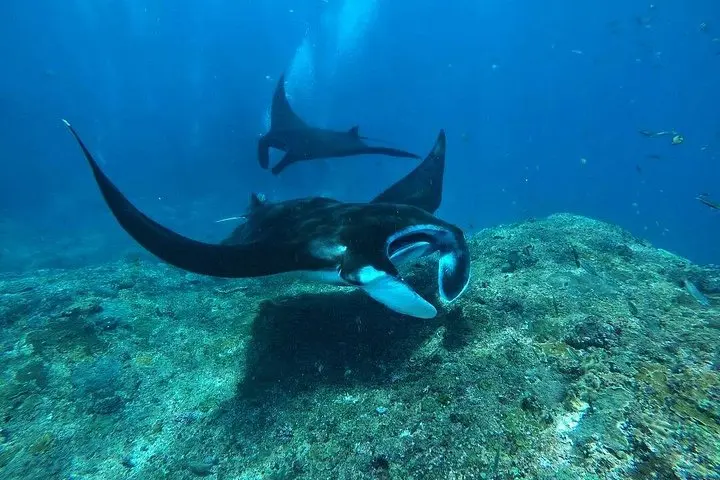
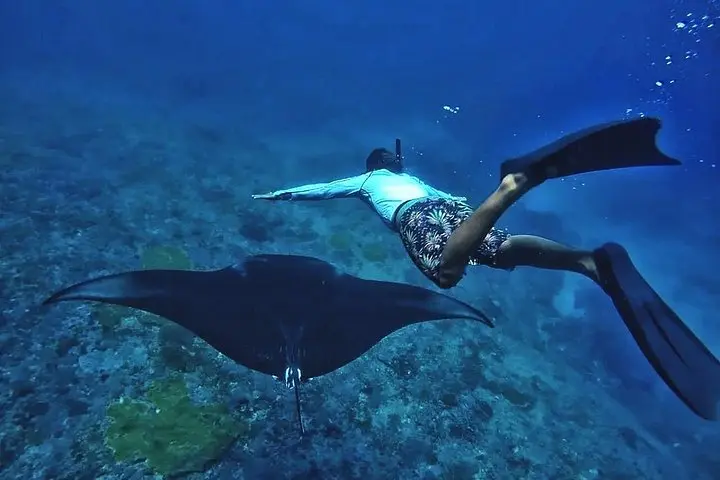
The boat slips away from the jetty and the limestone cliffs of Nusa Penida rise like a raw coastline cutting the horizon. Salt-slick wind pulls your hair back; the guide points to a dark shape moving beneath the surface — a manta's winged silhouette glides without hurry. For the next three hours the ocean demands attention: swift currents testing fins, patches of corals holding small fish like pockets of color, and the slow approach of large but harmless manta rays.
The boat slips away from the jetty and the limestone cliffs of Nusa Penida rise like a raw coastline cutting the horizon. Salt-slick wind pulls your hair back; the guide points to a dark shape moving beneath the surface — a manta's winged silhouette glides without hurry. For the next three hours the ocean demands attention: swift currents testing fins, patches of corals holding small fish like pockets of color, and the slow approach of large but harmless manta rays.
This stretch of sea off southwest Nusa Penida sits where the Bali Sea meets the Indian Ocean, a convergence that creates nutrient-rich upwellings and draws plankton-eating mantas year-round. Historically local fishers knew these cleaning stations well; over the last decade community-based tourism and dive operators have helped protect key reefs and promoted guidelines for respectful encounters.
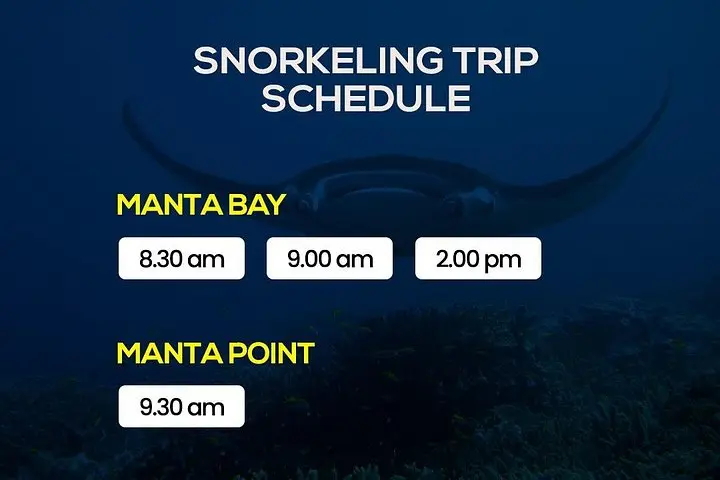
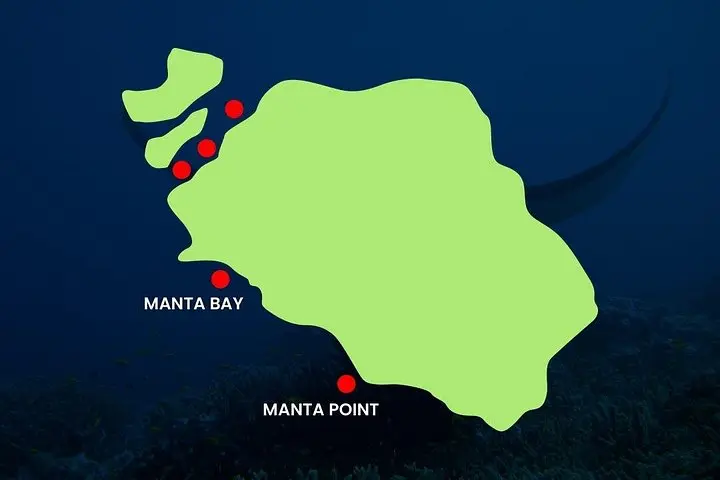
Expect three main stops: Manta Point/Bay for manta sightings, Crystal Bay for shallow reefs and visibility, and Gamat Bay where currents can be strong and wildlife abundant. The geology here is steep coral-cut cliffs and submerged terraces that channel currents; culture on the island remains village-centered with small harbors and family-run operators.
Practical edge: pick a morning slot for calmer seas and better visibility, bring a snug mask and reef-safe sunscreen, and be honest about your swimming comfort — guides will brief on currents and life-jacket use. Travel light, respect the animals by keeping distance, and plan transfers or a fastboat schedule that gives you 30–60 minutes buffer for check-in and transit.
Frequently asked questions
Operators estimate an 80–90% chance at Manta Point and 60–70% at Manta Bay depending on sea conditions; sightings are common but never guaranteed.
Yes — masks, fins, snorkels and life jackets are provided, but many guests prefer to bring their own well-fitting mask for comfort.
Yes for confident beginners age 8+, but participants should be comfortable in open water and follow guide briefings about currents and hand signals.
Most operators offer a refund or rebooking; confirm cancellation policy and arrival window (arrive 30 minutes before departure) with your provider.
About This Experience
Smile Nusa Penida operates guided outdoor trips and adventures with an emphasis on safety, stewardship, and memorable experiences.
Adventure tips
Recommended gear
- Personal snorkel mask: A well-fitting mask reduces fogging and improves comfort compared with shared rentals.
- Fins: Fins make it easier to hold position in currents and conserve energy while following wildlife.
- Rash guard or thin wetsuit: Provides sun protection and a bit of thermal comfort during repeated swims.
- Waterproof camera or GoPro: Captures manta encounters and reef life without risking your phone on rocky boat decks.
Photos of the experience
Related adventures & guides
Read the full experience
The boat slips away from the jetty and the limestone cliffs of Nusa Penida rise like a raw coastline cutting the horizon. Salt-slick wind pulls your hair back; the guide points to a dark shape moving beneath the surface — a manta's winged silhouette glides without hurry. For the next three hours the ocean demands attention: swift currents testing fins, patches of corals holding small fish like pockets of color, and the slow approach of large but harmless manta rays.
The boat slips away from the jetty and the limestone cliffs of Nusa Penida rise like a raw coastline cutting the horizon. Salt-slick wind pulls your hair back; the guide points to a dark shape moving beneath the surface — a manta's winged silhouette glides without hurry. For the next three hours the ocean demands attention: swift currents testing fins, patches of corals holding small fish like pockets of color, and the slow approach of large but harmless manta rays.
This stretch of sea off southwest Nusa Penida sits where the Bali Sea meets the Indian Ocean, a convergence that creates nutrient-rich upwellings and draws plankton-eating mantas year-round. Historically local fishers knew these cleaning stations well; over the last decade community-based tourism and dive operators have helped protect key reefs and promoted guidelines for respectful encounters.
Expect three main stops: Manta Point/Bay for manta sightings, Crystal Bay for shallow reefs and visibility, and Gamat Bay where currents can be strong and wildlife abundant. The geology here is steep coral-cut cliffs and submerged terraces that channel currents; culture on the island remains village-centered with small harbors and family-run operators.
Practical edge: pick a morning slot for calmer seas and better visibility, bring a snug mask and reef-safe sunscreen, and be honest about your swimming comfort — guides will brief on currents and life-jacket use. Travel light, respect the animals by keeping distance, and plan transfers or a fastboat schedule that gives you 30–60 minutes buffer for check-in and transit.
Make a day of it nearby.
Verified experiences and guided adventures in the surrounding area.