THE ADVENTURE COLLECTIVE® · Independent discovery and booking for outdoor travel

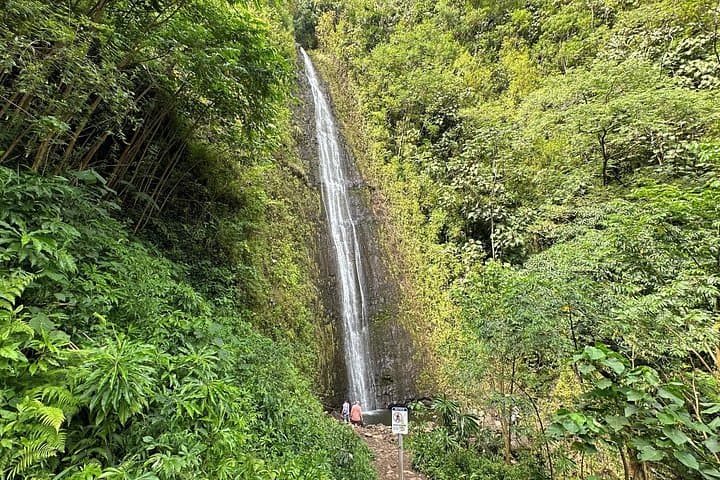
Pedal through Honolulu neighborhoods on an e-bike, then hike 0.8 miles and 300 feet up a jungle path to a 150-foot waterfall featured in films. This half-day tour combines local food, guided history, and dynamic photos for a compact Hawaiian adventure.
Pedal through Honolulu neighborhoods on an e-bike, then hike 0.8 miles and 300 feet up a jungle path to a 150-foot waterfall featured in films. This half-day tour combines local food, guided history, and dynamic photos for a compact Hawaiian adventure.
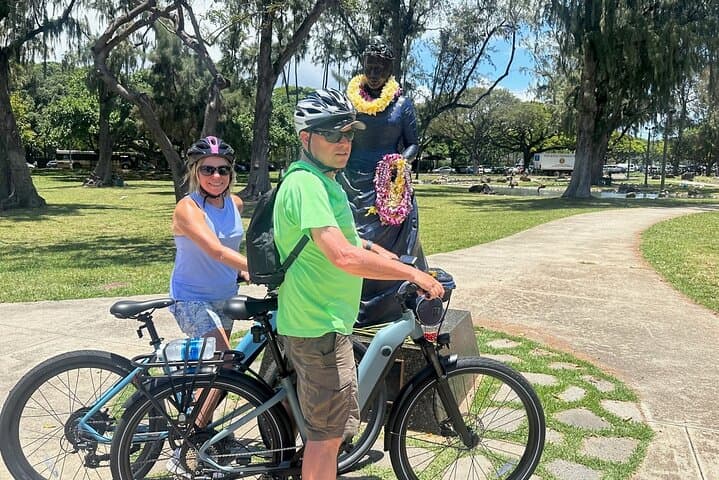
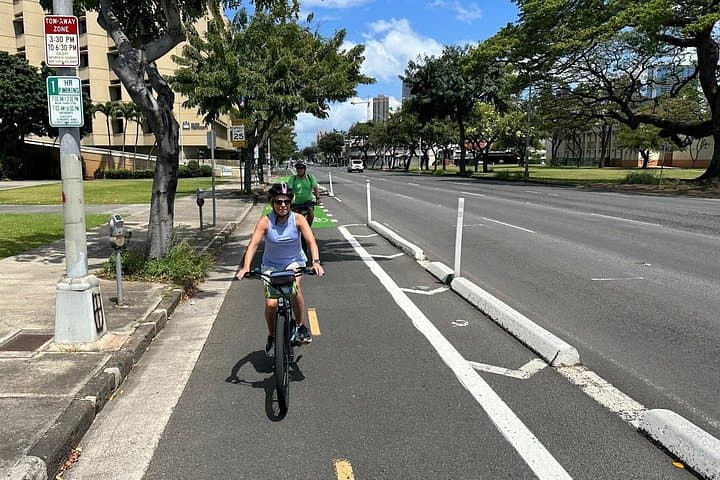
You start on two wheels beneath the warm Honolulu sun, the city’s hum fading as the electric assist carries you through Kapiolani Park and into tree-lined streets. The bike’s quiet motor punctuates your breathing while palms and banyans loom larger; by the time you reach Manoa Valley the air smells of wet earth and ginger. The trail climbs less than a mile but pushes 300 feet through a jungle that has doubled as movie set and living classroom.
Verified experiences and guided adventures in the surrounding area.
Operated by Bike Tour Hawaii · Honolulu, Hawaii
You start on two wheels beneath the warm Honolulu sun, the city’s hum fading as the electric assist carries you through Kapiolani Park and into tree-lined streets. The bike’s quiet motor punctuates your breathing while palms and banyans loom larger; by the time you reach Manoa Valley the air smells of wet earth and ginger. The trail climbs less than a mile but pushes 300 feet through a jungle that has doubled as movie set and living classroom.
Manoa Valley sits on the windward flank of the Koʻolau Range, a steep eroded shield volcano whose ridges funnel moisture into lush valleys. Polynesian settlers cultivated loʻi and kalo here for centuries; later, missionaries and the University of Hawaiʻi reshaped parts of the landscape. The waterfall itself plunges roughly 150 feet over basalt and ash layers—minerals that give the cliff face its dark, damp character.
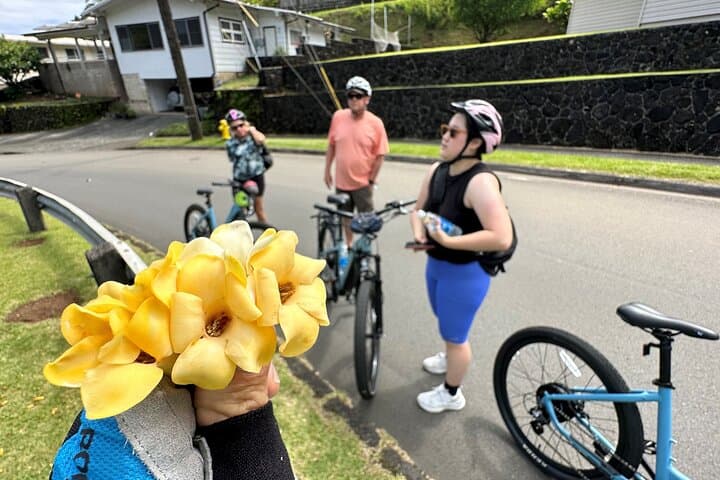
Expect a mix of paved neighborhood riding, gentle bike handling, and a short but often muddy hike to the falls. Guides point out historical stops—the Ala Wai Canal’s reshaping of Waikiki, university architecture, and local flora like guava and ʻōhiʻa—while offering dynamic photos and a commemorative video.
Practical guidance: wear closed shoes you don’t mind getting muddy, bring a lightweight rain shell and insect repellent, and plan for variable weather—flash floods can close the trail. The experience includes bottled water, Dole Whip vegan soft serve, and an inclusive healthy meal at a local café. It’s an approachable half-day outing that blends active travel, cultural context, and a classic Hawaiian waterfall finale.
moderate.
4–5 hours.
Moderate fitness: comfortable on an e-bike for 6–10 miles with a short uphill hike of ~0.8 mile and 300 ft elevation gain.
The hike is about 0.8 mile each way with roughly 300 feet of elevation gain; expect muddy sections and uneven footing.
Yes—participants should be comfortable on a bicycle; the e-bike assists pedaling but basic handling is required.
Families with older children who can hike on slippery terrain and ride bikes are usually fine; check age restrictions with the operator.
Tours may be canceled for heavy rain or flash flood risk; guides provide rain gear but safety decisions prioritize trail conditions.
Manoa Valley was an early agricultural area for Native Hawaiians and later became a filming location for films and TV shows, reflecting layers of cultural change.
Trails are sensitive to erosion—stay on the path, pack out trash, and avoid disturbing native plants to protect the valley’s fragile ecosystem.
Bike Tour Hawaii operates guided outdoor trips and adventures with an emphasis on safety, stewardship, and memorable experiences.
You start on two wheels beneath the warm Honolulu sun, the city’s hum fading as the electric assist carries you through Kapiolani Park and into tree-lined streets. The bike’s quiet motor punctuates your breathing while palms and banyans loom larger; by the time you reach Manoa Valley the air smells of wet earth and ginger. The trail climbs less than a mile but pushes 300 feet through a jungle that has doubled as movie set and living classroom.
You start on two wheels beneath the warm Honolulu sun, the city’s hum fading as the electric assist carries you through Kapiolani Park and into tree-lined streets. The bike’s quiet motor punctuates your breathing while palms and banyans loom larger; by the time you reach Manoa Valley the air smells of wet earth and ginger. The trail climbs less than a mile but pushes 300 feet through a jungle that has doubled as movie set and living classroom.
Manoa Valley sits on the windward flank of the Koʻolau Range, a steep eroded shield volcano whose ridges funnel moisture into lush valleys. Polynesian settlers cultivated loʻi and kalo here for centuries; later, missionaries and the University of Hawaiʻi reshaped parts of the landscape. The waterfall itself plunges roughly 150 feet over basalt and ash layers—minerals that give the cliff face its dark, damp character.
Expect a mix of paved neighborhood riding, gentle bike handling, and a short but often muddy hike to the falls. Guides point out historical stops—the Ala Wai Canal’s reshaping of Waikiki, university architecture, and local flora like guava and ʻōhiʻa—while offering dynamic photos and a commemorative video.
Practical guidance: wear closed shoes you don’t mind getting muddy, bring a lightweight rain shell and insect repellent, and plan for variable weather—flash floods can close the trail. The experience includes bottled water, Dole Whip vegan soft serve, and an inclusive healthy meal at a local café. It’s an approachable half-day outing that blends active travel, cultural context, and a classic Hawaiian waterfall finale.