THE ADVENTURE COLLECTIVE® · Independent discovery and booking for outdoor travel

Walk Intramuros and the historic heart of Manila on a focused two‑hour tour that stitches together fortress walls, colonial cathedrals, and preserved mansions. Expect cobbled lanes, brief stair sections, and local stories that bring centuries of history to life.
Walk Intramuros and the historic heart of Manila on a focused two‑hour tour that stitches together fortress walls, colonial cathedrals, and preserved mansions. Expect cobbled lanes, brief stair sections, and local stories that bring centuries of history to life.
Morning light hits cobbled streets and the air fills with the mingled smells of brewed coffee and old stone; here the city wears its history plainly, every arch and gated plaza a line in a long story. The two‑hour walking tour threads through Intramuros and the surrounding historic district, moving from fortress walls to grand cathedrals and quiet colonial mansions, each stop a measured pause that lets the past speak.
Verified experiences and guided adventures in the surrounding area.
Operated by Opatrip.com Philippines · Manila, Metro Manila
Morning light hits cobbled streets and the air fills with the mingled smells of brewed coffee and old stone; here the city wears its history plainly, every arch and gated plaza a line in a long story. The two‑hour walking tour threads through Intramuros and the surrounding historic district, moving from fortress walls to grand cathedrals and quiet colonial mansions, each stop a measured pause that lets the past speak.
This part of Manila was shaped by Spanish colonial planning, decades of trade, and the strategic sweep of Manila Bay. The ruins and restored facades reveal geology of reclaimed shorelines and alluvial plains; the city’s layout still favors defensive bastions and narrow lanes. Cultural layers show Spanish ecclesiastical influence, American colonial-era adjustments, and contemporary Filipino life—street vendors, church bells, and a living memory of wartime resilience.
Practically, expect mostly paved and cobbled paths with short stair sections and gentle slopes — easy footing but watch for uneven stones and midday heat. Bring water, a wide-brim hat, and comfortable walking shoes; aim for early morning or late afternoon to avoid the sun and heavy traffic. Public transit options and short taxi rides connect central hotels to Intramuros, and most stops are accessible to strollers though some older buildings have limited ramp access.
A local guide translates plaques into context and points out small details—inscribed dates, reused stones, and the city’s quieter viewpoints. The tour balances history and on-the-ground tips: where to grab a cold drink after the walk, how to respect active churches, and what to photograph for the clearest view of the fortress walls.
easy.
2 hours.
Suitable for most fitness levels; requires standing and walking on uneven surfaces for up to two hours.
The tour runs approximately two hours and covers multiple stops within Intramuros and nearby historic sites.
Yes—strollers are generally usable on main streets, though some interiors and staircases may not be accessible.
Admissions are typically not included; the tour focuses on exterior sites and commentary, with optional paid entries where applicable.
Guides are local and commonly speak English and Filipino; confirm language needs when booking for other languages.
Intramuros was established under Spanish rule as Manila’s fortified core; its walls and plazas reflect centuries of colonial administration, trade, and wartime reconstruction.
Ongoing heritage conservation focuses on restoring masonry and protecting historic structures while managing visitor impact and urban pollution.
Opatrip.com Philippines operates guided outdoor trips and adventures with an emphasis on safety, stewardship, and memorable experiences.
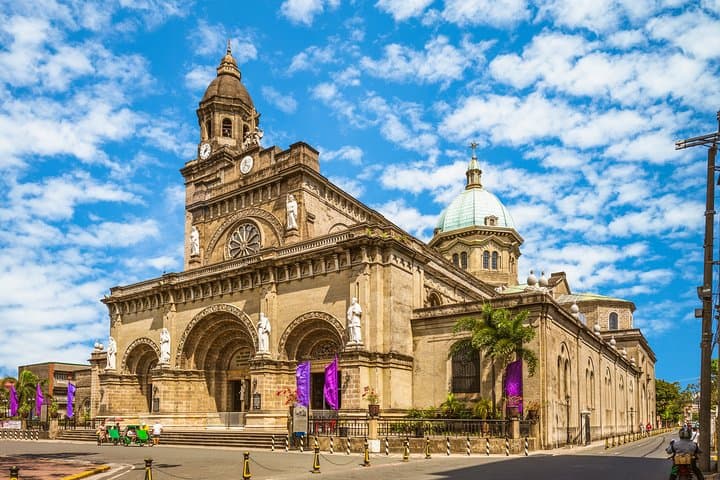

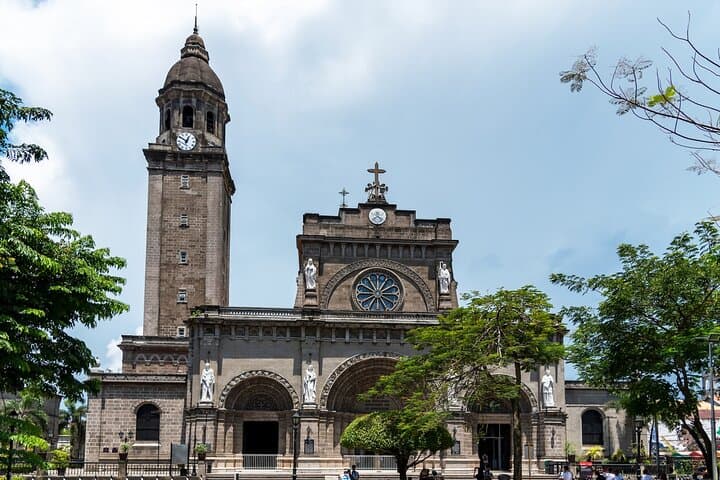
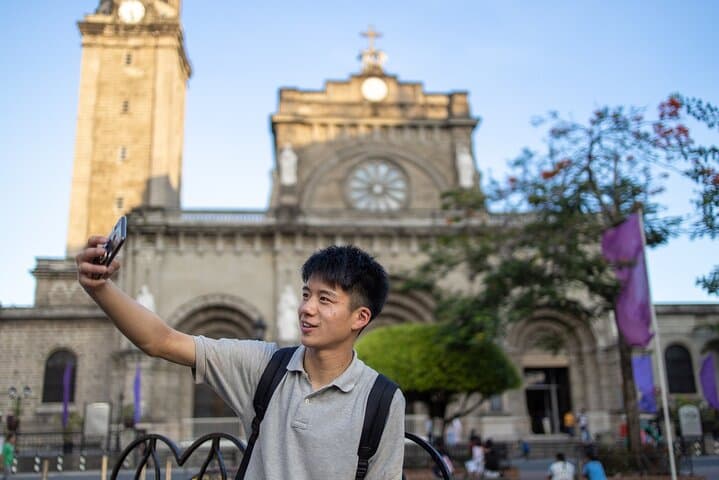
Morning light hits cobbled streets and the air fills with the mingled smells of brewed coffee and old stone; here the city wears its history plainly, every arch and gated plaza a line in a long story. The two‑hour walking tour threads through Intramuros and the surrounding historic district, moving from fortress walls to grand cathedrals and quiet colonial mansions, each stop a measured pause that lets the past speak.
Morning light hits cobbled streets and the air fills with the mingled smells of brewed coffee and old stone; here the city wears its history plainly, every arch and gated plaza a line in a long story. The two‑hour walking tour threads through Intramuros and the surrounding historic district, moving from fortress walls to grand cathedrals and quiet colonial mansions, each stop a measured pause that lets the past speak.
This part of Manila was shaped by Spanish colonial planning, decades of trade, and the strategic sweep of Manila Bay. The ruins and restored facades reveal geology of reclaimed shorelines and alluvial plains; the city’s layout still favors defensive bastions and narrow lanes. Cultural layers show Spanish ecclesiastical influence, American colonial-era adjustments, and contemporary Filipino life—street vendors, church bells, and a living memory of wartime resilience.
Practically, expect mostly paved and cobbled paths with short stair sections and gentle slopes — easy footing but watch for uneven stones and midday heat. Bring water, a wide-brim hat, and comfortable walking shoes; aim for early morning or late afternoon to avoid the sun and heavy traffic. Public transit options and short taxi rides connect central hotels to Intramuros, and most stops are accessible to strollers though some older buildings have limited ramp access.
A local guide translates plaques into context and points out small details—inscribed dates, reused stones, and the city’s quieter viewpoints. The tour balances history and on-the-ground tips: where to grab a cold drink after the walk, how to respect active churches, and what to photograph for the clearest view of the fortress walls.