THE ADVENTURE COLLECTIVE® · Independent discovery and booking for outdoor travel

Explore three distinct districts of Manila in a focused half-day: colonial Intramuros, historic Binondo, and the bustling markets of Tondo. This guided walk pairs food, history, and street-level culture with practical tips for urban navigation.
Explore three distinct districts of Manila in a focused half-day: colonial Intramuros, historic Binondo, and the bustling markets of Tondo. This guided walk pairs food, history, and street-level culture with practical tips for urban navigation.
You step off a jeepney and into a city that argues with itself — the Pasig River nudges at the edge of sight while narrow alleys breathe with vendors and voices. This half-day guided walk threads three faces of Manila: the cobbled courtyards of Intramuros, the lantern-lit lanes of Binondo, and the dense markets of Tondo.
Verified experiences and guided adventures in the surrounding area.
Operated by MstarToursPh · Manila, Metro Manila
You step off a jeepney and into a city that argues with itself — the Pasig River nudges at the edge of sight while narrow alleys breathe with vendors and voices. This half-day guided walk threads three faces of Manila: the cobbled courtyards of Intramuros, the lantern-lit lanes of Binondo, and the dense markets of Tondo.
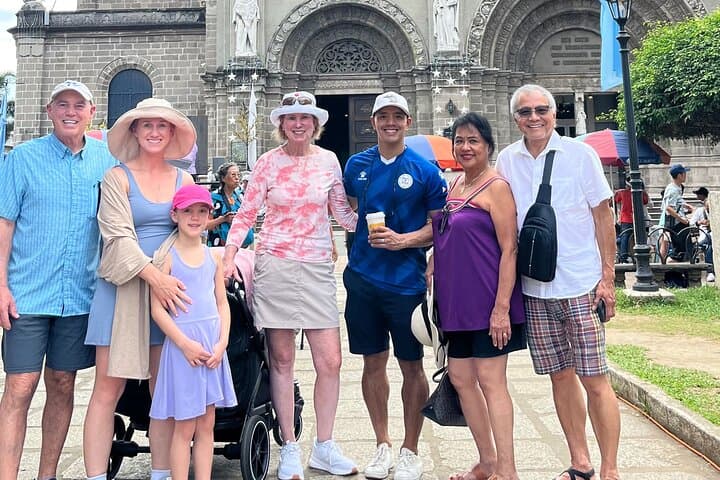
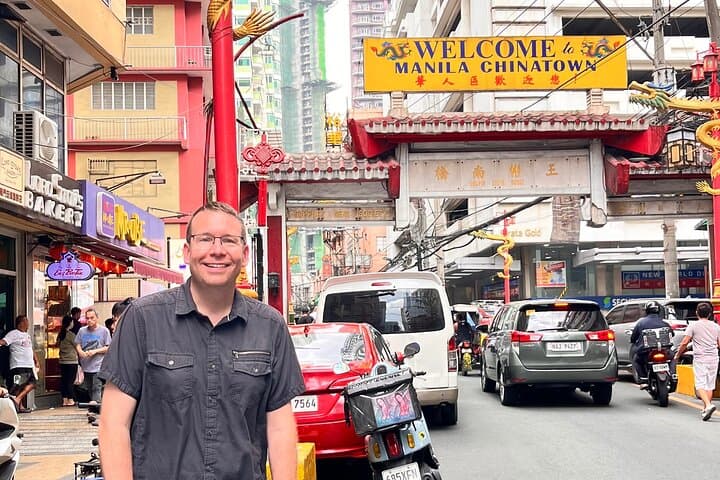
Intramuros holds Spanish-era stone, bastions like Fort Santiago and the cathedral where colonial history meets modern worship. Binondo, the world’s oldest Chinatown, grew from merchant networks linking Chinese and Filipino families; expect tight streets, century-old bakeries, and food stalls serving pancit and lumpia. Tondo’s markets (think Divisoria-style bustle) reveal Manila’s working-city economy — barter, bargaining and bright plastic wares stacked shoulder-high. Geologically the area sits on alluvial plain by the Pasig; historically it’s a layering of pre-colonial settlements, colonial defenses, and 20th-century urban growth.
Practical guidance: the route covers roughly 3 hours and a few kilometers of mostly flat, urban pavement with intermittent cobblestone in Intramuros and uneven sidewalks elsewhere. Wear closed-toe shoes, bring cash for small stalls, and expect humid conditions; a light rain jacket is wise in wet months. The guide typically moves the group by foot with short jeepney or tuk-tuk segments; cameras, respectful dress for churches, and a basic awareness of traffic will make the morning smoother.
This tour balances culinary stops, architecture, and street-life observation — an efficient primer on Manila’s layered identity and urban energy.
moderate.
3 hours.
Suitable for most fitness levels; requires standing and walking for several consecutive hours on uneven urban surfaces.
The tour lasts about 3 hours and covers a few kilometers of mostly flat city streets with short vehicle segments; expect steady walking with pauses at sights and food stops.
Yes—most ages can participate, but people with serious mobility issues, spinal concerns, or pregnant travelers are advised not to join due to crowded streets and uneven surfaces.
Guides typically speak English and Filipino; check the operator for specifics or requests for other languages.
The itinerary notes some entrance fees and short public-transport segments (jeepney/tuk-tuk) are included; confirm at booking for exact inclusions.
Intramuros was the Spanish colonial seat from the 16th century and contains Fort Santiago, while Binondo was established by Chinese merchants as a trading district under Spanish rule.
Urban growth and river pollution are ongoing issues; small actions like minimizing plastic waste during market visits and supporting local conservation groups help reduce impact.
MstarToursPh operates guided outdoor trips and adventures with an emphasis on safety, stewardship, and memorable experiences.


You step off a jeepney and into a city that argues with itself — the Pasig River nudges at the edge of sight while narrow alleys breathe with vendors and voices. This half-day guided walk threads three faces of Manila: the cobbled courtyards of Intramuros, the lantern-lit lanes of Binondo, and the dense markets of Tondo.
You step off a jeepney and into a city that argues with itself — the Pasig River nudges at the edge of sight while narrow alleys breathe with vendors and voices. This half-day guided walk threads three faces of Manila: the cobbled courtyards of Intramuros, the lantern-lit lanes of Binondo, and the dense markets of Tondo.
Intramuros holds Spanish-era stone, bastions like Fort Santiago and the cathedral where colonial history meets modern worship. Binondo, the world’s oldest Chinatown, grew from merchant networks linking Chinese and Filipino families; expect tight streets, century-old bakeries, and food stalls serving pancit and lumpia. Tondo’s markets (think Divisoria-style bustle) reveal Manila’s working-city economy — barter, bargaining and bright plastic wares stacked shoulder-high. Geologically the area sits on alluvial plain by the Pasig; historically it’s a layering of pre-colonial settlements, colonial defenses, and 20th-century urban growth.
Practical guidance: the route covers roughly 3 hours and a few kilometers of mostly flat, urban pavement with intermittent cobblestone in Intramuros and uneven sidewalks elsewhere. Wear closed-toe shoes, bring cash for small stalls, and expect humid conditions; a light rain jacket is wise in wet months. The guide typically moves the group by foot with short jeepney or tuk-tuk segments; cameras, respectful dress for churches, and a basic awareness of traffic will make the morning smoother.
This tour balances culinary stops, architecture, and street-life observation — an efficient primer on Manila’s layered identity and urban energy.