THE ADVENTURE COLLECTIVE® · Independent discovery and booking for outdoor travel

Explore the private rooms of Prince Mohamed Ali at Manial Palace, check the ancient Nilometer, and climb Cairo Tower for sweeping Nile views. This half‑day private tour mixes intimate heritage sites with a modern skyline vantage point.
Explore the private rooms of Prince Mohamed Ali at Manial Palace, check the ancient Nilometer, and climb Cairo Tower for sweeping Nile views. This half‑day private tour mixes intimate heritage sites with a modern skyline vantage point.
You step out of an air‑conditioned vehicle into the heat-tinged air of Cairo, the Nile pulling a steady current through the city like a long, patient story. The tour moves from the intimate rooms and gardens of Manial Palace—where carved wood and Ottoman-Mamluk furnishings hold the conversation of a bygone elite—to the Nile’s edge at Al Roda Island, where the Nilometer still records the river’s mood.
Verified experiences and guided adventures in the surrounding area.
Operated by Sun Pyramids Tours · Cairo, Cairo Governorate
You step out of an air‑conditioned vehicle into the heat-tinged air of Cairo, the Nile pulling a steady current through the city like a long, patient story. The tour moves from the intimate rooms and gardens of Manial Palace—where carved wood and Ottoman-Mamluk furnishings hold the conversation of a bygone elite—to the Nile’s edge at Al Roda Island, where the Nilometer still records the river’s mood.
Manial Palace (Prince Mohamed Ali’s residence) dates to the early 20th century and offers a close look at royal domestic life, tiled courtyards and a small mummified animal collection tied to older Egyptian practices. The nearby Nilometer is an ancient hydrological instrument reflecting Egypt’s long relationship with the Nile; later, the modern lattice of the Cairo Tower rises like a steel lotus, completed in the 1960s to redefine the skyline and give panoramic views of the city’s layered history.
Expect a mix of paved pathways, low stairs inside heritage rooms, and open-air viewpoints from the tower observation deck. Guides typically weave cultural context—Mohamed Ali dynasty influences, urban expansion on Gezira Island—and point out practical sights: ferry slips, riverside cafés and the green ribbon of the Corniche.
Practical guidance: bring sun protection and comfortable walking shoes, carry small bills for tips and souvenirs, and plan the visit for morning or late afternoon to avoid peak heat and maximize light for photography. The route is largely accessible with assistance and makes a focused half‑to‑full day primer on Cairo’s layered past and its relationship with the Nile.
easy.
6 hours.
Suitable for travelers who can walk short distances and climb a few flights of stairs; minimal exertion required.
Yes—roundtrip pickup and drop-off in an air-conditioned private vehicle from central Cairo hotels is included; some outlying areas may incur an extra charge.
Admissions to Manial Palace, the Nilometer and Cairo Tower are included in the tour price, and a lunch is provided as stated in the inclusions.
The tour is listed as wheelchair accessible; most outdoor areas and the vehicle are accessible, but some historic rooms may have low thresholds or narrow doorways—check with the operator for details.
Cool, dry months (late autumn through early spring) offer the most comfortable conditions; mornings and late afternoons are best in summer.
Manial Palace was built by Prince Mohamed Ali in the early 20th century and combines Ottoman, Mamluk and European decorative influences; Cairo Tower was completed in 1961 and redesigned the city skyline.
Visitors are encouraged to avoid littering along the Nile and to respect museum guidelines—conservation of textiles and wooden elements is ongoing in historic homes.
Sun Pyramids Tours operates guided outdoor trips and adventures with an emphasis on safety, stewardship, and memorable experiences.
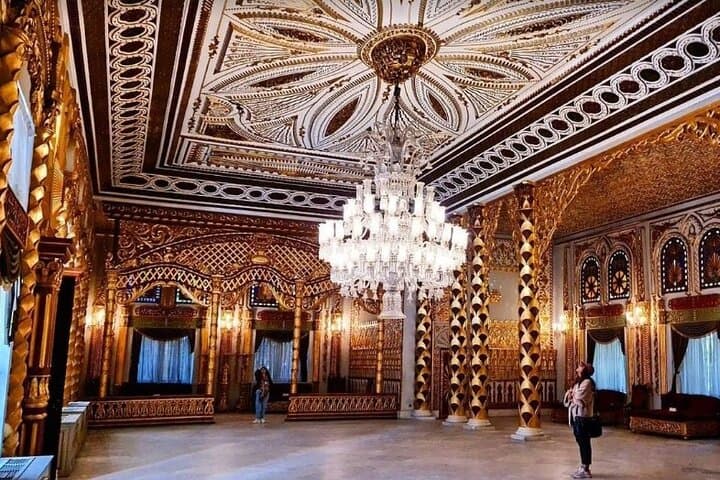
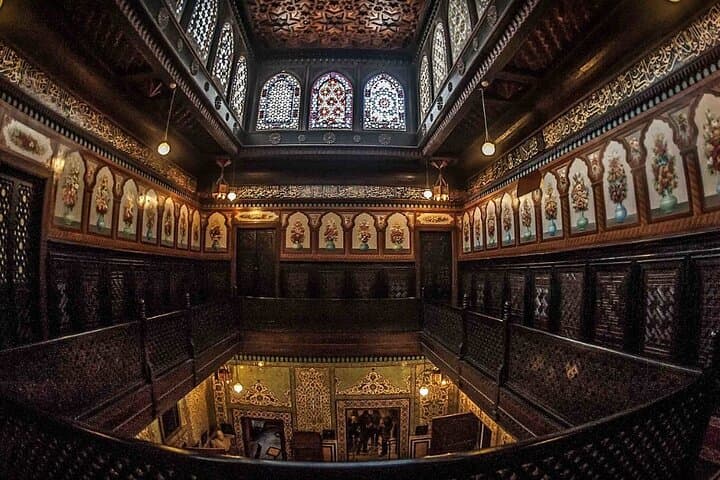
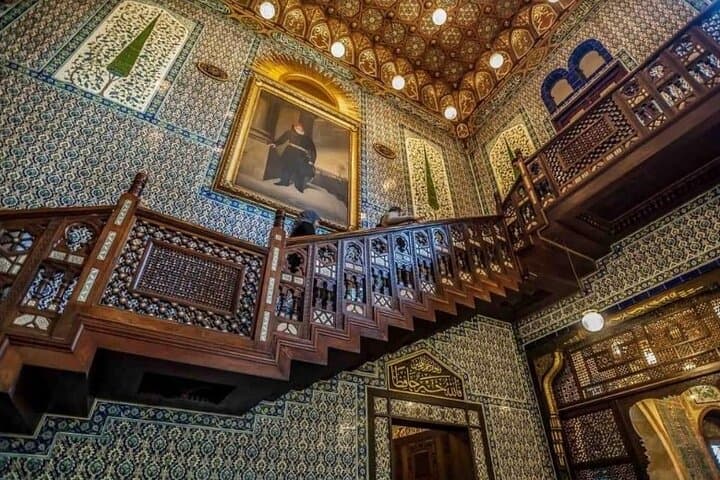
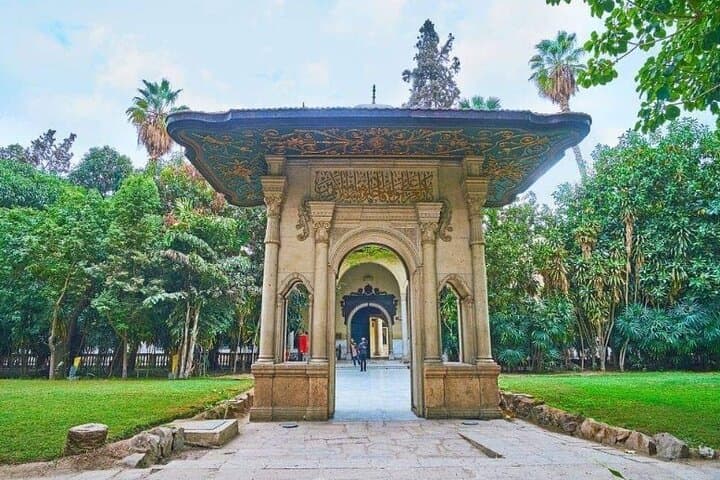
You step out of an air‑conditioned vehicle into the heat-tinged air of Cairo, the Nile pulling a steady current through the city like a long, patient story. The tour moves from the intimate rooms and gardens of Manial Palace—where carved wood and Ottoman-Mamluk furnishings hold the conversation of a bygone elite—to the Nile’s edge at Al Roda Island, where the Nilometer still records the river’s mood.
You step out of an air‑conditioned vehicle into the heat-tinged air of Cairo, the Nile pulling a steady current through the city like a long, patient story. The tour moves from the intimate rooms and gardens of Manial Palace—where carved wood and Ottoman-Mamluk furnishings hold the conversation of a bygone elite—to the Nile’s edge at Al Roda Island, where the Nilometer still records the river’s mood.
Manial Palace (Prince Mohamed Ali’s residence) dates to the early 20th century and offers a close look at royal domestic life, tiled courtyards and a small mummified animal collection tied to older Egyptian practices. The nearby Nilometer is an ancient hydrological instrument reflecting Egypt’s long relationship with the Nile; later, the modern lattice of the Cairo Tower rises like a steel lotus, completed in the 1960s to redefine the skyline and give panoramic views of the city’s layered history.
Expect a mix of paved pathways, low stairs inside heritage rooms, and open-air viewpoints from the tower observation deck. Guides typically weave cultural context—Mohamed Ali dynasty influences, urban expansion on Gezira Island—and point out practical sights: ferry slips, riverside cafés and the green ribbon of the Corniche.
Practical guidance: bring sun protection and comfortable walking shoes, carry small bills for tips and souvenirs, and plan the visit for morning or late afternoon to avoid peak heat and maximize light for photography. The route is largely accessible with assistance and makes a focused half‑to‑full day primer on Cairo’s layered past and its relationship with the Nile.