THE ADVENTURE COLLECTIVE® · Independent discovery and booking for outdoor travel

Walk from Wall Street through Chinatown and Little Italy, then spend two hours inside MoMA viewing world‑famous modern art. This compact half‑day pairing blends New York history and culture with practical tips for planning.
Walk from Wall Street through Chinatown and Little Italy, then spend two hours inside MoMA viewing world‑famous modern art. This compact half‑day pairing blends New York history and culture with practical tips for planning.
The city opens around you — the floorboards of Wall Street echo underfoot, bronze bulls and a lone Revolutionary watchman keep their hours, and the skyscrapers slice the winter light into clean, impatient beams.
Verified experiences and guided adventures in the surrounding area.
Operated by TOP SIGHTS TOURS LLC · New York, New York
The city opens around you — the floorboards of Wall Street echo underfoot, bronze bulls and a lone Revolutionary watchman keep their hours, and the skyscrapers slice the winter light into clean, impatient beams.
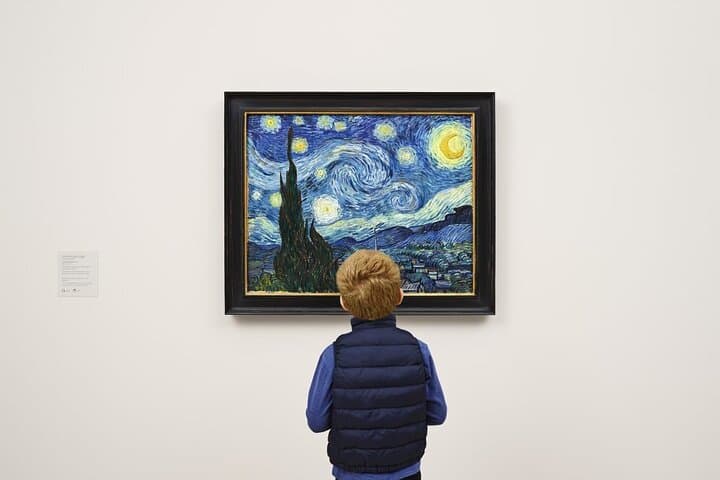
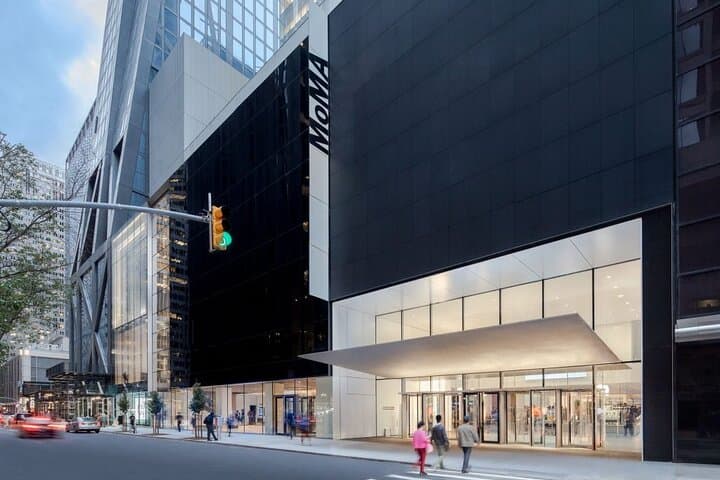
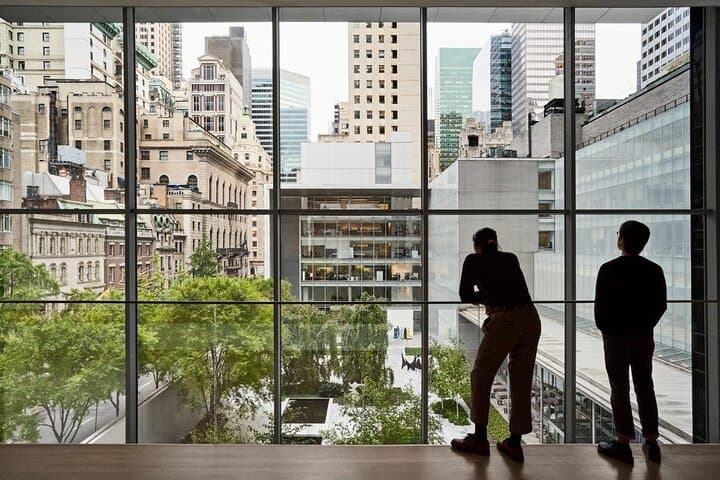
This tour threads Lower Manhattan’s oldest corners into a single route: Federal Hall and the New York Stock Exchange, the quiet gravity of the 9/11 Memorial, the cramped streets and immigrant stories of Five Points, Chinatown’s chopstick rhythm, Little Italy’s fading stoops, and the upward swing toward Midtown’s Flatiron. The narrative then flips from urban history to modernist art with a 2‑hour visit to MoMA to see Starry Night, Water Lilies, Campbell’s Soup Cans and Dalí’s melting clocks.
Geology peeks through the cityscape — Manhattan Schist underpins the island and made these towers possible — while cultural layers reveal nineteenth‑century gangs, waves of migration, and a 20th‑century art revolution that MoMA helped shape.
Practical guidance: expect roughly 3 hours of walking on mostly flat city pavement and about 2 hours in the museum (your guide hands you the MoMA ticket at tour end and won’t accompany you inside). Security screening at MoMA is standard; arrive ten minutes early at Federal Hall (26 Wall St). Wear supportive shoes, carry water and a transit card, and shelter small electronics during museum queues. Peak times are mid‑day; early departures mean thinner sidewalks and quicker photo stops. This is an accessible, low‑technical outing that delivers a compact, layered view of New York’s past and its modern artistic heartbeat.
easy.
4.5–5 hours.
Suitable for anyone comfortable with several hours of walking and standing; minimal hills and no technical demands.
No — the guide provides the MoMA ticket at the end of the walking tour; your visit inside the museum is self‑guided for the allotted two hours.
Yes — meeting point, route, and MoMA access accommodate wheelchairs; notify booking of any special requirements ahead of time.
No — the guide will point out recommended local eateries in Chinatown and Little Italy, but food is not included in the ticket price.
The tour runs rain or shine; bring a lightweight rain jacket — cancellations are allowed up to 24 hours before the departure for a full refund.
Lower Manhattan’s Five Points was a 19th‑century immigrant enclave shaped by Irish and Italian arrivals and earlier Dutch and British colonial development; MoMA, founded in 1929, played a pivotal role in defining modern art in the U.S.
City tours have a small footprint but respect for sidewalks, waste disposal, and museum rules helps preserve historic streetscapes and gallery spaces for future visitors.
TOP SIGHTS TOURS LLC operates guided outdoor trips and adventures with an emphasis on safety, stewardship, and memorable experiences.
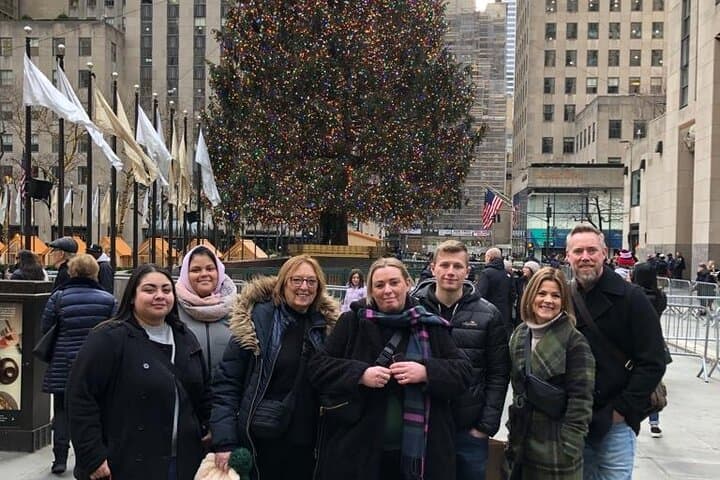
The city opens around you — the floorboards of Wall Street echo underfoot, bronze bulls and a lone Revolutionary watchman keep their hours, and the skyscrapers slice the winter light into clean, impatient beams.
The city opens around you — the floorboards of Wall Street echo underfoot, bronze bulls and a lone Revolutionary watchman keep their hours, and the skyscrapers slice the winter light into clean, impatient beams.
This tour threads Lower Manhattan’s oldest corners into a single route: Federal Hall and the New York Stock Exchange, the quiet gravity of the 9/11 Memorial, the cramped streets and immigrant stories of Five Points, Chinatown’s chopstick rhythm, Little Italy’s fading stoops, and the upward swing toward Midtown’s Flatiron. The narrative then flips from urban history to modernist art with a 2‑hour visit to MoMA to see Starry Night, Water Lilies, Campbell’s Soup Cans and Dalí’s melting clocks.
Geology peeks through the cityscape — Manhattan Schist underpins the island and made these towers possible — while cultural layers reveal nineteenth‑century gangs, waves of migration, and a 20th‑century art revolution that MoMA helped shape.
Practical guidance: expect roughly 3 hours of walking on mostly flat city pavement and about 2 hours in the museum (your guide hands you the MoMA ticket at tour end and won’t accompany you inside). Security screening at MoMA is standard; arrive ten minutes early at Federal Hall (26 Wall St). Wear supportive shoes, carry water and a transit card, and shelter small electronics during museum queues. Peak times are mid‑day; early departures mean thinner sidewalks and quicker photo stops. This is an accessible, low‑technical outing that delivers a compact, layered view of New York’s past and its modern artistic heartbeat.