THE ADVENTURE COLLECTIVE® · Independent discovery and booking for outdoor travel

Walk Lower Manhattan with guides who map the city’s hidden networks of resistance — from Fort Amsterdam to the African Burial Ground. This 2–3 hour history walk situates the Underground Railroad within New York’s often pro‑slavery past and modern memorial landscape.
Walk Lower Manhattan with guides who map the city’s hidden networks of resistance — from Fort Amsterdam to the African Burial Ground. This 2–3 hour history walk situates the Underground Railroad within New York’s often pro‑slavery past and modern memorial landscape.
You step off the curb in Lower Manhattan and the city’s layered past presses against you: brick sidewalks, cast-iron facades, and the hollow quiet of a memorial where hundreds of buried lives once lay unmarked.
Verified experiences and guided adventures in the surrounding area.
Operated by Kaissa Tours · New York, NY
You step off the curb in Lower Manhattan and the city’s layered past presses against you: brick sidewalks, cast-iron facades, and the hollow quiet of a memorial where hundreds of buried lives once lay unmarked.
This two- to three-hour walking tour traces routes of resistance and concealment — from the site of Fort Amsterdam through Tribeca and down to the African Burial Ground Memorial. Guides place the Underground Railroad in the context of an antebellum New York that was legally pro-slavery, where free Black communities, abolitionists, and escaping people negotiated hostile streets and the threat of slave-catchers. Along Pearl and Wall Streets you’ll hear stories of David Ruggles, the networks of private homes and churches, and the city’s role in the commerce that perpetuated bondage.
Geology and geography matter here: Manhattan’s bedrock and waterfront shaped where forts, markets, and docks were built, concentrating populations and surveillance at the island’s southern tip. Cultural landmarks — Federal Hall, the Custom House, and lesser-known meeting houses — anchor the narrative in architecture and urban change.
Practically, expect steady walking on paved sidewalks with frequent stops for interpretation. Wear supportive shoes, bring transit fare or a MetroCard, and allow time after the tour to visit the African Burial Ground Visitor Center. Respect burial sites and private property; photography is common but guided etiquette should be followed. This walk is history-forward and city-smart: it asks you to listen closely to voices often left out of standard maps.
moderate.
2–3 hours.
Moderate level of fitness—able to stand and walk for extended periods with brief stops
The guide waits in front of the Citibank branch specified in your booking confirmation; arrive 10–15 minutes early to check in.
Much of the route is on paved, wheelchair-accessible sidewalks; organizers note accessibility but suggest contacting the operator about specific needs.
Full refunds are available if you cancel at least 24 hours before the tour; check the booking confirmation for exact terms.
The itinerary primarily includes outdoor stops and exterior interpretive talks; some locations may involve short interior visits depending on scheduling.
Lower Manhattan was the commercial and legal center during Dutch and British rule; antebellum New York upheld slavery legally even as abolitionist and Black-led resistance grew.
The African Burial Ground was reclaimed through urban archaeology and public advocacy; visitors are asked to support preservation by staying on paths and following site rules.
Kaissa Tours operates guided outdoor trips and adventures with an emphasis on safety, stewardship, and memorable experiences.
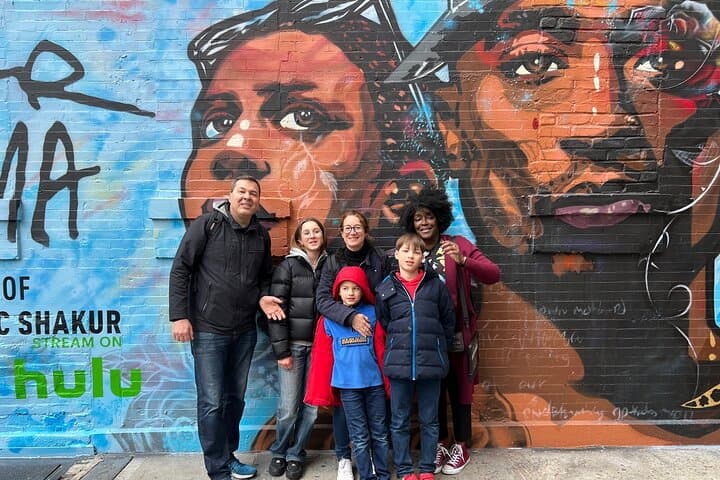
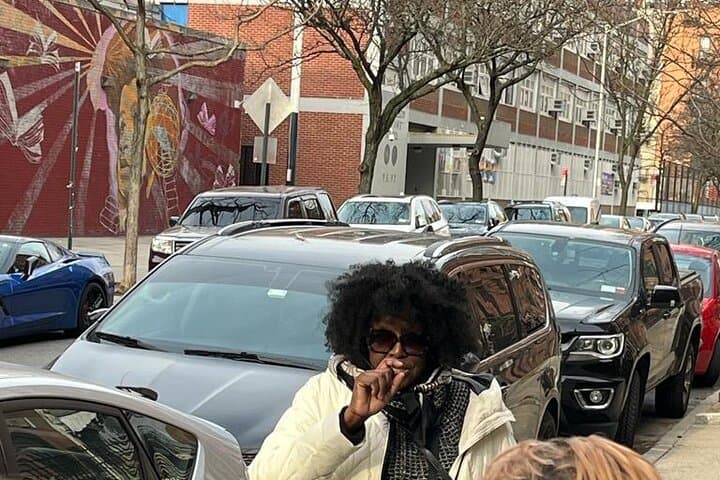
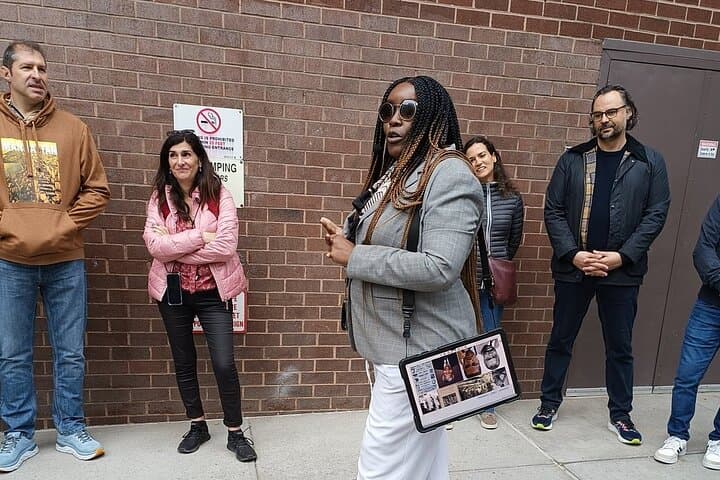
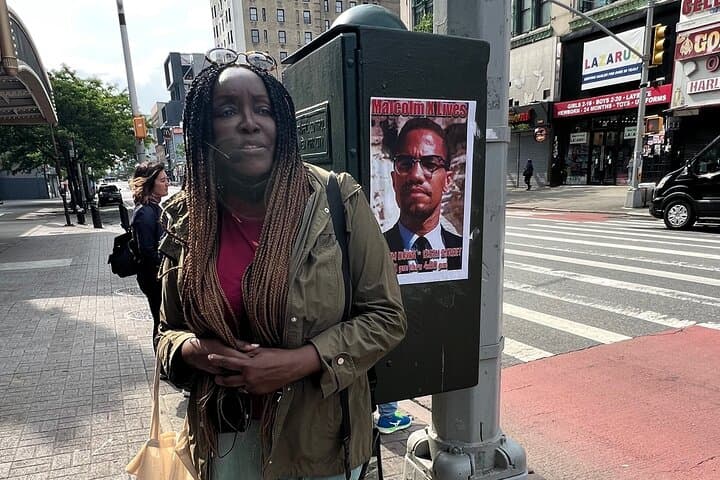
You step off the curb in Lower Manhattan and the city’s layered past presses against you: brick sidewalks, cast-iron facades, and the hollow quiet of a memorial where hundreds of buried lives once lay unmarked.
You step off the curb in Lower Manhattan and the city’s layered past presses against you: brick sidewalks, cast-iron facades, and the hollow quiet of a memorial where hundreds of buried lives once lay unmarked.
This two- to three-hour walking tour traces routes of resistance and concealment — from the site of Fort Amsterdam through Tribeca and down to the African Burial Ground Memorial. Guides place the Underground Railroad in the context of an antebellum New York that was legally pro-slavery, where free Black communities, abolitionists, and escaping people negotiated hostile streets and the threat of slave-catchers. Along Pearl and Wall Streets you’ll hear stories of David Ruggles, the networks of private homes and churches, and the city’s role in the commerce that perpetuated bondage.
Geology and geography matter here: Manhattan’s bedrock and waterfront shaped where forts, markets, and docks were built, concentrating populations and surveillance at the island’s southern tip. Cultural landmarks — Federal Hall, the Custom House, and lesser-known meeting houses — anchor the narrative in architecture and urban change.
Practically, expect steady walking on paved sidewalks with frequent stops for interpretation. Wear supportive shoes, bring transit fare or a MetroCard, and allow time after the tour to visit the African Burial Ground Visitor Center. Respect burial sites and private property; photography is common but guided etiquette should be followed. This walk is history-forward and city-smart: it asks you to listen closely to voices often left out of standard maps.