THE ADVENTURE COLLECTIVE® · Independent discovery and booking for outdoor travel

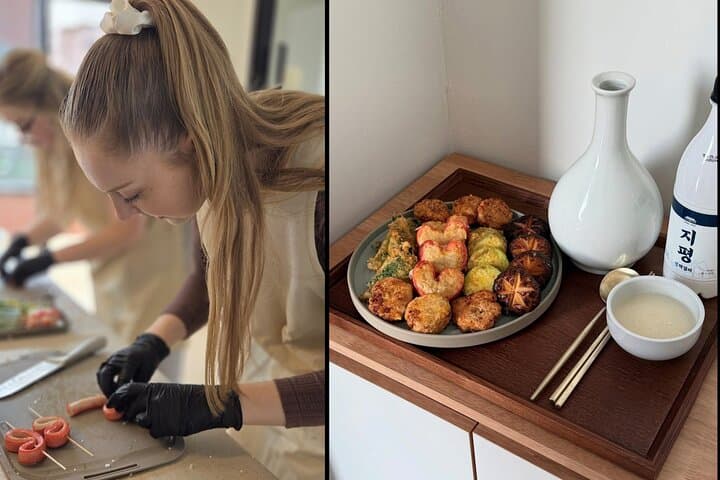
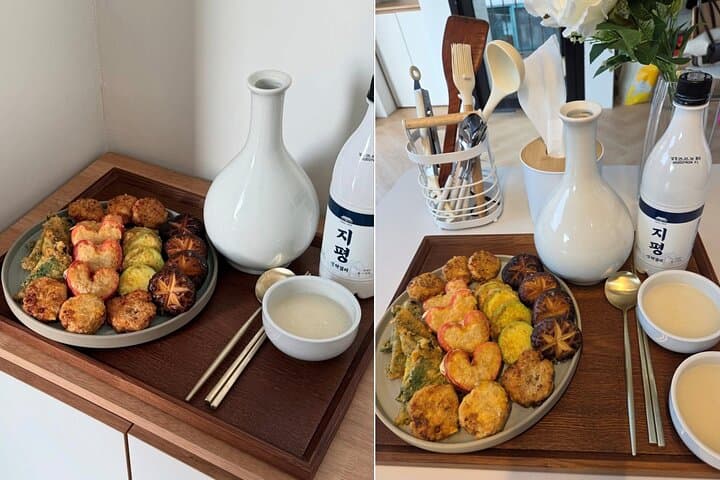
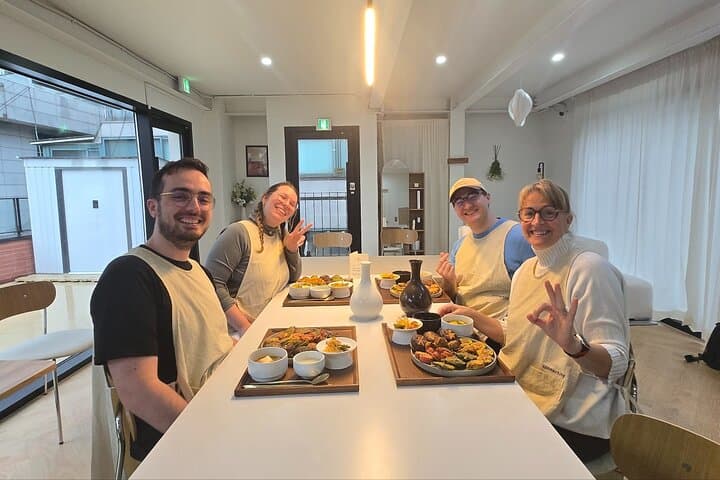
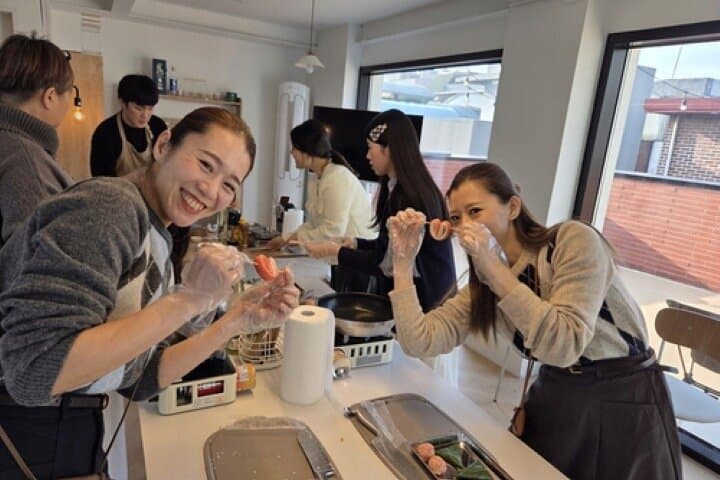
Wander Mangwon Market with a Michelin-trained chef, shop for seasonal produce, and learn to make jeon, kimchi, namul, and seafood soup in a hands-on 2.5-hour class. Small, English-speaking groups make this a practical introduction to Seoul’s home cooking.
Wander Mangwon Market with a Michelin-trained chef, shop for seasonal produce, and learn to make jeon, kimchi, namul, and seafood soup in a hands-on 2.5-hour class. Small, English-speaking groups make this a practical introduction to Seoul’s home cooking.
You step out of Mangwon Station into a lane where steam and spice hang in the air—vendors calling, rice cakes wrapped in paper, and the sharp salt of fresh fish at a nearby stall. The class begins here, moving through narrow alleys of Mangwon Market where a Michelin-trained chef points out the exact radish, scallion and dried anchovy that will shape the day’s flavors.
Verified experiences and guided adventures in the surrounding area.
Operated by SEOUL PASS · Seoul, Seoul
You step out of Mangwon Station into a lane where steam and spice hang in the air—vendors calling, rice cakes wrapped in paper, and the sharp salt of fresh fish at a nearby stall. The class begins here, moving through narrow alleys of Mangwon Market where a Michelin-trained chef points out the exact radish, scallion and dried anchovy that will shape the day’s flavors.
Mangwon Market has been a neighborhood hub since the mid-20th century, a local counterpoint to Seoul’s larger wholesale markets. Geologically, the area sits on the low-rolling terrain of the Han River plain—soil that has long supported vegetable plots feeding the city—so the market’s seasonal produce tells a story of river-fed plains and urban demand.
Culturally the experience pairs street-food immediacy with formal technique: jeon (pancakes) cooked hot on a griddle, a communal kimchi tasting, and a seafood soup adjusted for balance rather than heat. Expect conversations about fermentation, rice wine (the first glass of makgeolli is included), and how to source the freshest ingredients in an active market.
Practically: this is a small, English-speaking, hands-on class lasting roughly 2.5 hours. Wear closed-toe shoes for market lanes, tell the host about allergies in advance, and bring a card or small bills for extra market treats. The pace mixes standing prep and seated tasting; the chef’s background elevates technique while keeping recipes travel-friendly—perfect for travelers who want food knowledge they can re-create at home.
easy.
2–3 hours.
Light activity; comfortable standing and moderate mobility required for market walking and food prep
The experience runs about 150 minutes (roughly 2.5 hours), including a guided market walk and a hands-on cooking session with tasting.
Yes—if you inform the operator at booking, the chef can modify dishes and ingredients to accommodate vegetarian or vegan diets when possible.
The market portion is outdoors; the class proceeds in most weather, but check cancellation or change policies—this operator lists bookings as final.
Participants must be 15 years or older, so younger children are not permitted in this class.
Mangwon Market grew as a neighborhood market after the Korean War, evolving from small family stalls to a compact market known for affordable, seasonal produce that feeds Mapo-gu households.
Vendors increasingly offer reusable containers and limits on single-use plastics; visitors can support sustainability by minimizing packaging and buying directly from local sellers.
SEOUL PASS operates guided outdoor trips and adventures with an emphasis on safety, stewardship, and memorable experiences.
You step out of Mangwon Station into a lane where steam and spice hang in the air—vendors calling, rice cakes wrapped in paper, and the sharp salt of fresh fish at a nearby stall. The class begins here, moving through narrow alleys of Mangwon Market where a Michelin-trained chef points out the exact radish, scallion and dried anchovy that will shape the day’s flavors.
You step out of Mangwon Station into a lane where steam and spice hang in the air—vendors calling, rice cakes wrapped in paper, and the sharp salt of fresh fish at a nearby stall. The class begins here, moving through narrow alleys of Mangwon Market where a Michelin-trained chef points out the exact radish, scallion and dried anchovy that will shape the day’s flavors.
Mangwon Market has been a neighborhood hub since the mid-20th century, a local counterpoint to Seoul’s larger wholesale markets. Geologically, the area sits on the low-rolling terrain of the Han River plain—soil that has long supported vegetable plots feeding the city—so the market’s seasonal produce tells a story of river-fed plains and urban demand.
Culturally the experience pairs street-food immediacy with formal technique: jeon (pancakes) cooked hot on a griddle, a communal kimchi tasting, and a seafood soup adjusted for balance rather than heat. Expect conversations about fermentation, rice wine (the first glass of makgeolli is included), and how to source the freshest ingredients in an active market.
Practically: this is a small, English-speaking, hands-on class lasting roughly 2.5 hours. Wear closed-toe shoes for market lanes, tell the host about allergies in advance, and bring a card or small bills for extra market treats. The pace mixes standing prep and seated tasting; the chef’s background elevates technique while keeping recipes travel-friendly—perfect for travelers who want food knowledge they can re-create at home.