THE ADVENTURE COLLECTIVE® · Independent discovery and booking for outdoor travel

Walk 3.5 km of boardwalks and shaded trails through a living estuary outside Quepos, Costa Rica. Observe white-faced capuchins, herons, and hummingbirds while learning about mangrove ecology and local botanical uses.
Walk 3.5 km of boardwalks and shaded trails through a living estuary outside Quepos, Costa Rica. Observe white-faced capuchins, herons, and hummingbirds while learning about mangrove ecology and local botanical uses.
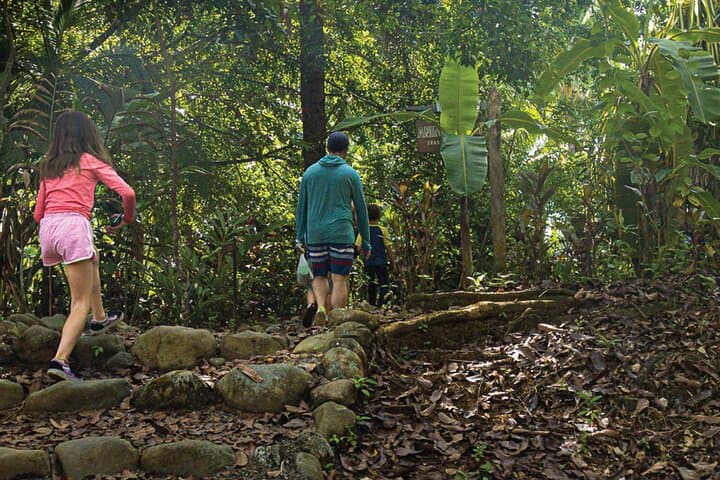
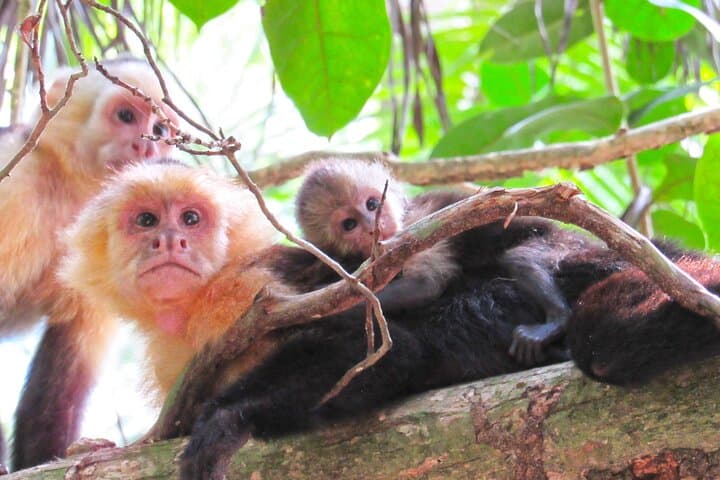
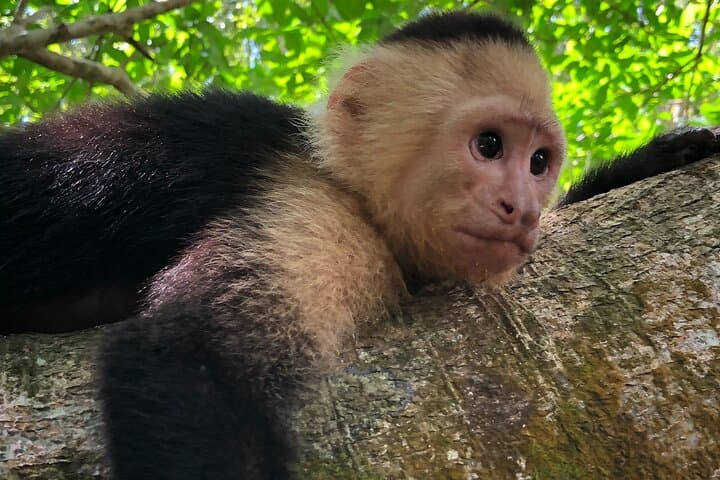
The boardwalk dips into shade and salt-scented air; mangrove roots braid like the ribs of the shoreline, and a troop of white-faced capuchins chat from the canopy overhead. Wind teases the water’s skin as kingfishers and herons cut the light — the mangrove dares you to move quietly and notice.
Verified experiences and guided adventures in the surrounding area.
Operated by Nacarcosta Wildlife Adventure · Quepos, Puntarenas
The boardwalk dips into shade and salt-scented air; mangrove roots braid like the ribs of the shoreline, and a troop of white-faced capuchins chat from the canopy overhead. Wind teases the water’s skin as kingfishers and herons cut the light — the mangrove dares you to move quietly and notice.
This walk follows roughly 3.5 kilometers of enabled trails through a tropical estuary just outside Quepos, where the mix of tidal action and volcanic soils has created a nutrient-rich nursery. Mangroves here have long supported local fishing communities and act as natural flood buffers — an ecological line between ocean and land that’s also culturally valued for medicinal and edible plants found in nearby botanical gardens.
Expect a patchwork of soft mud, raised boardwalks and shaded platforms designed for observation. Interpretive points highlight a bamboo garden with ten species, an outdoor butterfly area and a small hummingbird island tucked into the quieter channels. The terrain is flat and accessible; wildlife encounters are common but never guaranteed — bring patience and a soft voice.
Practical guide: plan for 2–3 hours, arrive in the cooler morning or late afternoon when animals are most active, and wear waterproof shoes that can handle muddy approaches. Bring a refillable water bottle, binoculars and sun protection; snacks such as fresh fruit are often provided. Respect park rules: stay on trails, avoid feeding animals and move slowly on viewing platforms to minimize disturbance. This short, easy hike rewards attention: quiet footsteps here reveal a working coastline where life adapts at the water’s edge.
easy.
2–3 hours.
Suitable for most fitness levels; low elevation change and mostly flat terrain.
The enabled trails cover about 3.5 kilometers; the typical visit lasts between 2 and 3 hours depending on wildlife viewing time.
White-faced capuchin monkeys and a variety of mangrove birds are commonly seen, but sightings depend on time of day and season — sightings are frequent but not guaranteed.
Many sections include raised boardwalks and accessible platforms; accessibility is good but check operator details for specific mobility needs.
Light snacks such as fresh fruit and water are frequently included, but bringing your own refillable bottle and personal snacks is recommended for longer stays.
Mangrove estuaries around Quepos have supported local fisheries and small-scale agriculture for generations; the area's botanical gardens showcase traditional medicinal and aromatic plants.
Mangroves are fragile carbon-rich ecosystems; stick to boardwalks, avoid disturbing wildlife and use reef-safe sunscreen to protect adjacent marine habitats.
Nacarcosta Wildlife Adventure operates guided outdoor trips and adventures with an emphasis on safety, stewardship, and memorable experiences.

The boardwalk dips into shade and salt-scented air; mangrove roots braid like the ribs of the shoreline, and a troop of white-faced capuchins chat from the canopy overhead. Wind teases the water’s skin as kingfishers and herons cut the light — the mangrove dares you to move quietly and notice.
The boardwalk dips into shade and salt-scented air; mangrove roots braid like the ribs of the shoreline, and a troop of white-faced capuchins chat from the canopy overhead. Wind teases the water’s skin as kingfishers and herons cut the light — the mangrove dares you to move quietly and notice.
This walk follows roughly 3.5 kilometers of enabled trails through a tropical estuary just outside Quepos, where the mix of tidal action and volcanic soils has created a nutrient-rich nursery. Mangroves here have long supported local fishing communities and act as natural flood buffers — an ecological line between ocean and land that’s also culturally valued for medicinal and edible plants found in nearby botanical gardens.
Expect a patchwork of soft mud, raised boardwalks and shaded platforms designed for observation. Interpretive points highlight a bamboo garden with ten species, an outdoor butterfly area and a small hummingbird island tucked into the quieter channels. The terrain is flat and accessible; wildlife encounters are common but never guaranteed — bring patience and a soft voice.
Practical guide: plan for 2–3 hours, arrive in the cooler morning or late afternoon when animals are most active, and wear waterproof shoes that can handle muddy approaches. Bring a refillable water bottle, binoculars and sun protection; snacks such as fresh fruit are often provided. Respect park rules: stay on trails, avoid feeding animals and move slowly on viewing platforms to minimize disturbance. This short, easy hike rewards attention: quiet footsteps here reveal a working coastline where life adapts at the water’s edge.