THE ADVENTURE COLLECTIVE® · Independent discovery and booking for outdoor travel

Paddle into the black-water canals of Isla Damas after dark and meet the mangrove's nocturnal residents: frogs, owls, raccoons and more. This 2–3 hour guided kayak or boat tour from Quepos pairs easy paddling with high wildlife payoff and local insight.
Paddle into the black-water canals of Isla Damas after dark and meet the mangrove's nocturnal residents: frogs, owls, raccoons and more. This 2–3 hour guided kayak or boat tour from Quepos pairs easy paddling with high wildlife payoff and local insight.
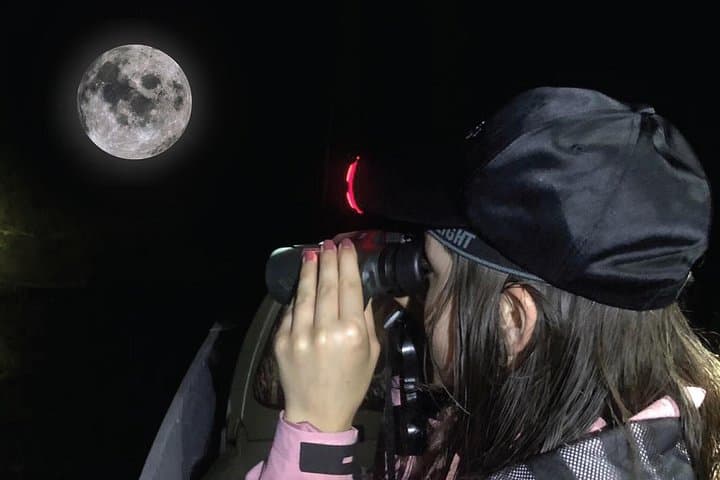
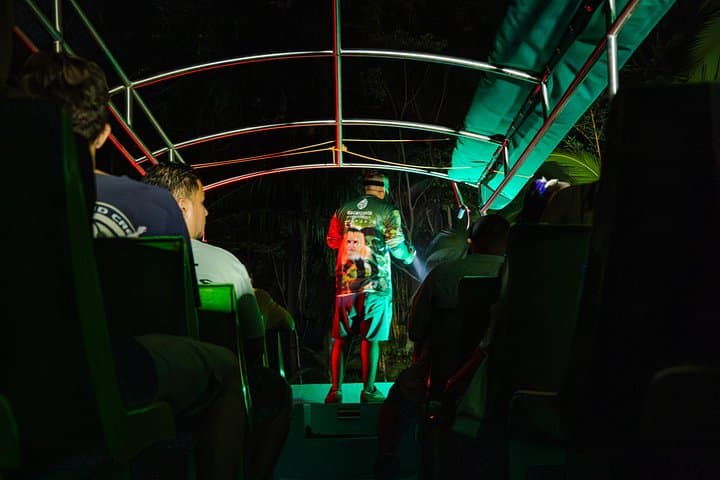
The sun slips behind the mangrove canopy and the canal becomes a ribbon of black water, reflecting only the flick of a guide's headlamp. You push off in a kayak or climb into a small boat and the world contracts to the hush of roots and the sudden, wet sounds of animals that live by night.
Verified experiences and guided adventures in the surrounding area.
Operated by Nacarcosta Wildlife Adventure · Quepos, Puntarenas
The sun slips behind the mangrove canopy and the canal becomes a ribbon of black water, reflecting only the flick of a guide's headlamp. You push off in a kayak or climb into a small boat and the world contracts to the hush of roots and the sudden, wet sounds of animals that live by night.
Isla Damas sits on Costa Rica's central Pacific coast near Quepos, where river sediment and tidal currents built the estuarine maze over millennia. These mangroves—red, black and white species—trap silt, stabilize shorelines and create nursery habitat that local fishing communities have relied on for generations. Culturally, the estuary is woven into small-town life: guides are often former fishers who read tides and birds with equal fluency.
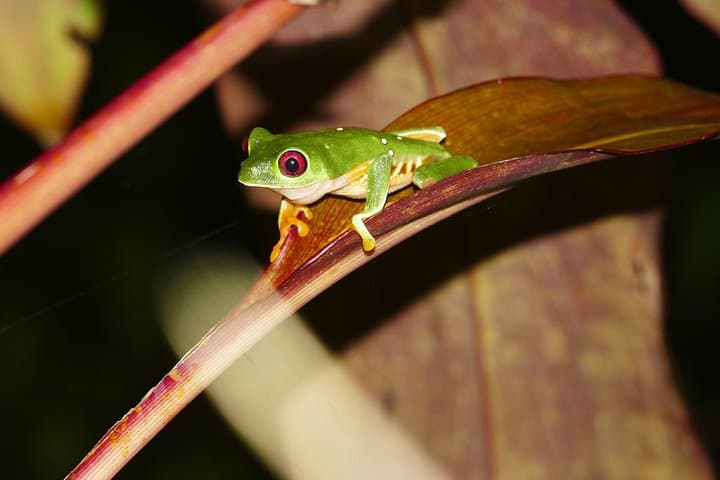
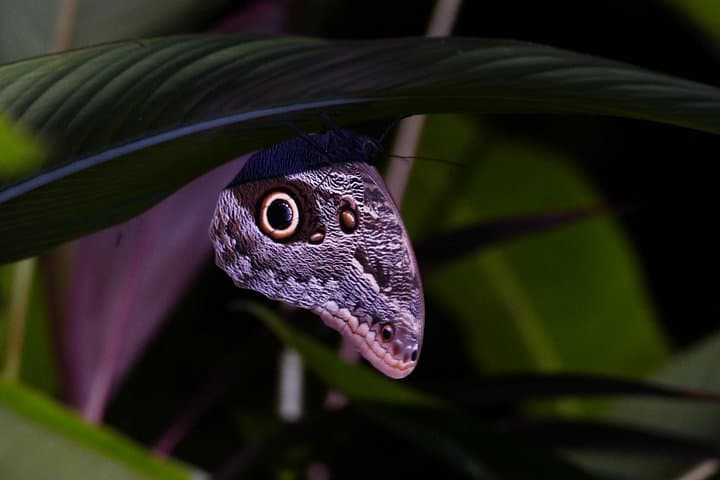
At night the soundscape changes: tree frogs vocalize, owls call, raccoons and crabs forage among prop roots, and red-eyed tree frogs perch like green jewels on leaves. Expect close-up views of nocturnal insects and amphibians; reptiles may slither unseen in the mud.
Practical guidance: tours run about 2–3 hours and are rated easy—no advanced paddling skills required. Wear quick-dry shoes and long sleeves for mosquitos, bring insect repellent and a headlamp (guides often provide lights). Keep voices low and movements slow to increase wildlife sightings. Rain is common in the wet season; a lightweight rain shell helps. Cameras with a good low-light setting or a flash will capture the best shots, but avoid spotlighting animals for long periods. Respect the habitat: stay seated in boats, don’t handle wildlife, and follow your guide’s instructions for safety and conservation.
easy.
2–3 hours.
Suitable for most fitness levels—basic mobility and the ability to sit in a kayak or small boat for the tour duration.
Yes—this operator notes stroller access and suitability for all fitness levels; children should remain seated and supervised, and infant comfort with boat motion should be considered.
Flashlights are listed as included, but bringing a personal headlamp with a red option is recommended for hands-free use and minimal wildlife disturbance.
No guarantee, but guides know local patterns and the night increases chances of spotting frogs, owls, raccoons, crabs and nocturnal insects—season and tide affect sightings.
The listing indicates wheelchair accessibility in some portions; check with the operator about transfer needs and boat boarding accommodations before booking.
Mangroves around Isla Damas have long supported local fishers by protecting shorelines and serving as nurseries; many guides are community members with generational knowledge of the estuary.
Mangroves are vulnerable to development and pollution; tours encourage staying in boats, avoiding flash photography, and packing out waste to minimize impacts.
Nacarcosta Wildlife Adventure operates guided outdoor trips and adventures with an emphasis on safety, stewardship, and memorable experiences.
The sun slips behind the mangrove canopy and the canal becomes a ribbon of black water, reflecting only the flick of a guide's headlamp. You push off in a kayak or climb into a small boat and the world contracts to the hush of roots and the sudden, wet sounds of animals that live by night.
The sun slips behind the mangrove canopy and the canal becomes a ribbon of black water, reflecting only the flick of a guide's headlamp. You push off in a kayak or climb into a small boat and the world contracts to the hush of roots and the sudden, wet sounds of animals that live by night.
Isla Damas sits on Costa Rica's central Pacific coast near Quepos, where river sediment and tidal currents built the estuarine maze over millennia. These mangroves—red, black and white species—trap silt, stabilize shorelines and create nursery habitat that local fishing communities have relied on for generations. Culturally, the estuary is woven into small-town life: guides are often former fishers who read tides and birds with equal fluency.
At night the soundscape changes: tree frogs vocalize, owls call, raccoons and crabs forage among prop roots, and red-eyed tree frogs perch like green jewels on leaves. Expect close-up views of nocturnal insects and amphibians; reptiles may slither unseen in the mud.
Practical guidance: tours run about 2–3 hours and are rated easy—no advanced paddling skills required. Wear quick-dry shoes and long sleeves for mosquitos, bring insect repellent and a headlamp (guides often provide lights). Keep voices low and movements slow to increase wildlife sightings. Rain is common in the wet season; a lightweight rain shell helps. Cameras with a good low-light setting or a flash will capture the best shots, but avoid spotlighting animals for long periods. Respect the habitat: stay seated in boats, don’t handle wildlife, and follow your guide’s instructions for safety and conservation.