THE ADVENTURE COLLECTIVE® · Independent discovery and booking for outdoor travel

Glide through the root-woven channels of Isla Damas on a guided mangrove boat tour from Quepos. This 2–3 hour wildlife cruise is family-friendly, rich in birdlife and monkeys, and ideal for travelers who prefer to ride rather than paddle.
Glide through the root-woven channels of Isla Damas on a guided mangrove boat tour from Quepos. This 2–3 hour wildlife cruise is family-friendly, rich in birdlife and monkeys, and ideal for travelers who prefer to ride rather than paddle.
A low, silver boat slips from Quepos’ estuary into a corridor of roots and water; the air smells faintly of salt and wet wood. Mangrove trunks lean like old oars as the guide eases the throttle, and the forest breathes around the passengers — birds call, a monkey chatters from high branches, and mud crabs tap the banks. The ride is quietly kinetic: tide and current shape the route while the boat negotiates narrow channels carved through centuries of sediment.
Verified experiences and guided adventures in the surrounding area.
Operated by Nacarcosta Wildlife Adventure · Quepos, Puntarenas
A low, silver boat slips from Quepos’ estuary into a corridor of roots and water; the air smells faintly of salt and wet wood. Mangrove trunks lean like old oars as the guide eases the throttle, and the forest breathes around the passengers — birds call, a monkey chatters from high branches, and mud crabs tap the banks. The ride is quietly kinetic: tide and current shape the route while the boat negotiates narrow channels carved through centuries of sediment.
Isla Damas lies off Costa Rica’s central Pacific, where mangrove systems formed on volcanic sediment and alluvial fans. These intertidal forests developed to filter runoff and stabilize the coastline, and local communities historically used the estuaries for small-scale fishing and shellfish gathering. Cultural ties to the sea remain strong in Quepos; boat operators often combine natural-history commentary with practical knowledge about tides and wildlife behavior.
For travelers, the experience is straightforward and accessible: tours typically run two to three hours, operate on private or shared skiffs, and suit families and older visitors. Expect binocular sightings of white-faced capuchins, sloths, herons, and occasional crocodiles along calmer channels. Guides point out how pneumatophores — the mangroves’ breathing roots — anchor the mud and provide habitat for juvenile fish.
Practical guidance: bring reef-safe sunscreen, a light rain shell (storms can come fast during the rainy season), and motion-sickness prevention if you’re sensitive. Wear closed-toe shoes that can get wet and a hat for sun. Tours often include fresh fruit, water, and certified guides; check tide times and choose morning slots for cooler temperatures and higher wildlife activity.
easy.
2–3 hours.
Suitable for most fitness levels; mostly seated on a boat with short standing periods to look over the rail.
Tours run about 2–3 hours depending on tides and whether the booking is private or shared.
Yes — the activity is low-impact and suitable for most ages; infants may need to sit on laps per the operator’s policy.
Common sightings include white-faced capuchin monkeys, two- and three-toed sloths, herons, kingfishers, green iguanas, and occasionally crocodiles in quieter channels.
Most tours include bottled water and fresh fruit snacks; restroom facilities are typically on shore before departure rather than on the boat.
The mangrove estuaries near Quepos developed on volcanic and alluvial deposits; local communities have relied on them for fisheries and coastal protection for generations.
Mangroves are vital nurseries for coastal fish and act as carbon sinks; choose operators that follow ‘no-touch’ wildlife guidelines and avoid driving close to nesting birds.
Nacarcosta Wildlife Adventure operates guided outdoor trips and adventures with an emphasis on safety, stewardship, and memorable experiences.
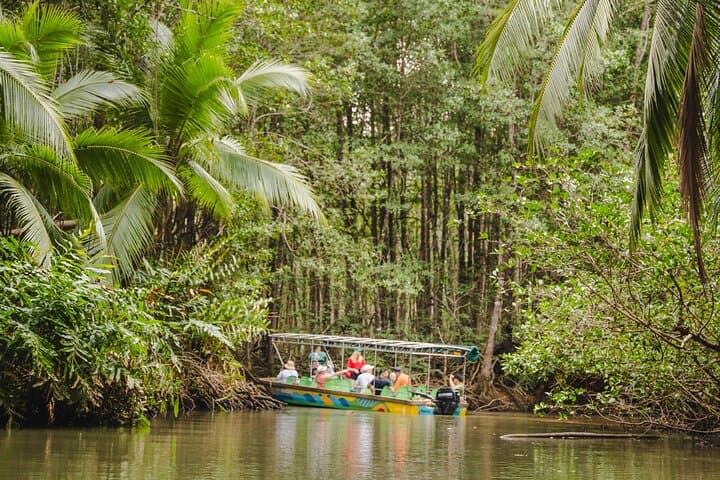
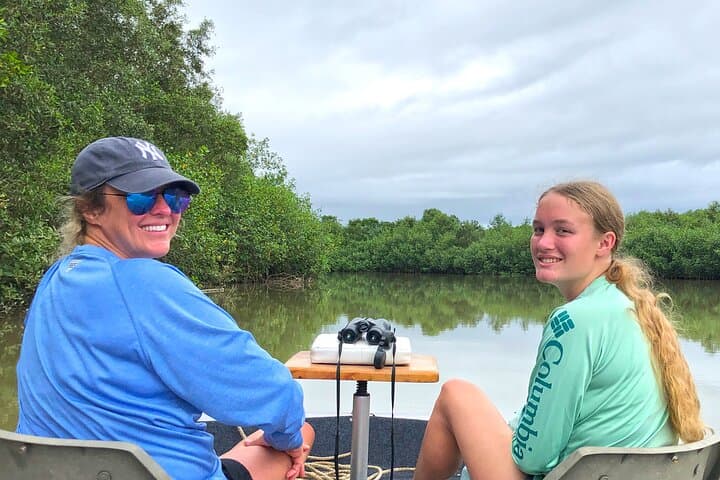
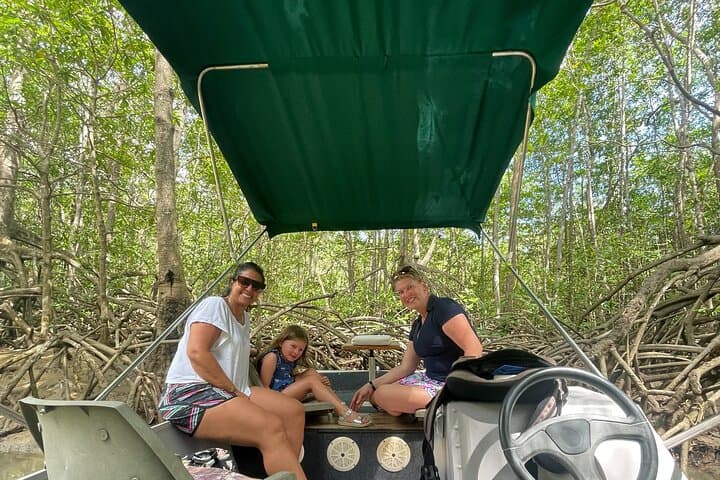
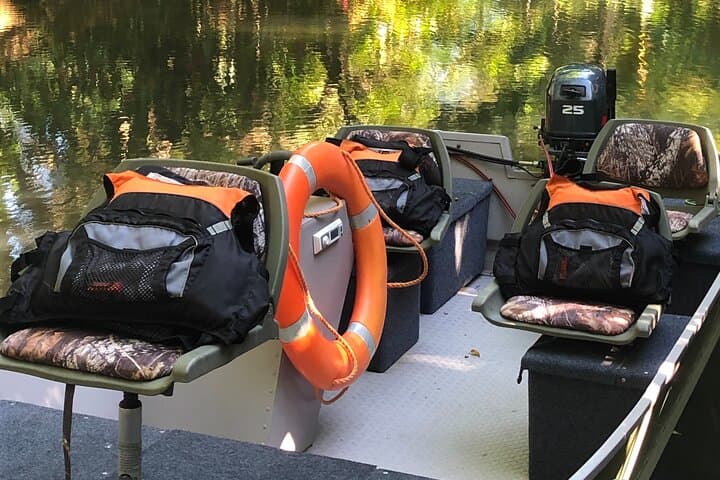
A low, silver boat slips from Quepos’ estuary into a corridor of roots and water; the air smells faintly of salt and wet wood. Mangrove trunks lean like old oars as the guide eases the throttle, and the forest breathes around the passengers — birds call, a monkey chatters from high branches, and mud crabs tap the banks. The ride is quietly kinetic: tide and current shape the route while the boat negotiates narrow channels carved through centuries of sediment.
A low, silver boat slips from Quepos’ estuary into a corridor of roots and water; the air smells faintly of salt and wet wood. Mangrove trunks lean like old oars as the guide eases the throttle, and the forest breathes around the passengers — birds call, a monkey chatters from high branches, and mud crabs tap the banks. The ride is quietly kinetic: tide and current shape the route while the boat negotiates narrow channels carved through centuries of sediment.
Isla Damas lies off Costa Rica’s central Pacific, where mangrove systems formed on volcanic sediment and alluvial fans. These intertidal forests developed to filter runoff and stabilize the coastline, and local communities historically used the estuaries for small-scale fishing and shellfish gathering. Cultural ties to the sea remain strong in Quepos; boat operators often combine natural-history commentary with practical knowledge about tides and wildlife behavior.
For travelers, the experience is straightforward and accessible: tours typically run two to three hours, operate on private or shared skiffs, and suit families and older visitors. Expect binocular sightings of white-faced capuchins, sloths, herons, and occasional crocodiles along calmer channels. Guides point out how pneumatophores — the mangroves’ breathing roots — anchor the mud and provide habitat for juvenile fish.
Practical guidance: bring reef-safe sunscreen, a light rain shell (storms can come fast during the rainy season), and motion-sickness prevention if you’re sensitive. Wear closed-toe shoes that can get wet and a hat for sun. Tours often include fresh fruit, water, and certified guides; check tide times and choose morning slots for cooler temperatures and higher wildlife activity.