THE ADVENTURE COLLECTIVE® · Independent discovery and booking for outdoor travel

Cycle Mandalay on bamboo bikes, pausing at tea shops, markets and riverside viewpoints to taste local bites and hear neighborhood stories. This easy 3–4 hour tour pairs light exercise with immersive culinary and cultural stops.
Cycle Mandalay on bamboo bikes, pausing at tea shops, markets and riverside viewpoints to taste local bites and hear neighborhood stories. This easy 3–4 hour tour pairs light exercise with immersive culinary and cultural stops.
Morning light slides across the Irrawaddy as a small group mounts real bamboo bikes and moves into the city's pulse. Wheels click on paved streets, vendors call from tea shops, and the scent of frying noodles and sugar cakes follows the convoy—this is a tour built around short rides, frequent stops, and the kind of tastes that map a city's character.
Verified experiences and guided adventures in the surrounding area.
Operated by Bamboo Bicycle Tours Myanmar · Mandalay, Mandalay Region
Morning light slides across the Irrawaddy as a small group mounts real bamboo bikes and moves into the city's pulse. Wheels click on paved streets, vendors call from tea shops, and the scent of frying noodles and sugar cakes follows the convoy—this is a tour built around short rides, frequent stops, and the kind of tastes that map a city's character.
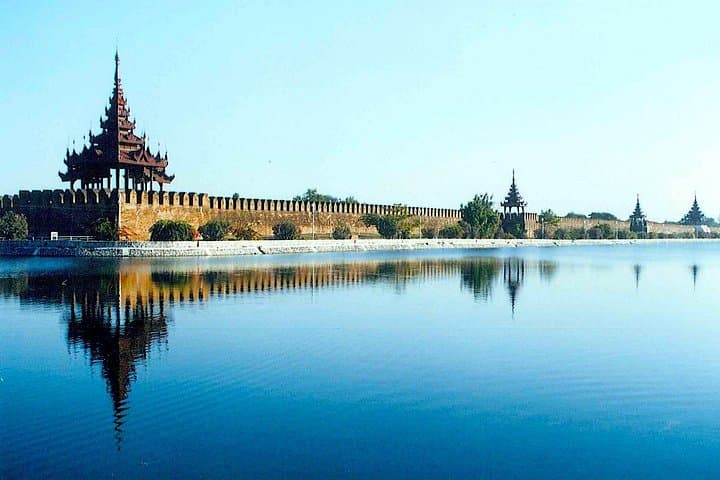
Mandalay is Myanmar's last royal capital, a grid of streets that grew up around the palace and river. Geologically the city sits on flat alluvial plains fed by the Irrawaddy, so the ride is mostly level and easy; culturally it’s a living archive of monasteries, teak workshops, and tea-house customs. As the tour pauses at riverside viewpoints and market stalls, guides link each bite to local history—tea shop noodles that became a midday ritual, sweet cakes tied to festival days, and temple-side vendors who supply monks and students alike.
Practicalities are straightforward: expect about 3–4 hours of riding and walking, covering roughly 8–10 km at an easy pace on paved roads with occasional light traffic. Helmets and bottled water are provided; bring cash for extra purchases and a camera for palace views. Wear closed-toe shoes and a light sun layer, and be ready to dismount for narrow alleys and crowded market stops. The rhythm is tactile—short pedals between discoveries—so it rewards curiosity more than speed, and leaves travelers with both full bellies and a clear sense of Mandalay’s everyday life.
easy.
3–4 hours.
Basic fitness—able to pedal short city stretches and stand/walk between stops; suitable for most adults and teens.
The tour lasts about 3–4 hours and covers roughly 8–10 km at an easy pace with frequent stops for food and sightseeing.
No—bamboo bikes are easy to handle and the route is flat; basic balance and comfort on a bike are sufficient.
Bottled water, snacks and multiple food tastings are included as part of the tour price; bring extra cash for additional purchases.
Shared tours limit group size (typically up to four); mobile tickets are accepted and cancellations are refundable if made at least 24 hours before departure.
Mandalay served as the last royal capital of Burma in the 19th century; many streets and culinary traditions trace back to court-era artisans and monastic economies.
Cycling tours minimize motorized impact and visiting small vendors supports local livelihoods; avoid single-use plastics and respect temple rules to reduce footprint.
Bamboo Bicycle Tours Myanmar operates guided outdoor trips and adventures with an emphasis on safety, stewardship, and memorable experiences.
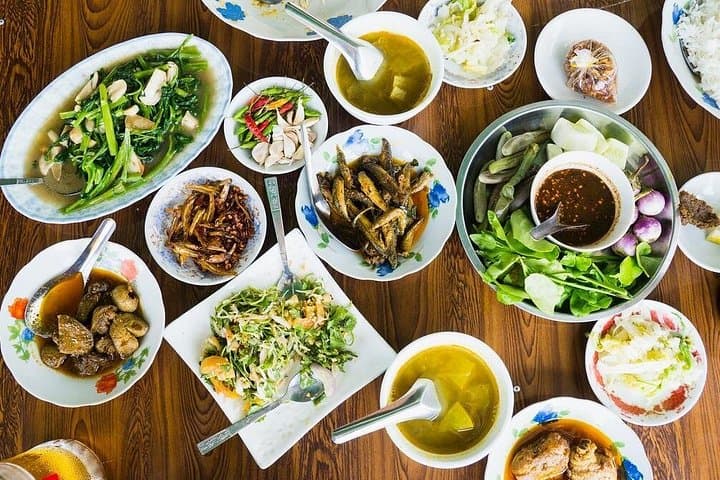
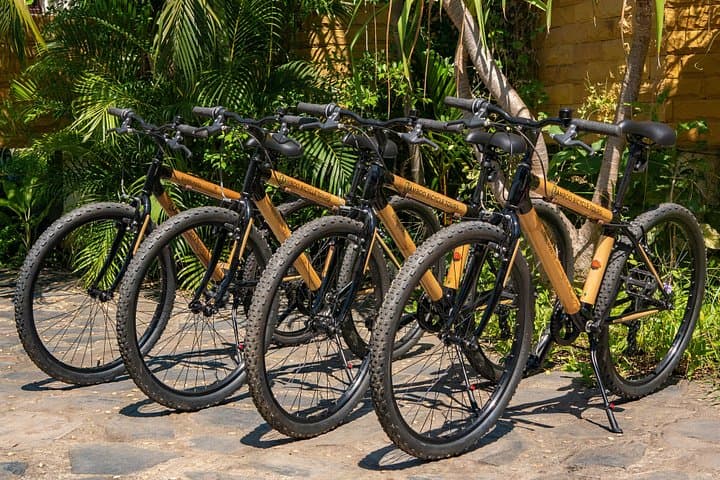
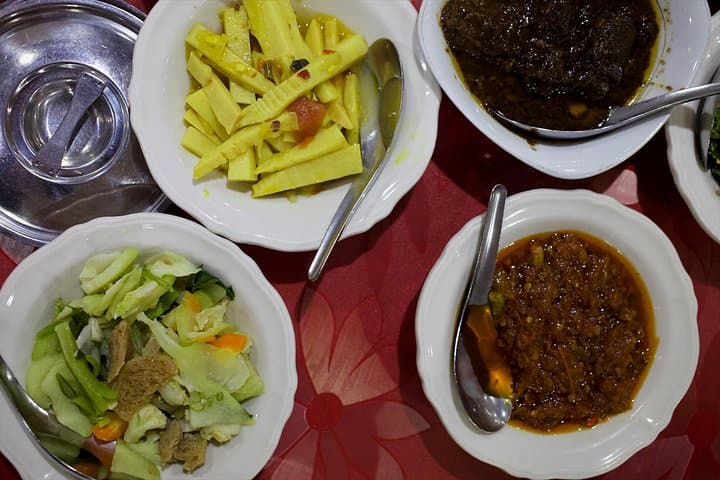
Morning light slides across the Irrawaddy as a small group mounts real bamboo bikes and moves into the city's pulse. Wheels click on paved streets, vendors call from tea shops, and the scent of frying noodles and sugar cakes follows the convoy—this is a tour built around short rides, frequent stops, and the kind of tastes that map a city's character.
Morning light slides across the Irrawaddy as a small group mounts real bamboo bikes and moves into the city's pulse. Wheels click on paved streets, vendors call from tea shops, and the scent of frying noodles and sugar cakes follows the convoy—this is a tour built around short rides, frequent stops, and the kind of tastes that map a city's character.
Mandalay is Myanmar's last royal capital, a grid of streets that grew up around the palace and river. Geologically the city sits on flat alluvial plains fed by the Irrawaddy, so the ride is mostly level and easy; culturally it’s a living archive of monasteries, teak workshops, and tea-house customs. As the tour pauses at riverside viewpoints and market stalls, guides link each bite to local history—tea shop noodles that became a midday ritual, sweet cakes tied to festival days, and temple-side vendors who supply monks and students alike.
Practicalities are straightforward: expect about 3–4 hours of riding and walking, covering roughly 8–10 km at an easy pace on paved roads with occasional light traffic. Helmets and bottled water are provided; bring cash for extra purchases and a camera for palace views. Wear closed-toe shoes and a light sun layer, and be ready to dismount for narrow alleys and crowded market stops. The rhythm is tactile—short pedals between discoveries—so it rewards curiosity more than speed, and leaves travelers with both full bellies and a clear sense of Mandalay’s everyday life.