THE ADVENTURE COLLECTIVE® · Independent discovery and booking for outdoor travel

Walk the streets that made modern Manchester: from Northern Quarter street art and rehearsal rooms to Premier League origins and film sets. This accessible 2–3 hour guided tour pairs music and civic history with practical local insight.
Walk the streets that made modern Manchester: from Northern Quarter street art and rehearsal rooms to Premier League origins and film sets. This accessible 2–3 hour guided tour pairs music and civic history with practical local insight.
You step off the tram into a city that keeps moving: cobblestones underfoot, murals watching from brickwork, and the faint echo of basslines from a nearby pub.
Verified experiences and guided adventures in the surrounding area.
Operated by The Ultimate Manchester Free Walking Tour · Manchester, Greater Manchester
You step off the tram into a city that keeps moving: cobblestones underfoot, murals watching from brickwork, and the faint echo of basslines from a nearby pub.
This 2–3 hour guided walk threads the Northern Quarter, Chinatown and the civic heart of Manchester, pausing at sites where bands rehearsed, films rolled, and political ideas hardened. Expect streets that once powered the Industrial Revolution — red-brick warehouses and grand civic buildings shaped by 19th-century textile wealth and Victorian civic pride. Chetham’s Library, a pause on the route, still holds the quiet of centuries; Victoria Baths and the arcade of Afflecks point to the city’s quirky civic life and independent trade.
Geology is modest — reclaimed river terraces and compact urban fill — but architecture tells the story: former cotton warehouses, classical facades inspired by the Pantheon, and post-industrial studios transformed into rehearsal rooms. Culturally, Manchester’s role in music (from Oasis to The Smiths), football’s origins, and early social reforms (women’s suffrage activity and abolitionist ties) surface at each stop.
Practical edge: the tour is flat, wheelchair accessible, and runs rain or shine with instant confirmation. Wear grippy shoes for uneven pavements, layered clothing for changeable UK weather, and bring a camera for street art and pub frontages. Morning slots dodge crowds and give better light for photos; evenings bring the music vibe but louder streets. The guide highlights filming locations, local legends, and the little details that map a city’s cultural footprint — efficient, story-driven, and rooted in the places you’ll pass.
easy.
2–3 hours.
Suitable for most fitness levels; mostly flat urban walking with intermittent stops
Meeting instructions are provided at booking; common meeting points are central tram stops near Market Street or a designated landmark in the Northern Quarter — arrive 10 minutes early.
Yes — the route and many stops are wheelchair accessible; contact the operator ahead to confirm any specific access needs.
Yes — the tour is family-friendly, but consider the distance and pace for very young children; strollers are accommodated.
You can cancel for a full refund at least 24 hours before departure; last-minute cancellations are typically non-refundable.
Manchester rose during the Industrial Revolution as a textile and engineering hub; its civic institutions and music scene later shaped national culture and football history.
The city promotes sustainable tourism and quiet neighborhoods; visitors are asked to respect public spaces, keep streets litter-free, and support independent businesses.
The Ultimate Manchester Free Walking Tour operates guided outdoor trips and adventures with an emphasis on safety, stewardship, and memorable experiences.

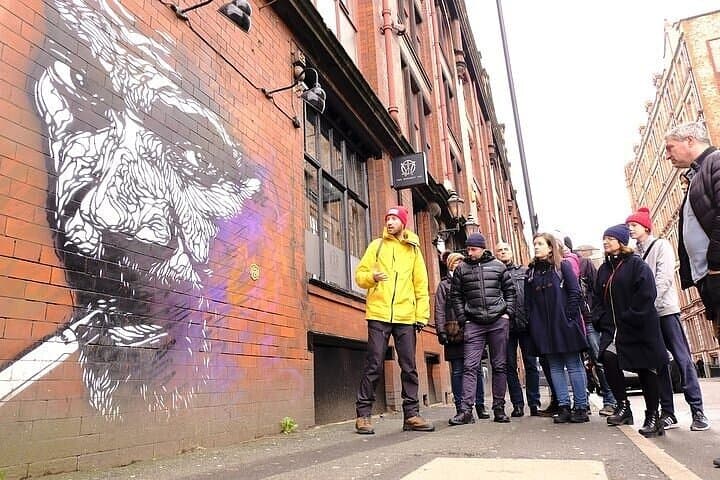
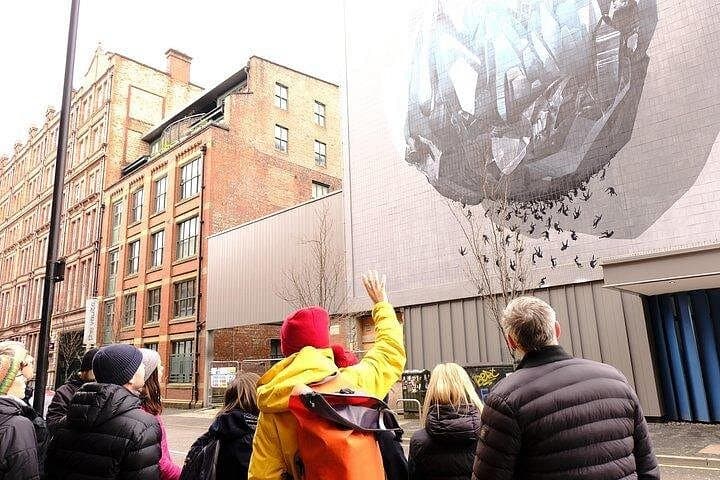
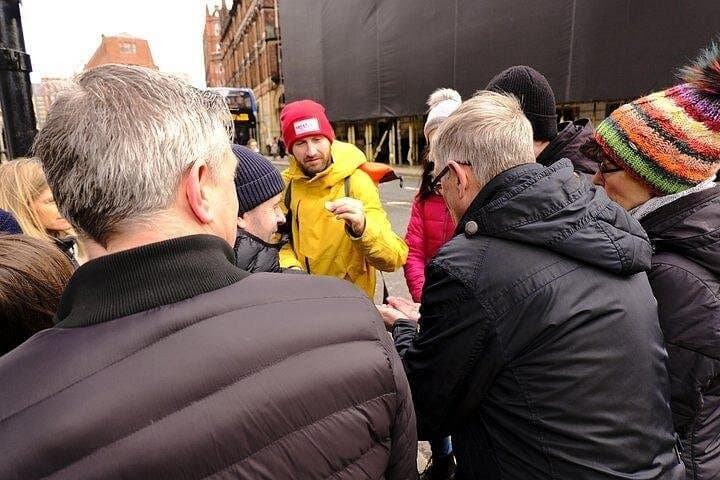
You step off the tram into a city that keeps moving: cobblestones underfoot, murals watching from brickwork, and the faint echo of basslines from a nearby pub.
You step off the tram into a city that keeps moving: cobblestones underfoot, murals watching from brickwork, and the faint echo of basslines from a nearby pub.
This 2–3 hour guided walk threads the Northern Quarter, Chinatown and the civic heart of Manchester, pausing at sites where bands rehearsed, films rolled, and political ideas hardened. Expect streets that once powered the Industrial Revolution — red-brick warehouses and grand civic buildings shaped by 19th-century textile wealth and Victorian civic pride. Chetham’s Library, a pause on the route, still holds the quiet of centuries; Victoria Baths and the arcade of Afflecks point to the city’s quirky civic life and independent trade.
Geology is modest — reclaimed river terraces and compact urban fill — but architecture tells the story: former cotton warehouses, classical facades inspired by the Pantheon, and post-industrial studios transformed into rehearsal rooms. Culturally, Manchester’s role in music (from Oasis to The Smiths), football’s origins, and early social reforms (women’s suffrage activity and abolitionist ties) surface at each stop.
Practical edge: the tour is flat, wheelchair accessible, and runs rain or shine with instant confirmation. Wear grippy shoes for uneven pavements, layered clothing for changeable UK weather, and bring a camera for street art and pub frontages. Morning slots dodge crowds and give better light for photos; evenings bring the music vibe but louder streets. The guide highlights filming locations, local legends, and the little details that map a city’s cultural footprint — efficient, story-driven, and rooted in the places you’ll pass.