THE ADVENTURE COLLECTIVE® · Independent discovery and booking for outdoor travel

Take a multi-day river passage from Manaus to Belém aboard a working Amazon riverboat — sleep in hammocks or cabins, see riverside communities and float through some of the world’s most biodiverse waterways. Practical tips and what to expect for this budget-friendly, iconic route.
Take a multi-day river passage from Manaus to Belém aboard a working Amazon riverboat — sleep in hammocks or cabins, see riverside communities and float through some of the world’s most biodiverse waterways. Practical tips and what to expect for this budget-friendly, iconic route.
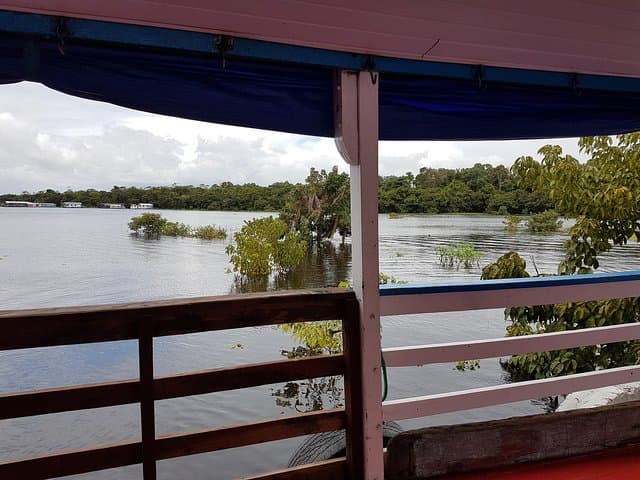
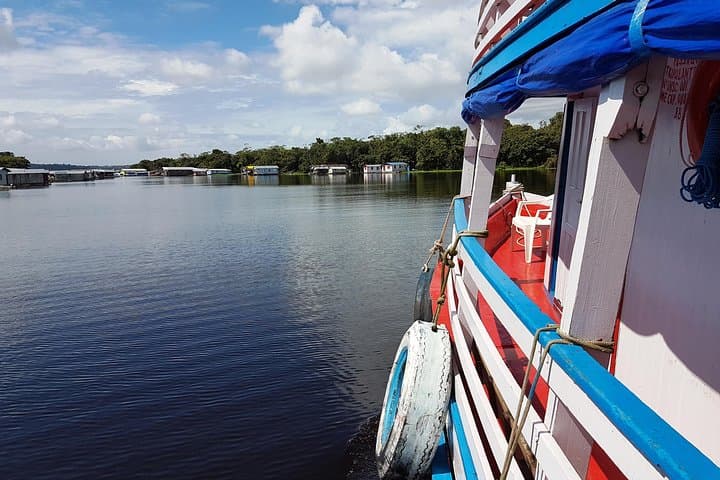
The river swallows the skyline as the boat slips away from Manaus — a slow, steady glide past clay banks, stilt houses and palms leaning as if to watch. Nights on deck are lit by navigation lamps and the muffled conversations of travelers; mornings bring the whistle of river traffic and low clouds lifting off a brown, powerful current that has shaped this landscape for millennia.
Verified experiences and guided adventures in the surrounding area.
Operated by Amazing Tours Agency · Manaus, Amazonas
The river swallows the skyline as the boat slips away from Manaus — a slow, steady glide past clay banks, stilt houses and palms leaning as if to watch. Nights on deck are lit by navigation lamps and the muffled conversations of travelers; mornings bring the whistle of river traffic and low clouds lifting off a brown, powerful current that has shaped this landscape for millennia.
This route follows the main artery of the Amazon basin, a sediment-rich river carved through recent alluvium and older uplands. Manaus rose to global attention in the rubber boom of the late 19th century; riverboats maintained that connectivity long before highways. Onboard life echoes local culture: hammocks, shared meals, and stops at small ports where markets trade fish, cassava and woven goods.
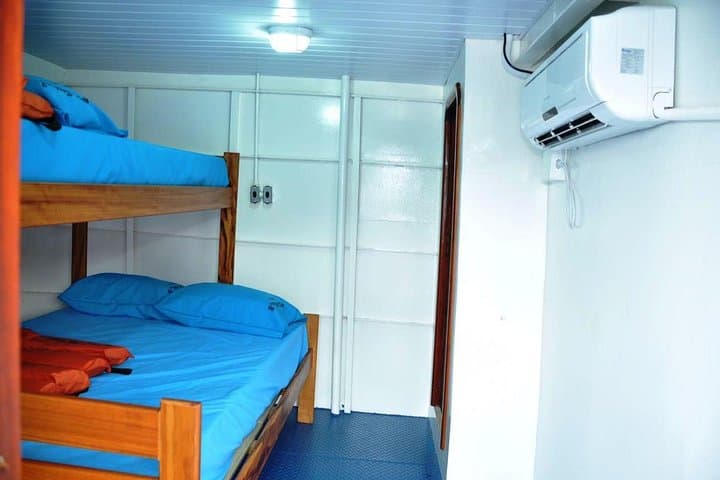
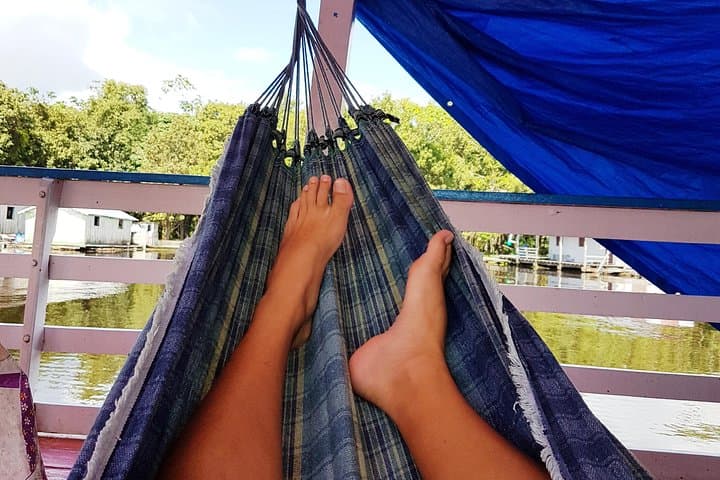
Expect multi-day, practical travel rather than a luxury cruise — hammocks and simple cabins are common, and boats function as both transport and floating neighborhood. Wildlife sightings from the deck can include barking howler monkeys, herons on sandbars and the occasional glimpse of the pink river dolphin in calmer backchannels.
Practical notes: bring a lightweight hammock if sleeping in hammocks is your choice, secure valid passport details for boarding, and carry cash for onboard purchases in smaller denominations. Pack insect repellent, a waterproof layer, and a dry bag for electronics. Travel times vary with river conditions; allow extra days for weather or mechanical delay. Respect local rules about waste and wildlife; these boats are vital public transport for river communities and operate to a straightforward, communal rhythm.
easy.
3–4 days.
Minimal fitness required; ability to board ladders and handle basic boat life recommended
Yes — a current valid passport with name and expiry is required at booking and boarding for all passengers.
Meals are typically not included on the Manaus–Belém route; food can usually be purchased onboard or at market stops.
Yes — many boats offer hammock berths; some require you to bring your own hammock while cabins are available at higher cost.
The service is commonly used by families and older travelers, but it’s not recommended for those with serious cardiac conditions or late-term pregnancy; basic mobility is needed for ladder-style boarding.
Riverboats have been the backbone of Amazon transport for centuries; Manaus grew wealthy during the rubber boom and remains the regional hub for river trade.
River traffic and tourism increase pressure on sensitive habitats; travelers should avoid single-use plastics, follow local guidance around wildlife, and support community-led operators when possible.
Amazing Tours Agency operates guided outdoor trips and adventures with an emphasis on safety, stewardship, and memorable experiences.
The river swallows the skyline as the boat slips away from Manaus — a slow, steady glide past clay banks, stilt houses and palms leaning as if to watch. Nights on deck are lit by navigation lamps and the muffled conversations of travelers; mornings bring the whistle of river traffic and low clouds lifting off a brown, powerful current that has shaped this landscape for millennia.
The river swallows the skyline as the boat slips away from Manaus — a slow, steady glide past clay banks, stilt houses and palms leaning as if to watch. Nights on deck are lit by navigation lamps and the muffled conversations of travelers; mornings bring the whistle of river traffic and low clouds lifting off a brown, powerful current that has shaped this landscape for millennia.
This route follows the main artery of the Amazon basin, a sediment-rich river carved through recent alluvium and older uplands. Manaus rose to global attention in the rubber boom of the late 19th century; riverboats maintained that connectivity long before highways. Onboard life echoes local culture: hammocks, shared meals, and stops at small ports where markets trade fish, cassava and woven goods.
Expect multi-day, practical travel rather than a luxury cruise — hammocks and simple cabins are common, and boats function as both transport and floating neighborhood. Wildlife sightings from the deck can include barking howler monkeys, herons on sandbars and the occasional glimpse of the pink river dolphin in calmer backchannels.
Practical notes: bring a lightweight hammock if sleeping in hammocks is your choice, secure valid passport details for boarding, and carry cash for onboard purchases in smaller denominations. Pack insect repellent, a waterproof layer, and a dry bag for electronics. Travel times vary with river conditions; allow extra days for weather or mechanical delay. Respect local rules about waste and wildlife; these boats are vital public transport for river communities and operate to a straightforward, communal rhythm.