THE ADVENTURE COLLECTIVE® · Independent discovery and booking for outdoor travel

Walk the compact, historic heart of Manaus in four hours: Teatro Amazonas, Praça da Matriz, lively fruit and fish markets, and a riverside port drive‑by. This tour pairs cultural history with practical city walking—perfect for a single‑afternoon introduction to the Amazon’s urban edge.
Walk the compact, historic heart of Manaus in four hours: Teatro Amazonas, Praça da Matriz, lively fruit and fish markets, and a riverside port drive‑by. This tour pairs cultural history with practical city walking—perfect for a single‑afternoon introduction to the Amazon’s urban edge.
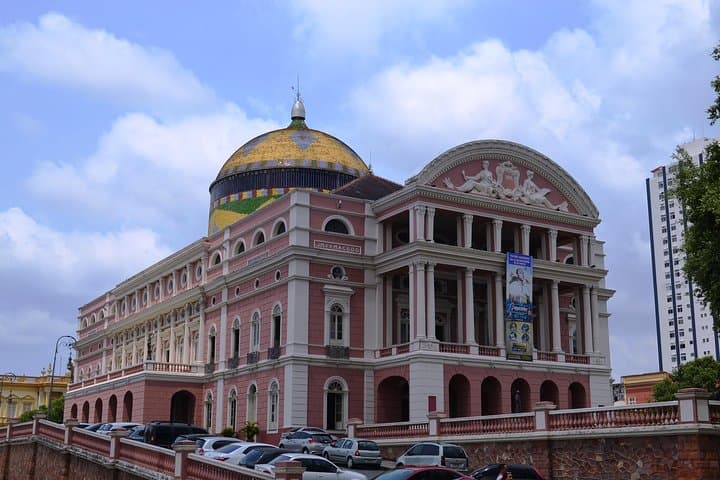
The day begins where stone meets river: Teatro Amazonas looms with its painted dome and brass lamps, and the humid breath of the Amazon presses against the theater steps.
Verified experiences and guided adventures in the surrounding area.
Operated by Amazing Tours Agency · Manaus, Amazonas
The day begins where stone meets river: Teatro Amazonas looms with its painted dome and brass lamps, and the humid breath of the Amazon presses against the theater steps.
This four‑hour city tour threads through Manaus’s historic core—the opera house, Praça da Matriz, the packed stalls of the banana and fish markets, and the riverside port—offering a compact survey of urban life where river and city collide. The Rio Negro edges the skyline, dark and slow, as if urging visitors toward its mangrove mouth.
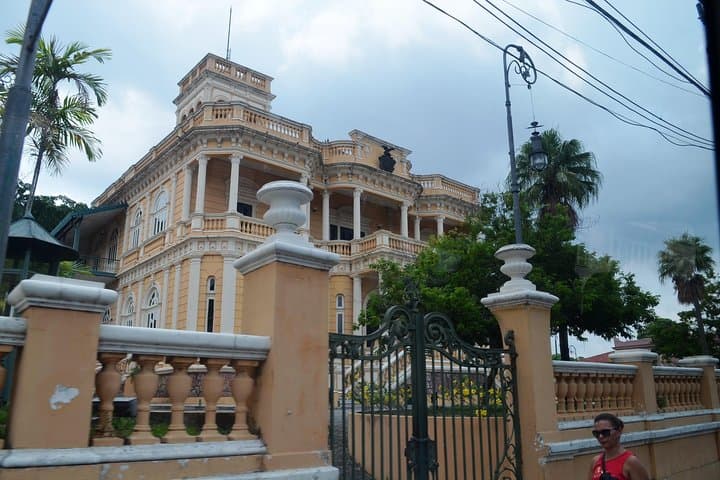
Built during the late 19th‑century rubber boom, Teatro Amazonas is a concrete reminder of Manaus’s global trade past; nearby colonial facades and the Palacio Rio Negro reflect the city’s rapid transformation from indigenous settlement to imperial outpost. Geologically the region sits on ancient Amazonian plains; the compact city center is flat, with cobbled streets and occasional ironwork balconies that recall European influence in an equatorial setting.
Expect busy market aisles, the smell of fresh fish and tropical fruit, and short museum stops focused on indigenous culture and regional history. The pace is urban—moderate walking (roughly 3–5 km total), limited elevation, and several stops for photos and local narratives.
Practical guidance: go early to avoid heat and market crowds, wear sturdy shoes for uneven sidewalks, carry water and mosquito repellent, and bring small bills for purchases. A guided visit maximizes access and context—ideal for travelers who want culture, commerce, and riverside atmosphere packaged into a single afternoon.
easy.
4 hours.
Moderate—expect 3–5 km of walking on flat but uneven urban surfaces; able to stand for short museum stops
Admission is typically not included; the tour usually provides guided viewing from outside and a photo stop, but check with the operator for optional theater entry.
Yes—hotel pickup and drop‑off are included; exact pickup time is confirmed locally and can vary with traffic.
Children are welcome but must be supervised; the itinerary notes that child rates apply only when sharing with two paying adults.
Yes—small vendors and market stalls often prefer cash (Brazilian real) for quick purchases; ATMs are available in central Manaus but may charge fees.
Manaus surged during the 19th‑century rubber boom—wealth from latex financed Teatro Amazonas and much of the city’s ornate architecture.
Urban tourism stresses waste and water resources; visitors can minimize impact by avoiding single‑use plastics and supporting local guides and markets.
Amazing Tours Agency operates guided outdoor trips and adventures with an emphasis on safety, stewardship, and memorable experiences.

The day begins where stone meets river: Teatro Amazonas looms with its painted dome and brass lamps, and the humid breath of the Amazon presses against the theater steps.
The day begins where stone meets river: Teatro Amazonas looms with its painted dome and brass lamps, and the humid breath of the Amazon presses against the theater steps.
This four‑hour city tour threads through Manaus’s historic core—the opera house, Praça da Matriz, the packed stalls of the banana and fish markets, and the riverside port—offering a compact survey of urban life where river and city collide. The Rio Negro edges the skyline, dark and slow, as if urging visitors toward its mangrove mouth.
Built during the late 19th‑century rubber boom, Teatro Amazonas is a concrete reminder of Manaus’s global trade past; nearby colonial facades and the Palacio Rio Negro reflect the city’s rapid transformation from indigenous settlement to imperial outpost. Geologically the region sits on ancient Amazonian plains; the compact city center is flat, with cobbled streets and occasional ironwork balconies that recall European influence in an equatorial setting.
Expect busy market aisles, the smell of fresh fish and tropical fruit, and short museum stops focused on indigenous culture and regional history. The pace is urban—moderate walking (roughly 3–5 km total), limited elevation, and several stops for photos and local narratives.
Practical guidance: go early to avoid heat and market crowds, wear sturdy shoes for uneven sidewalks, carry water and mosquito repellent, and bring small bills for purchases. A guided visit maximizes access and context—ideal for travelers who want culture, commerce, and riverside atmosphere packaged into a single afternoon.