THE ADVENTURE COLLECTIVE® · Independent discovery and booking for outdoor travel

A 13-day circuit from Kathmandu that climbs from subtropical river valleys to the 5,160 m Larkya La pass. Expect teahouse nights, high ridgelines, mandatory permits and an essential acclimatization day at Sama.
A 13-day circuit from Kathmandu that climbs from subtropical river valleys to the 5,160 m Larkya La pass. Expect teahouse nights, high ridgelines, mandatory permits and an essential acclimatization day at Sama.
You leave Kathmandu before dawn, the city shrinking as the jeep threads river valleys and terraced hills toward Arughat. The Budhi Gandaki hurries beside the road, daring you forward; higher up, rhododendron forests and stone-built villages appear, prayer flags snapping in winds that seem to push guests toward the high ridgelines.
Verified experiences and guided adventures in the surrounding area.
Operated by Nepal Kailash Trekking · Kathmandu, Bagmati Province
You leave Kathmandu before dawn, the city shrinking as the jeep threads river valleys and terraced hills toward Arughat. The Budhi Gandaki hurries beside the road, daring you forward; higher up, rhododendron forests and stone-built villages appear, prayer flags snapping in winds that seem to push guests toward the high ridgelines.
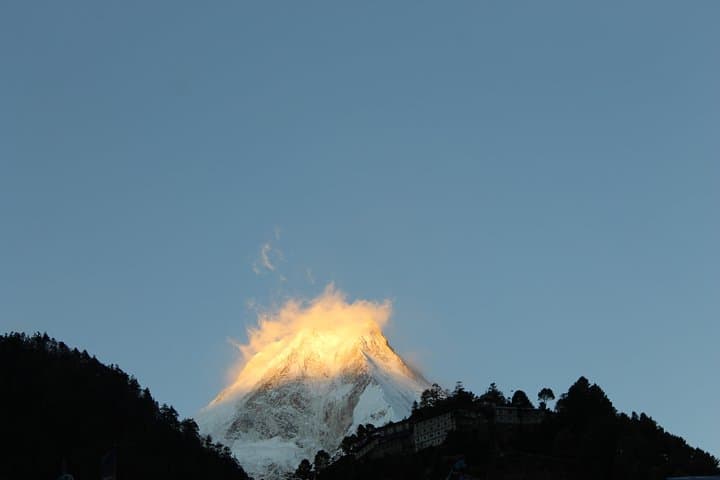
Manaslu (8,163 m) is the eighth-highest peak on Earth and a massif shaped by tectonic thrust and Himalayan uplift. The region was closed to outsiders until 1991; access today is controlled by special permits to preserve local culture and fragile alpine ecosystems. Villages here reflect a mix of Gurung and Tibetan influences—mani walls, chhortens and yak herders mark a long history of mountain trade and pilgrimage.
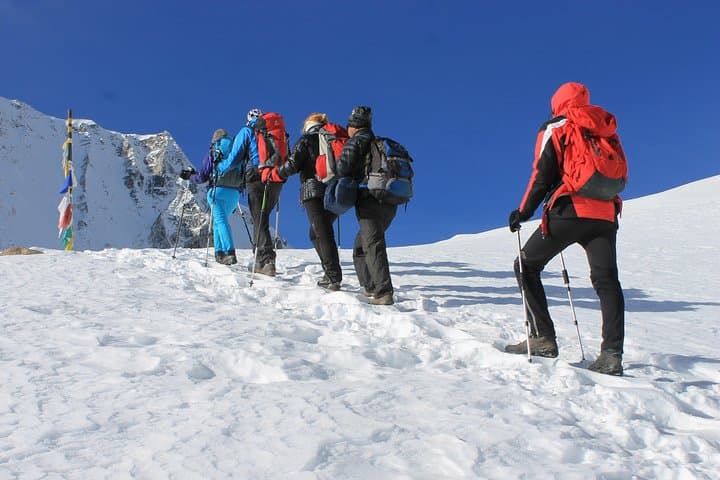
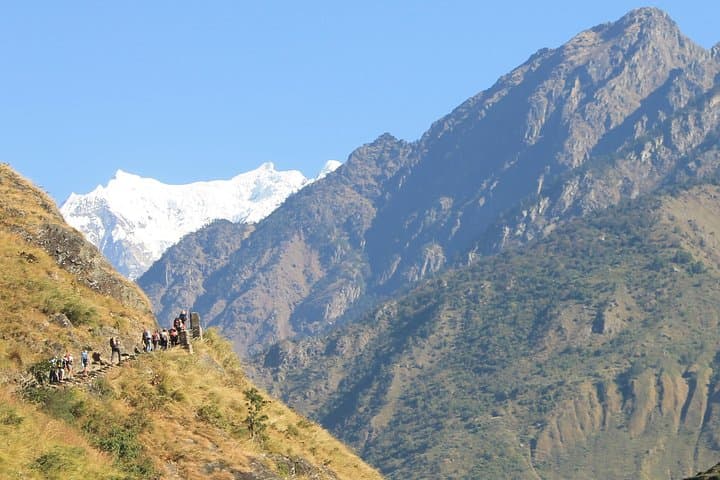
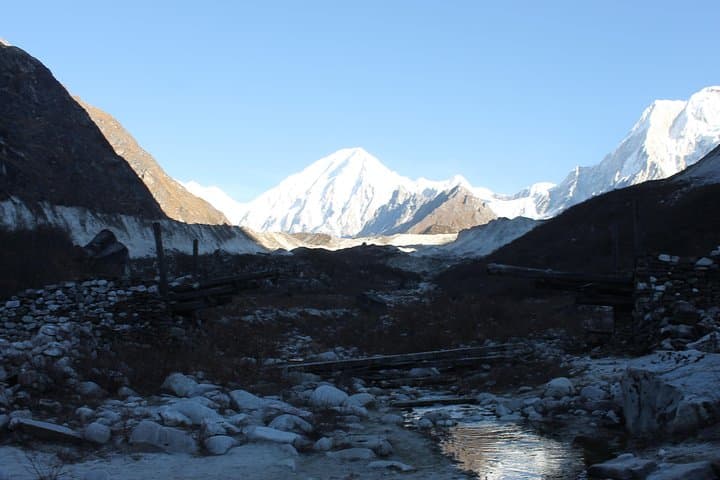
The route follows narrow trails, suspension bridges, and steep stone stairways, moving from 600 m at Arughat to 5,160 m at Larkya La. Expect daily trekking of 2–6 hours on mixed terrain—muddy forest tracks, rocky high ridges and scree around the pass—with a critical acclimatization day at Sama/Manaslu Base Camp.
Practical guidance: permits are mandatory and a porter is standard (one porter per two guests on this itinerary). Pack layered insulation, stout waterproof boots, and a sleeping bag rated for subzero nights. Hydrate well and monitor symptoms of altitude sickness—many nights are spent in simple lodges; be prepared for cold, wind and limited services above 3,500 m. The descent to Tilche and the jeep ride back to Kathmandu make for a gradual end—allow a day in the city before flying out.
challenging.
13 days.
Requires good cardiovascular fitness and experience with multi-day trekking; be prepared for steep ascents and long descents at altitude.
Yes. Manaslu is a restricted area and requires a special permit; operators usually handle application and fees—carry copies while trekking.
The Larkya La pass at approximately 5,160 m is the highest point; expect icy wind and short, steep scree sections near the pass.
Formal technical skills aren’t required, but prior multi-day trekking experience and familiarity with altitude symptoms are important for safety and enjoyment.
Yes—this itinerary uses local lodges/tea houses through the lower and middle sections, with very basic services above 3,500 m.
Access to the Manaslu region was opened to organized tourism in 1991; permits and controlled trekking routes help protect local culture and remote villages.
The Manaslu Conservation Area balances tourism with protection of alpine habitats—stick to trails, avoid single-use plastics and respect local grazing areas.
Nepal Kailash Trekking operates guided outdoor trips and adventures with an emphasis on safety, stewardship, and memorable experiences.
You leave Kathmandu before dawn, the city shrinking as the jeep threads river valleys and terraced hills toward Arughat. The Budhi Gandaki hurries beside the road, daring you forward; higher up, rhododendron forests and stone-built villages appear, prayer flags snapping in winds that seem to push guests toward the high ridgelines.
You leave Kathmandu before dawn, the city shrinking as the jeep threads river valleys and terraced hills toward Arughat. The Budhi Gandaki hurries beside the road, daring you forward; higher up, rhododendron forests and stone-built villages appear, prayer flags snapping in winds that seem to push guests toward the high ridgelines.
Manaslu (8,163 m) is the eighth-highest peak on Earth and a massif shaped by tectonic thrust and Himalayan uplift. The region was closed to outsiders until 1991; access today is controlled by special permits to preserve local culture and fragile alpine ecosystems. Villages here reflect a mix of Gurung and Tibetan influences—mani walls, chhortens and yak herders mark a long history of mountain trade and pilgrimage.
The route follows narrow trails, suspension bridges, and steep stone stairways, moving from 600 m at Arughat to 5,160 m at Larkya La. Expect daily trekking of 2–6 hours on mixed terrain—muddy forest tracks, rocky high ridges and scree around the pass—with a critical acclimatization day at Sama/Manaslu Base Camp.
Practical guidance: permits are mandatory and a porter is standard (one porter per two guests on this itinerary). Pack layered insulation, stout waterproof boots, and a sleeping bag rated for subzero nights. Hydrate well and monitor symptoms of altitude sickness—many nights are spent in simple lodges; be prepared for cold, wind and limited services above 3,500 m. The descent to Tilche and the jeep ride back to Kathmandu make for a gradual end—allow a day in the city before flying out.