THE ADVENTURE COLLECTIVE® · Independent discovery and booking for outdoor travel

A 16-day loop from Kathmandu to the Larkya La pass that combines village culture, glacier moraines and high alpine panoramas. Ideal for experienced trekkers who want a remote, non-technical Himalayan crossing with guided support.
A 16-day loop from Kathmandu to the Larkya La pass that combines village culture, glacier moraines and high alpine panoramas. Ideal for experienced trekkers who want a remote, non-technical Himalayan crossing with guided support.
A cold wind pushes across a moraine and the jagged skyline of Annapurna and Manaslu comes into view—this is the first honest sight that the Larke Pass offers. You begin in the teahouse bustle and terraced rice paddies below Soti Khola and end standing on a 5,160m saddle where glaciers and sky meet.
Verified experiences and guided adventures in the surrounding area.
Operated by himalayan sanctuary adventure private limited · Kathmandu, Bagmati Province
A cold wind pushes across a moraine and the jagged skyline of Annapurna and Manaslu comes into view—this is the first honest sight that the Larke Pass offers. You begin in the teahouse bustle and terraced rice paddies below Soti Khola and end standing on a 5,160m saddle where glaciers and sky meet.
The Manaslu circuit opened to trekkers in 1991 and has remained a managed, restricted-area route; the valley carries footprints of both Himalayan expeditions and long-standing Gurung and Tibetan-influenced communities. Geologically, the trail follows the Budhi Gandaki, carved by ice and rivers through schist and metamorphic beds, with high passes formed by uplift and glacial sculpting. Villages like Philim, Samagaon and Samdo still keep Himalayan Buddhist monasteries and mani walls—culture and altitude walk together here.
Expect long days that alternate forested river valleys, barley terraces and alpine meadows, then thin-air climbs across moraines to the Larkya La. The Manaslu base-camp side hikes and Birendra Lake make useful acclimatization options; the pass day can run 10–12 hours and requires strong pacing and early starts.
Practical guidance: acquire the restricted-area permit and hire an experienced guide (required). Pack layered insulation, a warm sleeping bag rated for −10°C or lower, reliable boots and basic crampons for late spring or autumn snow. Stay hydrated, monitor symptoms of altitude sickness, and use acclimatization days—your chances of reaching the pass rise sharply when you build time into the schedule.
This is a trail of changing seasons and steady effort—bring respect for communities and the mountain weather, and the route will reward with raw high-Himalayan panoramas.
challenging.
16 days.
Suitable for fit hikers with prior multi-day trekking experience and good cardiovascular fitness; ability to hike 6–10 hours on consecutive days and cope with high altitude is required.
Spring (March–May) and autumn (September–November) offer the most stable weather, clearer views and warmer daytime temperatures.
No specialized rope or glacier-travel gear is required for standard trekking routes, but microspikes/crampons are recommended if snow persists.
Expect a long, tiring day (10–12 hours) with steep glacier moraines and thin air; good pacing and early starts are key.
Yes—teahouse lodges provide basic meals and rooms through most of the trek, though facilities get spartan above 3,500m.
The Manaslu region was opened to foreign trekking in 1991; long before that it was traversed by mountaineering expeditions and local trade routes along the Nepal–Tibet frontier.
The route lies in a managed restricted area—permits and licensed guides control visitor numbers; practice Leave No Trace, pack out plastics and support community-run teahouses.
himalayan sanctuary adventure private limited operates guided outdoor trips and adventures with an emphasis on safety, stewardship, and memorable experiences.
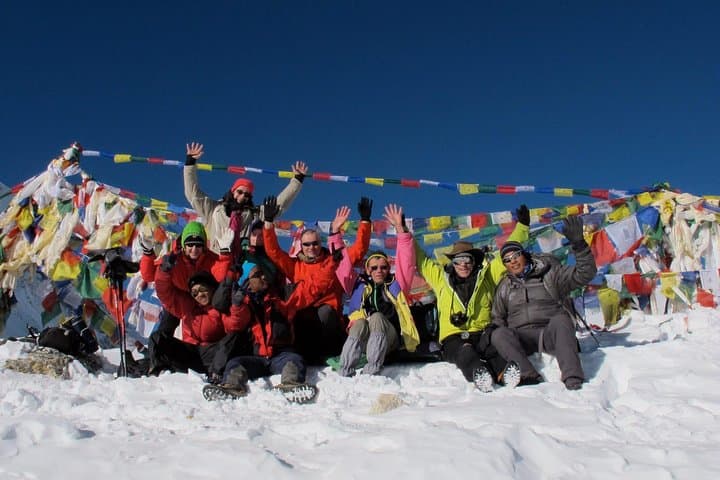
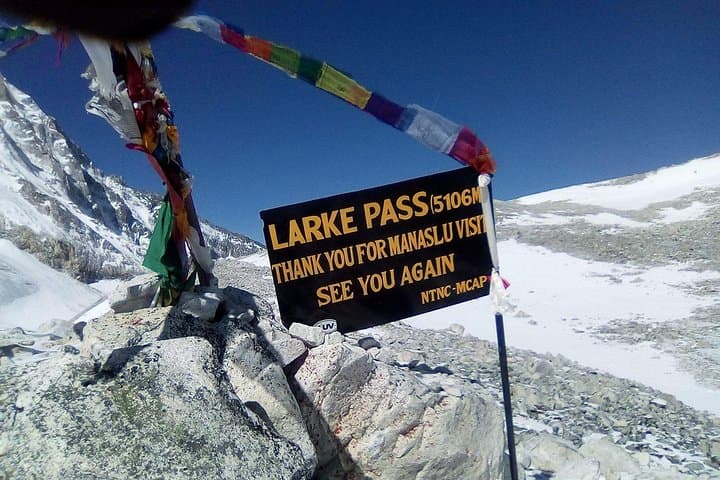
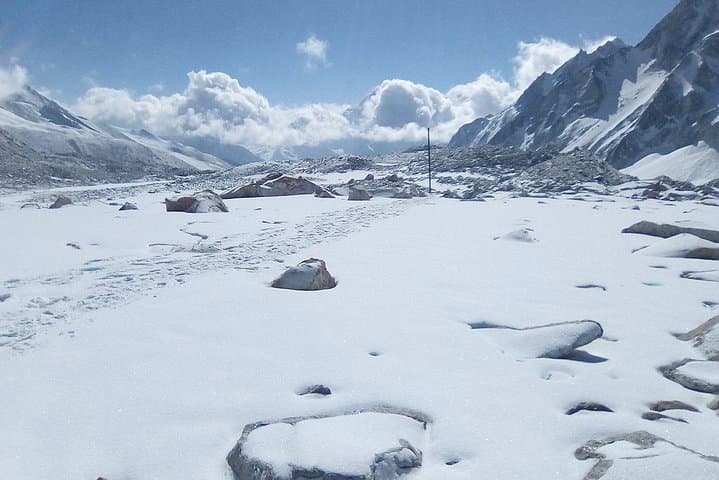
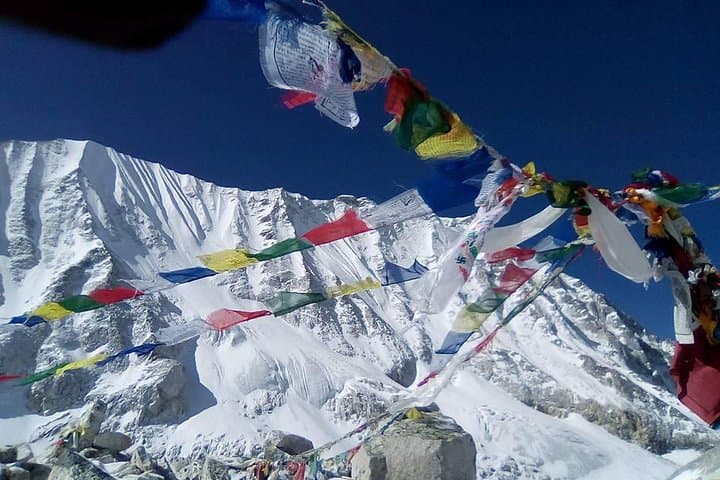
A cold wind pushes across a moraine and the jagged skyline of Annapurna and Manaslu comes into view—this is the first honest sight that the Larke Pass offers. You begin in the teahouse bustle and terraced rice paddies below Soti Khola and end standing on a 5,160m saddle where glaciers and sky meet.
A cold wind pushes across a moraine and the jagged skyline of Annapurna and Manaslu comes into view—this is the first honest sight that the Larke Pass offers. You begin in the teahouse bustle and terraced rice paddies below Soti Khola and end standing on a 5,160m saddle where glaciers and sky meet.
The Manaslu circuit opened to trekkers in 1991 and has remained a managed, restricted-area route; the valley carries footprints of both Himalayan expeditions and long-standing Gurung and Tibetan-influenced communities. Geologically, the trail follows the Budhi Gandaki, carved by ice and rivers through schist and metamorphic beds, with high passes formed by uplift and glacial sculpting. Villages like Philim, Samagaon and Samdo still keep Himalayan Buddhist monasteries and mani walls—culture and altitude walk together here.
Expect long days that alternate forested river valleys, barley terraces and alpine meadows, then thin-air climbs across moraines to the Larkya La. The Manaslu base-camp side hikes and Birendra Lake make useful acclimatization options; the pass day can run 10–12 hours and requires strong pacing and early starts.
Practical guidance: acquire the restricted-area permit and hire an experienced guide (required). Pack layered insulation, a warm sleeping bag rated for −10°C or lower, reliable boots and basic crampons for late spring or autumn snow. Stay hydrated, monitor symptoms of altitude sickness, and use acclimatization days—your chances of reaching the pass rise sharply when you build time into the schedule.
This is a trail of changing seasons and steady effort—bring respect for communities and the mountain weather, and the route will reward with raw high-Himalayan panoramas.