THE ADVENTURE COLLECTIVE® · Independent discovery and booking for outdoor travel

Leave the crowds and follow the Budi Gandaki upstream to a remote Himalayan circuit that crosses Larkya La and circles Mount Manaslu. This 12–14 day trek mixes high alpine terrain, Tibetan-influenced villages, and teahouse stays—ideal for experienced trekkers focused on authentic mountain culture.
Leave the crowds and follow the Budi Gandaki upstream to a remote Himalayan circuit that crosses Larkya La and circles Mount Manaslu. This 12–14 day trek mixes high alpine terrain, Tibetan-influenced villages, and teahouse stays—ideal for experienced trekkers focused on authentic mountain culture.
A pre-dawn bus leaves Kathmandu, headlights cutting through milky air as terraced hills slide by. By evening you stand on the banks of the Budi Gandaki, the river daring you upstream toward rock-cut trails, prayer flags and villages that time has passed by.
Verified experiences and guided adventures in the surrounding area.
Operated by Bodhi Tree Tours Travel and Treks · Samagaon, Gandaki Province
A pre-dawn bus leaves Kathmandu, headlights cutting through milky air as terraced hills slide by. By evening you stand on the banks of the Budi Gandaki, the river daring you upstream toward rock-cut trails, prayer flags and villages that time has passed by.
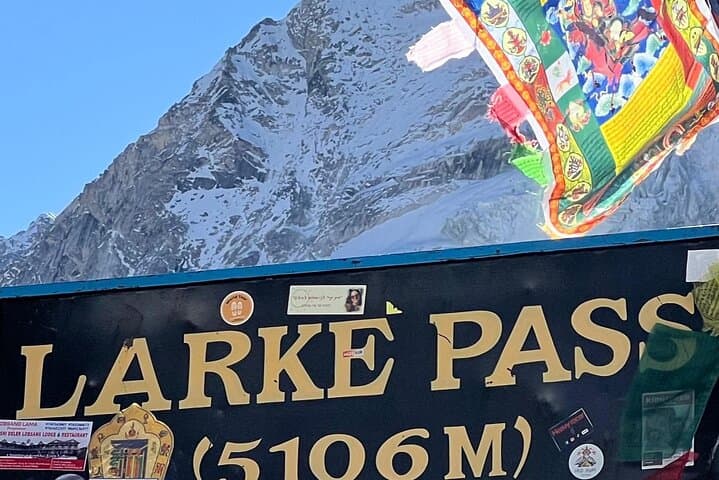
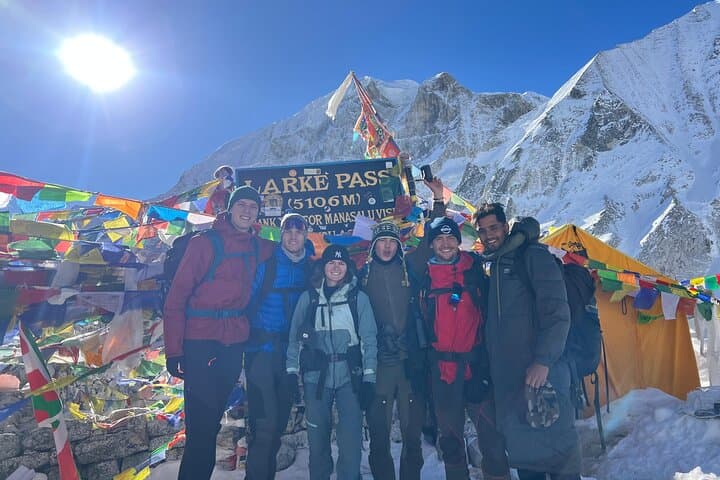
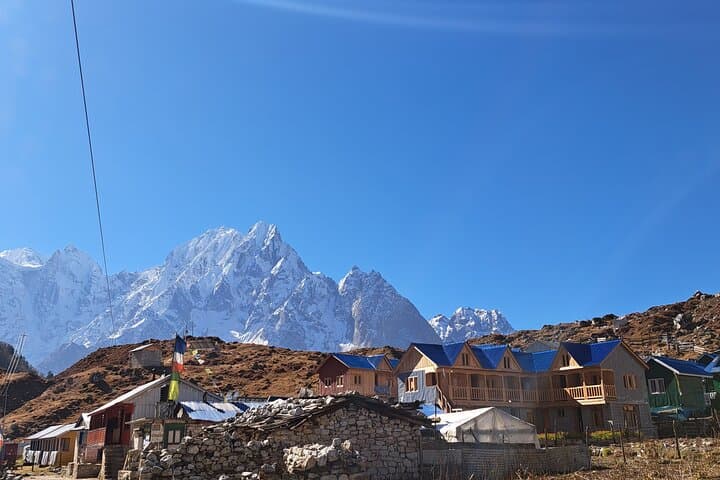
The Manaslu Circuit traces deep glacial valleys around Mount Manaslu (8,163 m), moving from subtropical riverine forests into high alpine tundra and the exposed moraine near Larkya La (5,160 m). This route threads Gurung, Sherpa and Tibetan-influenced settlements—Jagat, Deng, Samagaon and Samdo—where mani walls and gompas mark centuries of Buddhist practice and trans-Himalayan trade.
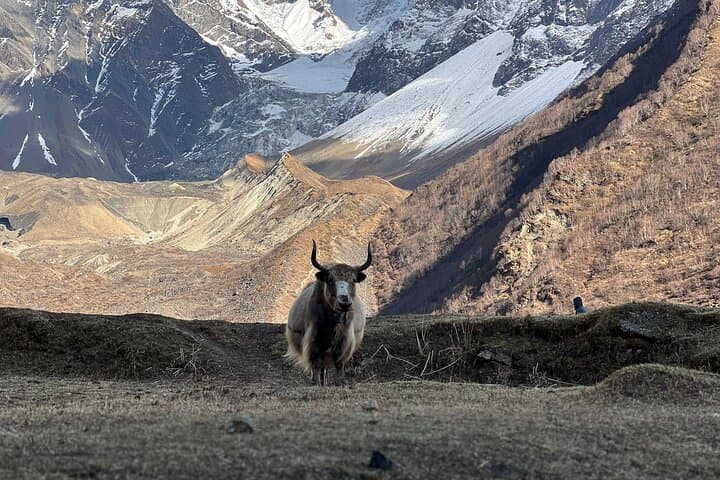
Geologically, the trek traverses uplifted sedimentary strata and active glacial systems carved by the Himalaya’s relentless rise; expect boulder fields, moraines and clear glacier streams. Cultural moments arrive in quiet forms: yak caravans at grazing time, young monks at Ribung Gompa, and stone houses warmed by shared stews in teahouses.
Practically, the circuit is a multi-day high-altitude trek (typically 12–14 days) requiring steady uphill fitness and attention to acclimatization—built-in rest days (Samagaon) and a dawn start for the Larkya La crossing minimize AMS risk. Footwear with firm ankle support, layered insulation, and a reliable sleeping bag or arranged teahouse bedding are essentials.
Plan water purification, sun protection, and contingency days for weather. Guides and porters streamline permits and logistics, but the terrain demands respect: narrow trails, suspension bridges and sudden weather shifts are part of the challenge. Reach the pass and the Himalaya rewards you with glaciers, jagged ridgelines and a long descent back to warmer valleys and the slow comfort of village hospitality.
challenging.
12–14 days.
Good cardiovascular fitness and prior multi-day trekking experience at altitude; able to hike 5–8 hours on steep terrain.
Late spring (April–May) and autumn (September–November) offer the most stable weather, clearer views and accessible trails; early spring may have lingering snow on high passes.
Yes—trempols and Manaslu Conservation Area permits are required and typically arranged by your operator or guide before trekking begins.
Yes—the standard circuit uses teahouse accommodation in most villages, though services become basic past Samdo; bring personal items and warm layers.
Risk is real due to the 5,160 m Larkya La; follow acclimatization schedules, monitor symptoms, and be prepared to descend or seek medical help if AMS develops.
The Manaslu region has long been a corridor between Nepal and Tibet, with villages shaped by centuries of trans-Himalayan trade and Buddhist monastic traditions that still influence local life.
Permits help fund the Manaslu Conservation Area; travelers should stick to trails, pack out waste where possible, and use teahouses to minimize campsite impact.
Bodhi Tree Tours Travel and Treks operates guided outdoor trips and adventures with an emphasis on safety, stewardship, and memorable experiences.
A pre-dawn bus leaves Kathmandu, headlights cutting through milky air as terraced hills slide by. By evening you stand on the banks of the Budi Gandaki, the river daring you upstream toward rock-cut trails, prayer flags and villages that time has passed by.
A pre-dawn bus leaves Kathmandu, headlights cutting through milky air as terraced hills slide by. By evening you stand on the banks of the Budi Gandaki, the river daring you upstream toward rock-cut trails, prayer flags and villages that time has passed by.
The Manaslu Circuit traces deep glacial valleys around Mount Manaslu (8,163 m), moving from subtropical riverine forests into high alpine tundra and the exposed moraine near Larkya La (5,160 m). This route threads Gurung, Sherpa and Tibetan-influenced settlements—Jagat, Deng, Samagaon and Samdo—where mani walls and gompas mark centuries of Buddhist practice and trans-Himalayan trade.
Geologically, the trek traverses uplifted sedimentary strata and active glacial systems carved by the Himalaya’s relentless rise; expect boulder fields, moraines and clear glacier streams. Cultural moments arrive in quiet forms: yak caravans at grazing time, young monks at Ribung Gompa, and stone houses warmed by shared stews in teahouses.
Practically, the circuit is a multi-day high-altitude trek (typically 12–14 days) requiring steady uphill fitness and attention to acclimatization—built-in rest days (Samagaon) and a dawn start for the Larkya La crossing minimize AMS risk. Footwear with firm ankle support, layered insulation, and a reliable sleeping bag or arranged teahouse bedding are essentials.
Plan water purification, sun protection, and contingency days for weather. Guides and porters streamline permits and logistics, but the terrain demands respect: narrow trails, suspension bridges and sudden weather shifts are part of the challenge. Reach the pass and the Himalaya rewards you with glaciers, jagged ridgelines and a long descent back to warmer valleys and the slow comfort of village hospitality.