THE ADVENTURE COLLECTIVE® · Independent discovery and booking for outdoor travel

Crossing the Larke Pass on the Manaslu Circuit is a remote, high-altitude trek through rugged geology and living mountain culture. This guide outlines what to expect on the 14-day route from Kathmandu, including packing, acclimatization, and seasonal considerations.
Crossing the Larke Pass on the Manaslu Circuit is a remote, high-altitude trek through rugged geology and living mountain culture. This guide outlines what to expect on the 14-day route from Kathmandu, including packing, acclimatization, and seasonal considerations.
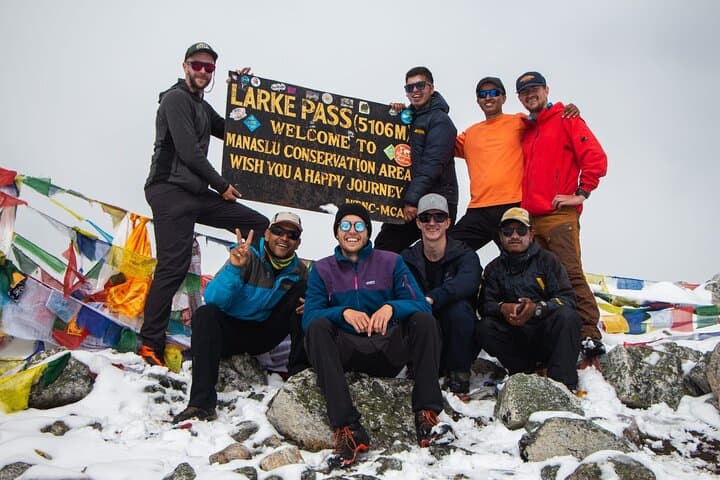
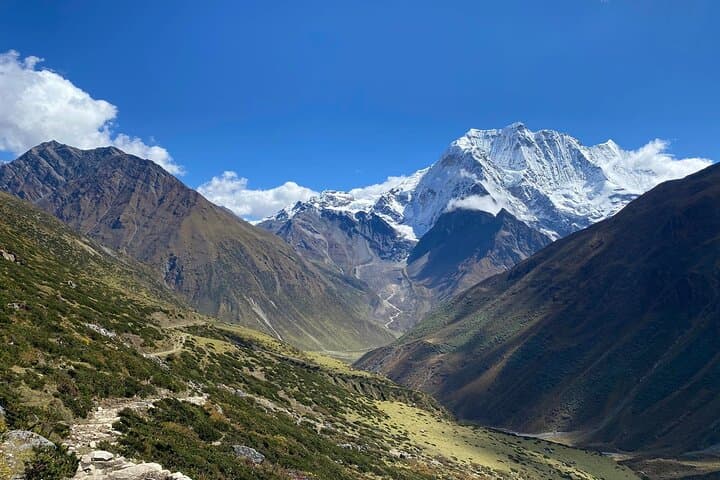
You step off the bus into a thin, cold light and the mountains take over—walls of slate and glacial cirques rising from terraced fields. The Manaslu Circuit unspools from Machha Khola through rhododendron forests, traditional Tamang and Gurung villages, and finally climbs to the Larke Pass (5,160 m), where the world narrows to wind and rock.
Verified experiences and guided adventures in the surrounding area.
Operated by Manaslu Expert · Samagaon, Gandaki Province
You step off the bus into a thin, cold light and the mountains take over—walls of slate and glacial cirques rising from terraced fields. The Manaslu Circuit unspools from Machha Khola through rhododendron forests, traditional Tamang and Gurung villages, and finally climbs to the Larke Pass (5,160 m), where the world narrows to wind and rock.
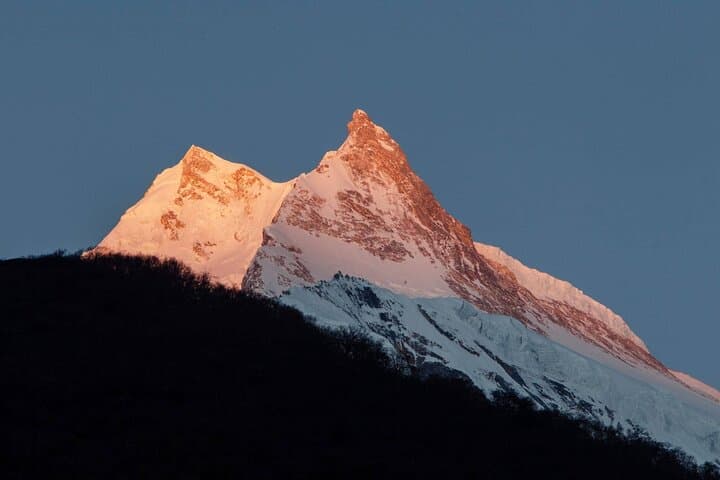
Geology here reads like a live textbook: young fold mountains, moraine-carved valleys, and the granite shoulders of Manaslu itself, 8,163 m. The route threads old trade trails and passes monasteries such as Pungyen Gompa; the restricted Manaslu conservation area was opened to trekkers in the early 1990s, and local communities still maintain tight control of permits.
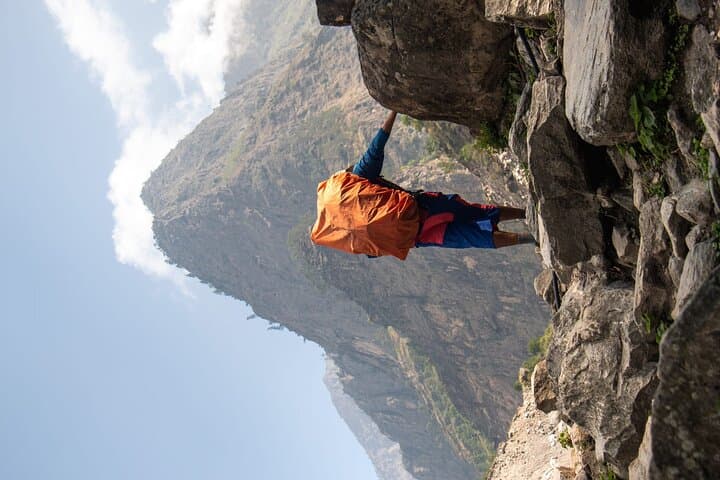
Expect long walking days—several stages above 3,500 m and a marathon-length pass day—balanced by tea-house nights where simple dal bhat and hot water are luxuries. Wildlife is subtle: blue sheep on scree slopes and Himalayan tahr on ridge lines. Weather turns quickly; snow can linger on higher approaches even in spring.
Practical guidance: plan 12–14 days, build acclimatization days (Samagaon and Samdo are typical), and carry a validated trekking permit and Manaslu Restricted Area Permit. Footwear with firm ankle support, warm layers for pre-dawn starts, and a 3-season sleeping bag are essentials—the tea houses provide beds but not consistent bedding. Hydrate deliberately and watch for signs of altitude sickness; the Larke Pass day can take 10–12 hours from Larkya Phedi to Bimthang if conditions are firm.
This is a demanding, remote Himalayan trek: it rewards careful preparation with vast high-mountain panoramas and intimate village culture.
difficult.
14 days.
Requires excellent cardiovascular fitness and multi-day trekking conditioning; experience above 3,000 m recommended
Spring (March–May) and autumn (late Sept–Nov) offer the most stable weather and clear mountain views; spring has rhododendron blooms while autumn yields drier trails.
Yes—trekkers must obtain the Manaslu Restricted Area Permit and TIMS card; permits are checked at multiple checkpoints along the route.
The Larke Pass day is long and demanding—expect 10–12 hours with steep ascent to 5,160 m and a technical descent; early starts and conservative pacing are necessary.
Tea houses provide basic rooms and meals (dal bhat, soup); hot showers and charging may be limited at higher villages—carry a power bank and hygiene supplies.
The Manaslu region sits along traditional trans-Himalayan trade routes and is home to Gurung and Tibetan-influenced communities; restricted-area status began in the 1990s to protect culture and environment.
Permits limit numbers and fees support local conservation; stick to trails, pack out waste when possible, and use established tea-house services to reduce environmental impact.
Manaslu Expert operates guided outdoor trips and adventures with an emphasis on safety, stewardship, and memorable experiences.
You step off the bus into a thin, cold light and the mountains take over—walls of slate and glacial cirques rising from terraced fields. The Manaslu Circuit unspools from Machha Khola through rhododendron forests, traditional Tamang and Gurung villages, and finally climbs to the Larke Pass (5,160 m), where the world narrows to wind and rock.
You step off the bus into a thin, cold light and the mountains take over—walls of slate and glacial cirques rising from terraced fields. The Manaslu Circuit unspools from Machha Khola through rhododendron forests, traditional Tamang and Gurung villages, and finally climbs to the Larke Pass (5,160 m), where the world narrows to wind and rock.
Geology here reads like a live textbook: young fold mountains, moraine-carved valleys, and the granite shoulders of Manaslu itself, 8,163 m. The route threads old trade trails and passes monasteries such as Pungyen Gompa; the restricted Manaslu conservation area was opened to trekkers in the early 1990s, and local communities still maintain tight control of permits.
Expect long walking days—several stages above 3,500 m and a marathon-length pass day—balanced by tea-house nights where simple dal bhat and hot water are luxuries. Wildlife is subtle: blue sheep on scree slopes and Himalayan tahr on ridge lines. Weather turns quickly; snow can linger on higher approaches even in spring.
Practical guidance: plan 12–14 days, build acclimatization days (Samagaon and Samdo are typical), and carry a validated trekking permit and Manaslu Restricted Area Permit. Footwear with firm ankle support, warm layers for pre-dawn starts, and a 3-season sleeping bag are essentials—the tea houses provide beds but not consistent bedding. Hydrate deliberately and watch for signs of altitude sickness; the Larke Pass day can take 10–12 hours from Larkya Phedi to Bimthang if conditions are firm.
This is a demanding, remote Himalayan trek: it rewards careful preparation with vast high-mountain panoramas and intimate village culture.