THE ADVENTURE COLLECTIVE® · Independent discovery and booking for outdoor travel

A demanding 13–19 day route that crosses Larkya La and skirts Mount Manaslu, the circuit combines high passes, Tibetan-influenced villages and basic tea-house nights. Proper permits, acclimatization and layered gear make this a rewarding alternative to Annapurna and Everest circuits.
A demanding 13–19 day route that crosses Larkya La and skirts Mount Manaslu, the circuit combines high passes, Tibetan-influenced villages and basic tea-house nights. Proper permits, acclimatization and layered gear make this a rewarding alternative to Annapurna and Everest circuits.
A damp Kathmandu dawn dissolves into the Himalaya as you trade city dust for river valleys and rhododendron slopes. The road to Arughat winds through tropical foothills; within days the trail tightens, following turquoise rivers that dare you forward and climbing into terraced villages where prayer flags slice the wind. Each night’s tea-house has its own rhythm—simple food, stove-warmed rooms, and the steady murmur of a guide planning the next day’s gain.
Verified experiences and guided adventures in the surrounding area.
Operated by Sunrise Adventure Trek P. Ltd · Kathmandu, Bagmati Province
A damp Kathmandu dawn dissolves into the Himalaya as you trade city dust for river valleys and rhododendron slopes. The road to Arughat winds through tropical foothills; within days the trail tightens, following turquoise rivers that dare you forward and climbing into terraced villages where prayer flags slice the wind. Each night’s tea-house has its own rhythm—simple food, stove-warmed rooms, and the steady murmur of a guide planning the next day’s gain.
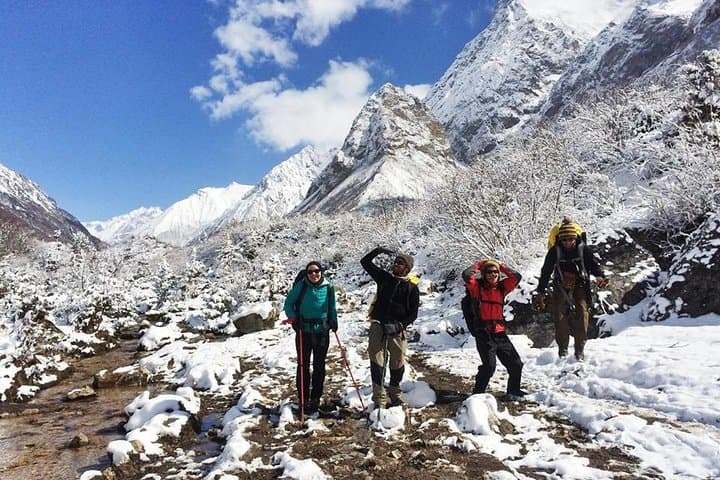
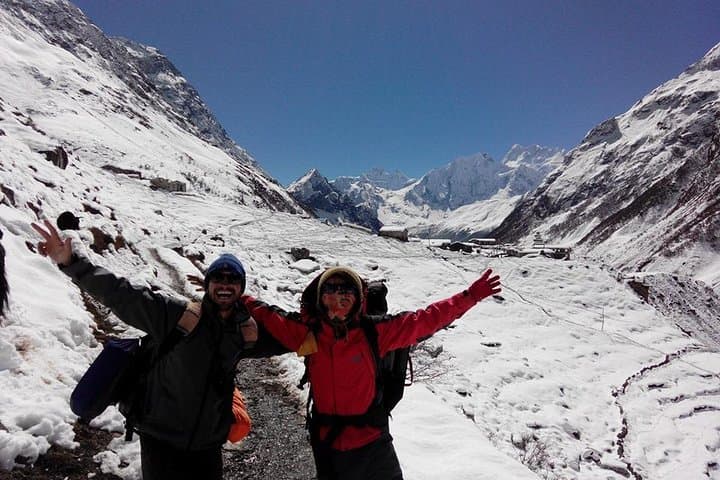
Geology here is active: young fold mountains and glacial moraines carve the route, with moraine lakes and jagged ridgelines framing the approach to Larkya La (5,135 m). Culturally, the circuit threads Tibetan-influenced villages—Sama Gaon, Samdo and Namrung—where monasteries, mani walls and stone houses reflect a pastoral, high-altitude way of life. The region remains controlled by permit to protect local communities and fragile ecology.
Expect long days (4–8 hours on trail), steady altitude gain from valley floors (~600–1,800 m) to high passes, and basic lodges on the higher stages. Acclimatization is the priority: move conservatively, hydrate, and factor rest days. Guides and porters are standard and recommended; permits (Manaslu Restricted Area permit and TIMS) are required before you start. Practical kit includes warm insulated layers, a rigid-sole boot for scree and snow, a reliable sleeping system, and means to treat water.
This trek rewards persistence with close-up views of Manaslu (8,163 m), high alpine plateaus like Bhimthang, and an immersive cultural pace that feels as much like travel as it does a continuous ascent.
challenging.
13–19 days.
Good aerobic fitness with experience on multi-day treks; ability to carry a daypack and walk 4–8 hours on uneven terrain.
Yes. Trekking the Manaslu Circuit requires a Manaslu Restricted Area permit and a TIMS card; these are typically arranged by your operator before you enter the restricted zone.
The highest point is Larkya La at about 5,135 m (16,847 ft); acclimatization and slow ascent are essential to reduce altitude sickness risk.
Yes—most nights are spent in tea houses or basic lodges with shared rooms; facilities become simpler above 3,500 m so be prepared for basic amenities.
Late September–November and March–May are the most reliable for stable weather and clear mountain views; winter is cold and monsoon can affect the trail in summer.
The Manaslu region has long been a cultural crossroads between Nepal and Tibetan plateaus; access is controlled to protect traditional communities and their lands.
The restricted-permit system limits visitor numbers; practice pack-in/pack-out, use local guides and minimize single-use plastics to reduce impact.
Sunrise Adventure Trek P. Ltd operates guided outdoor trips and adventures with an emphasis on safety, stewardship, and memorable experiences.
A damp Kathmandu dawn dissolves into the Himalaya as you trade city dust for river valleys and rhododendron slopes. The road to Arughat winds through tropical foothills; within days the trail tightens, following turquoise rivers that dare you forward and climbing into terraced villages where prayer flags slice the wind. Each night’s tea-house has its own rhythm—simple food, stove-warmed rooms, and the steady murmur of a guide planning the next day’s gain.
A damp Kathmandu dawn dissolves into the Himalaya as you trade city dust for river valleys and rhododendron slopes. The road to Arughat winds through tropical foothills; within days the trail tightens, following turquoise rivers that dare you forward and climbing into terraced villages where prayer flags slice the wind. Each night’s tea-house has its own rhythm—simple food, stove-warmed rooms, and the steady murmur of a guide planning the next day’s gain.
Geology here is active: young fold mountains and glacial moraines carve the route, with moraine lakes and jagged ridgelines framing the approach to Larkya La (5,135 m). Culturally, the circuit threads Tibetan-influenced villages—Sama Gaon, Samdo and Namrung—where monasteries, mani walls and stone houses reflect a pastoral, high-altitude way of life. The region remains controlled by permit to protect local communities and fragile ecology.
Expect long days (4–8 hours on trail), steady altitude gain from valley floors (~600–1,800 m) to high passes, and basic lodges on the higher stages. Acclimatization is the priority: move conservatively, hydrate, and factor rest days. Guides and porters are standard and recommended; permits (Manaslu Restricted Area permit and TIMS) are required before you start. Practical kit includes warm insulated layers, a rigid-sole boot for scree and snow, a reliable sleeping system, and means to treat water.
This trek rewards persistence with close-up views of Manaslu (8,163 m), high alpine plateaus like Bhimthang, and an immersive cultural pace that feels as much like travel as it does a continuous ascent.