THE ADVENTURE COLLECTIVE® · Independent discovery and booking for outdoor travel

A 14-day tea-house trek that circles the Manaslu massif and crosses Larke-La (5,106 m). Expect long walking days, high passes, regulated permits and vivid Himalayan panoramas.
A 14-day tea-house trek that circles the Manaslu massif and crosses Larke-La (5,106 m). Expect long walking days, high passes, regulated permits and vivid Himalayan panoramas.
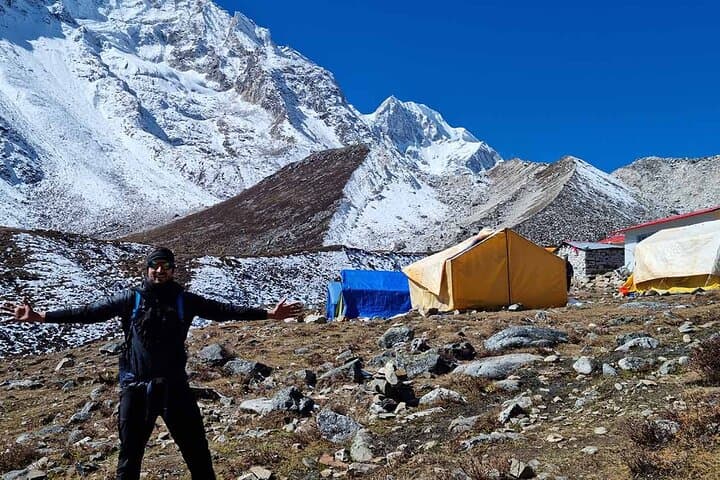
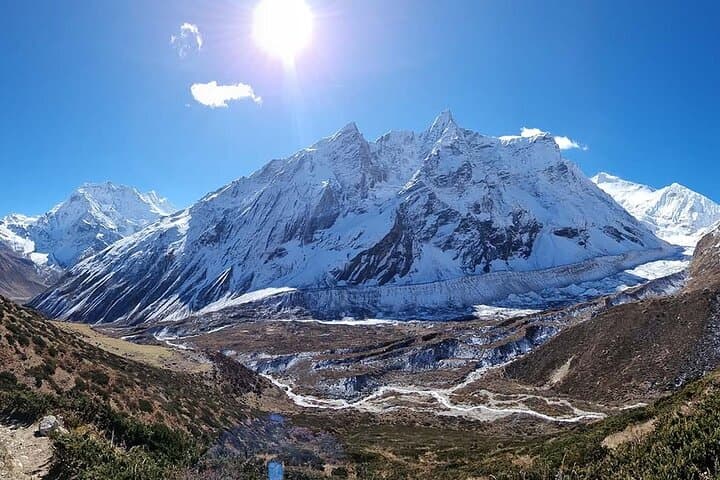
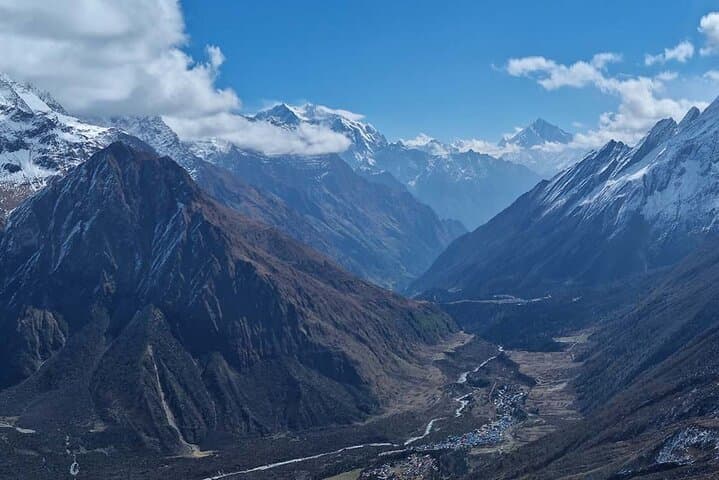
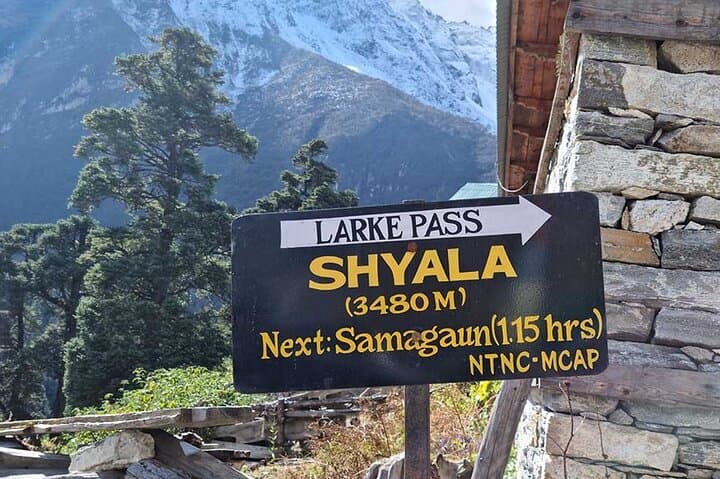
On the trail above a braided river, the Manaslu Circuit opens like a map of weather and rock: tight river gorges give way to rhododendron forests, then to high, wind-scoured moraine beneath the Larke-La at 5,106 m. Hikers move in stages—tea houses for nights, a single acclimatization day at Sama Gaon—so the landscape becomes a slow reveal rather than a sprint.
Verified experiences and guided adventures in the surrounding area.
Operated by Himalayan 360 · Soti Khola, Gandaki Province
On the trail above a braided river, the Manaslu Circuit opens like a map of weather and rock: tight river gorges give way to rhododendron forests, then to high, wind-scoured moraine beneath the Larke-La at 5,106 m. Hikers move in stages—tea houses for nights, a single acclimatization day at Sama Gaon—so the landscape becomes a slow reveal rather than a sprint.
This is a route through recent geological drama: the Manaslu massif is part of the great Himalayan uplift, where granite and metamorphic cliffs rise abruptly from river valleys carved by glacial action. The area became a regulated trekking zone in the 1990s; permits, a minimum group size and guide requirements reflect both cultural sensitivity and safety in a restricted district shared by small Gurung and Tibetan-influenced communities.
Villages along the trail still live by subsistence agriculture and yak trade; mani walls and prayer flags mark passages where pilgrims and shepherds move seasonally. The Larke-La crossing is the high point — expect thin air, rock-armored slopes and sudden panoramas of Manaslu, Annapurna II and Kang Guru.
Practical side: the full itinerary spans roughly 12–14 days on trek with long walking days up to 8 hours and sustained gains to above 5,000 m. Prepare for variable trail underfoot — riverbed scree, packed earth, and high-mountain talus — and for cold nights in teahouses.
Plan permits and a licensed guide in advance, train with long uphill hikes, carry layered clothing and reliable boots, and respect local waste rules: the mountains demand both effort and humility.
challenging.
12–14 days (trek days).
Requires good cardiovascular fitness, experience with sustained uphill days and ability to carry a daypack at high altitude
Yes; Manaslu is a restricted area requiring a special permit and TIMS card; permits are issued on business days and typically require at least two trekkers and a licensed guide.
The highest point is Larke-La at about 5,106 m, reached on a long, early start day with rocky, glacier-adjacent terrain.
Accommodation is primarily teahouse lodges with basic rooms and shared facilities; food is simple but hearty—bring snacks for high days.
Autumn (Sept–Nov) and spring (Mar–May) are best for stable weather and mountain views; monsoon and winter present more hazards.
The Manaslu region opened gradually to foreign trekkers in the 1990s; it remains regulated to protect local communities and cultural sites.
The Manaslu Conservation Area enforces permit rules, community-managed lodges and waste-reduction measures—carry out all non-biodegradable trash and follow local guidance.
Himalayan 360 operates guided outdoor trips and adventures with an emphasis on safety, stewardship, and memorable experiences.
On the trail above a braided river, the Manaslu Circuit opens like a map of weather and rock: tight river gorges give way to rhododendron forests, then to high, wind-scoured moraine beneath the Larke-La at 5,106 m. Hikers move in stages—tea houses for nights, a single acclimatization day at Sama Gaon—so the landscape becomes a slow reveal rather than a sprint.
On the trail above a braided river, the Manaslu Circuit opens like a map of weather and rock: tight river gorges give way to rhododendron forests, then to high, wind-scoured moraine beneath the Larke-La at 5,106 m. Hikers move in stages—tea houses for nights, a single acclimatization day at Sama Gaon—so the landscape becomes a slow reveal rather than a sprint.
This is a route through recent geological drama: the Manaslu massif is part of the great Himalayan uplift, where granite and metamorphic cliffs rise abruptly from river valleys carved by glacial action. The area became a regulated trekking zone in the 1990s; permits, a minimum group size and guide requirements reflect both cultural sensitivity and safety in a restricted district shared by small Gurung and Tibetan-influenced communities.
Villages along the trail still live by subsistence agriculture and yak trade; mani walls and prayer flags mark passages where pilgrims and shepherds move seasonally. The Larke-La crossing is the high point — expect thin air, rock-armored slopes and sudden panoramas of Manaslu, Annapurna II and Kang Guru.
Practical side: the full itinerary spans roughly 12–14 days on trek with long walking days up to 8 hours and sustained gains to above 5,000 m. Prepare for variable trail underfoot — riverbed scree, packed earth, and high-mountain talus — and for cold nights in teahouses.
Plan permits and a licensed guide in advance, train with long uphill hikes, carry layered clothing and reliable boots, and respect local waste rules: the mountains demand both effort and humility.