THE ADVENTURE COLLECTIVE® · Independent discovery and booking for outdoor travel

Spend a full day from Belgrade exploring Serbia’s fortified Manasija Monastery, the ancient Resava Cave, and the karst drama of Veliki Buk waterfall. This combined cultural-and-nature tour pairs medieval frescoes with underground chambers and scenic cascades.
Spend a full day from Belgrade exploring Serbia’s fortified Manasija Monastery, the ancient Resava Cave, and the karst drama of Veliki Buk waterfall. This combined cultural-and-nature tour pairs medieval frescoes with underground chambers and scenic cascades.
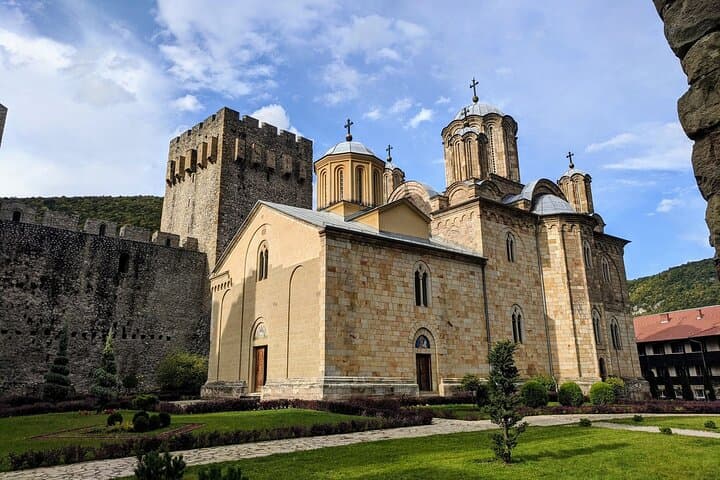
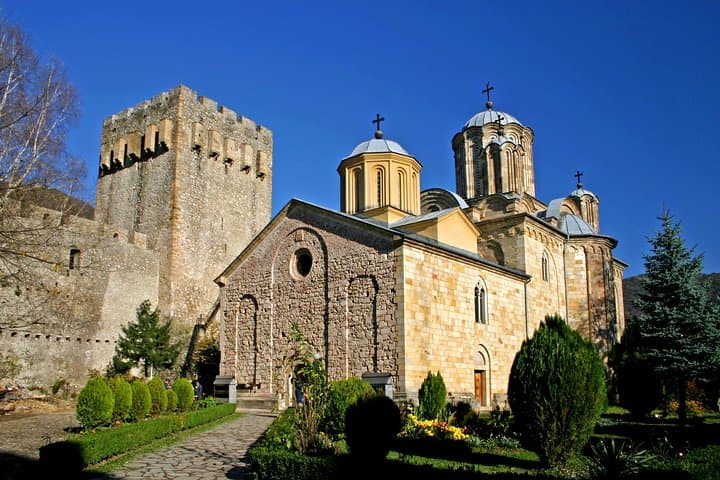
The day begins before dawn in Belgrade as a small air-conditioned minivan carves north toward the low, forested hills of Pomoravlje. By mid-morning the fortress-like silhouette of Manasija Monastery appears—massive stone walls and eleven towers rising from the green, the Despot’s Tower watching like an old guard.
Verified experiences and guided adventures in the surrounding area.
Operated by VICTOR TOURS · Belgrade, Belgrade
The day begins before dawn in Belgrade as a small air-conditioned minivan carves north toward the low, forested hills of Pomoravlje. By mid-morning the fortress-like silhouette of Manasija Monastery appears—massive stone walls and eleven towers rising from the green, the Despot’s Tower watching like an old guard.
Beyond the view there is history: built by Despot Stefan Lazarević between 1406–1418, Manasija is a prime example of the Morava architectural style. Inside the Church of the Holy Trinity, frescoes survive with remarkable clarity—the choir’s warriors and prophets in the dome keep the gaze of centuries. The monastery’s scriptorium and the ‘Resava orthography’ shaped Serbian medieval literacy, and the refectory and library fragments hint at a once-thriving scholarly center.
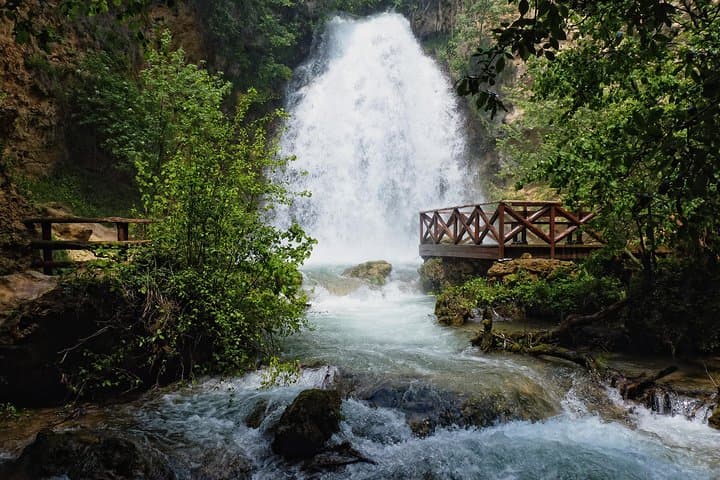
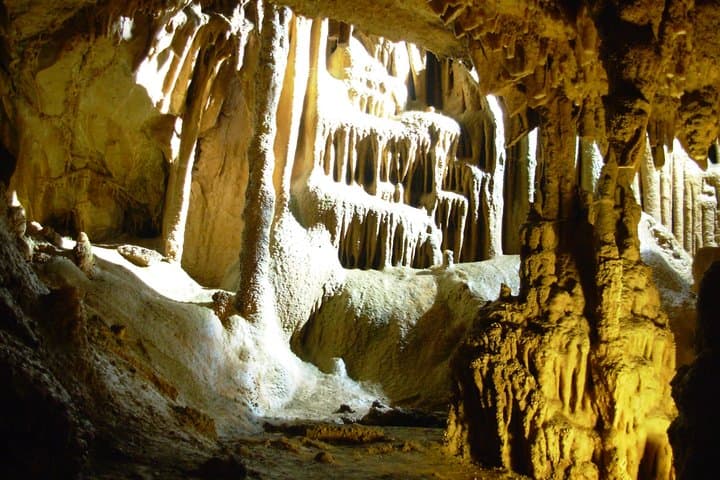
Later the group slips beneath the earth into Resava Cave, a karst cavern system that geologists date to roughly 80 million years ago. Stalactites, stalagmites, draperies and columnar formations fill chambers lit for walking; the cave’s three levels and artificial tunnels reveal complex hydrology and slow geological patience. A short drive farther brings Veliki Buk (Lisine) waterfall, a 20–25 meter drop where karst water still dares the cliff edge and cools the air.
Practical guidance: the full-day tour lasts about 8–9 hours and includes hotel pick-up. Modest clothing is required for sacred sites; sturdy, non-slip shoes are recommended for uneven cave floors and slick paths near the waterfall. Bring a light jacket—cave temperatures stay low year-round—plus water, layers, and a charged camera battery. Expect moderate walking, many steps, and a steady, history-rich pace.
moderate.
8–9 hours.
Moderate fitness: comfortable walking over stairs, uneven surfaces, and short slopes throughout the day.
Resava Cave entrance is included on this tour; Manasija Monastery access is part of the itinerary—dress codes still apply for places of worship.
The tour is moderate: expect several stair sections in the cave and at the monastery, plus short walks to viewpoints; no technical climbing is required.
Yes—there’s a scheduled lunch stop near Veliki Buk (lunch not included) and restroom facilities at major stops, though countryside services can be basic.
Pickup is from accommodations in Belgrade; cancel at least 24 hours in advance for a full refund per the tour’s standard policy.
Manasija was founded by Despot Stefan Lazarević in the early 15th century and became a cultural hub with a scriptorium whose orthography influenced Serbian medieval manuscript tradition.
Resava Cave’s microclimate is fragile—avoid touching formations and stick to marked paths; Veliki Buk is a protected natural monument with visitor rules to minimize erosion and litter.
VICTOR TOURS operates guided outdoor trips and adventures with an emphasis on safety, stewardship, and memorable experiences.
The day begins before dawn in Belgrade as a small air-conditioned minivan carves north toward the low, forested hills of Pomoravlje. By mid-morning the fortress-like silhouette of Manasija Monastery appears—massive stone walls and eleven towers rising from the green, the Despot’s Tower watching like an old guard.
The day begins before dawn in Belgrade as a small air-conditioned minivan carves north toward the low, forested hills of Pomoravlje. By mid-morning the fortress-like silhouette of Manasija Monastery appears—massive stone walls and eleven towers rising from the green, the Despot’s Tower watching like an old guard.
Beyond the view there is history: built by Despot Stefan Lazarević between 1406–1418, Manasija is a prime example of the Morava architectural style. Inside the Church of the Holy Trinity, frescoes survive with remarkable clarity—the choir’s warriors and prophets in the dome keep the gaze of centuries. The monastery’s scriptorium and the ‘Resava orthography’ shaped Serbian medieval literacy, and the refectory and library fragments hint at a once-thriving scholarly center.
Later the group slips beneath the earth into Resava Cave, a karst cavern system that geologists date to roughly 80 million years ago. Stalactites, stalagmites, draperies and columnar formations fill chambers lit for walking; the cave’s three levels and artificial tunnels reveal complex hydrology and slow geological patience. A short drive farther brings Veliki Buk (Lisine) waterfall, a 20–25 meter drop where karst water still dares the cliff edge and cools the air.
Practical guidance: the full-day tour lasts about 8–9 hours and includes hotel pick-up. Modest clothing is required for sacred sites; sturdy, non-slip shoes are recommended for uneven cave floors and slick paths near the waterfall. Bring a light jacket—cave temperatures stay low year-round—plus water, layers, and a charged camera battery. Expect moderate walking, many steps, and a steady, history-rich pace.