THE ADVENTURE COLLECTIVE® · Independent discovery and booking for outdoor travel

A six-day private road trip from Chandigarh that threads Manali, Kullu and Shimla—mountain drives, hot springs, colonial ridge walks and optional snowfields near Rohtang. Expect varied terrain, altitude swings and a mix of cultural sites and outdoor stops.
A six-day private road trip from Chandigarh that threads Manali, Kullu and Shimla—mountain drives, hot springs, colonial ridge walks and optional snowfields near Rohtang. Expect varied terrain, altitude swings and a mix of cultural sites and outdoor stops.
The bus pulls away from Chandigarh before dawn and the foothills begin to rise like pages turning—low terraces give way to pine-stitched slopes and the air thins into a cleaner, colder voice.
Verified experiences and guided adventures in the surrounding area.
Operated by Indian Travel Online · Manali, Himachal Pradesh
The bus pulls away from Chandigarh before dawn and the foothills begin to rise like pages turning—low terraces give way to pine-stitched slopes and the air thins into a cleaner, colder voice.
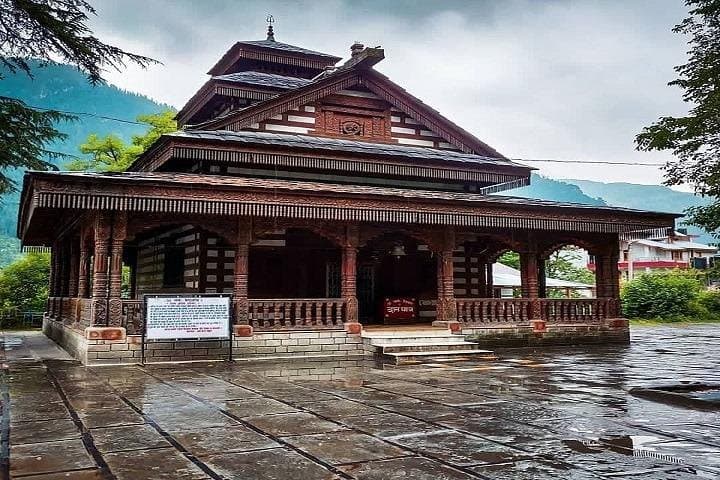
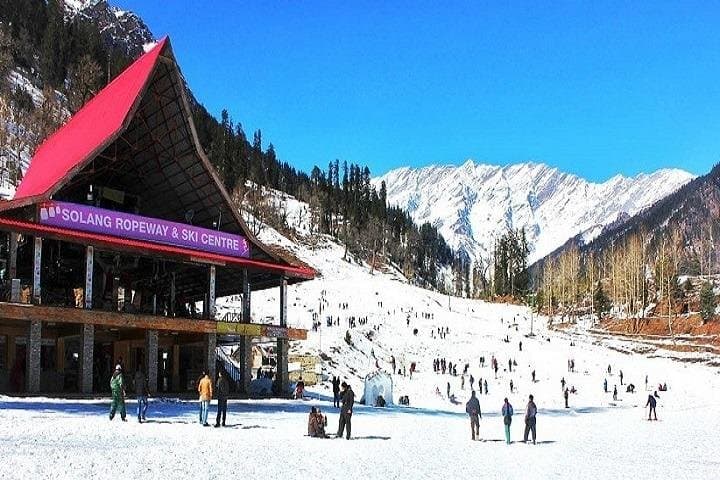
By day two you’re walking among cedar-scented lanes in Manali, the Hidimba Devi temple’s carved wooden pagoda shading a courtyard where pilgrims light lamps. The Beas River runs impatiently nearby, daring you to slow down as it cuts through Kullu’s broad valley. From Solang’s ski slopes you can see glaciers edge the ridgelines; Shimla’s colonial ridge offers broad panoramas and the Christ Church silhouette against sky.
This route stitches together local history—Shimla’s role as the British summer capital, Kullu’s centuries-old shawl weaving, and Manali’s mix of Himalayan folk and Tibetan Buddhist influences. Geology is immediate: uplifted rocks of the Pir Panjal, glacial deposits in the high meadows, and narrow river gorges shaped by seasonal snowmelt.
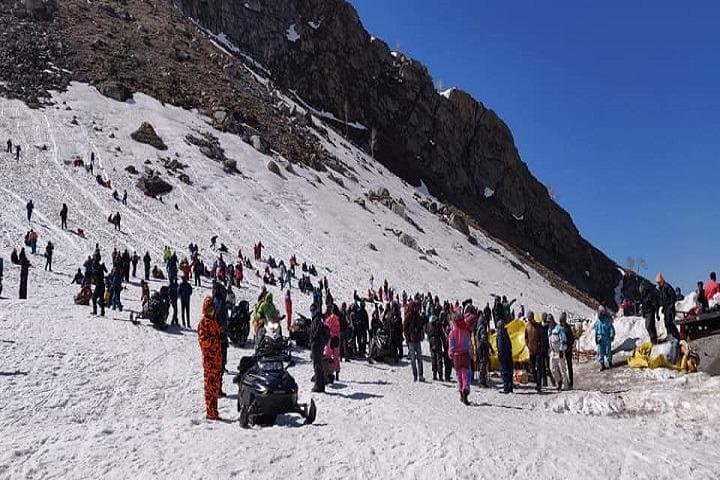
Practical guidance: plan for altitude swings—carry layers and a basic first-aid kit. Expect long drives on mountain roads; breaks for photos and short walks are frequent but bring comfortable shoes. If you aim for Rohtang, check permit rules and seasonal closures; when access is limited the agreed “up-to-snow-line” option delivers snowfields nearer Manali. Local culture favors modest dress at temples and small cash payments at rural stalls.
Hydrate, pack a refillable bottle, and leave plastic behind—the best way to keep these valleys wild for the next traveler.
moderate.
6 days.
Suitable for travelers in average fitness; able to handle several hours of walking and long car transfers; be prepared for brief high-altitude exposure.
Yes—private transfers typically include assistance with luggage at hotels and major stops; keep valuables and essentials in your daypack.
Rohtang often requires a government permit and has vehicle/entry limits; many operators offer alternatives up to the snow line when access is restricted.
Manali sits around 2,050 m (6,700 ft), Solang Valley and nearby snowfields are higher; Shimla is about 2,200 m (7,200 ft), so mild altitude effects are possible.
According to the itinerary, five nights’ accommodation and daily breakfast and dinner are included; check specifics for any meals or activities listed as extra cost.
Shimla served as the British Raj’s summer capital; Kullu has long been known for shawl weaving and river valley trade, while Manali’s Hidimba Devi Temple dates back several centuries.
The region faces pressure from seasonal tourism, limited waste infrastructure and regulated access (notably Rohtang) to protect fragile alpine ecosystems—use local services, avoid single-use plastics and follow permit rules.
Indian Travel Online operates guided outdoor trips and adventures with an emphasis on safety, stewardship, and memorable experiences.
The bus pulls away from Chandigarh before dawn and the foothills begin to rise like pages turning—low terraces give way to pine-stitched slopes and the air thins into a cleaner, colder voice.
The bus pulls away from Chandigarh before dawn and the foothills begin to rise like pages turning—low terraces give way to pine-stitched slopes and the air thins into a cleaner, colder voice.
By day two you’re walking among cedar-scented lanes in Manali, the Hidimba Devi temple’s carved wooden pagoda shading a courtyard where pilgrims light lamps. The Beas River runs impatiently nearby, daring you to slow down as it cuts through Kullu’s broad valley. From Solang’s ski slopes you can see glaciers edge the ridgelines; Shimla’s colonial ridge offers broad panoramas and the Christ Church silhouette against sky.
This route stitches together local history—Shimla’s role as the British summer capital, Kullu’s centuries-old shawl weaving, and Manali’s mix of Himalayan folk and Tibetan Buddhist influences. Geology is immediate: uplifted rocks of the Pir Panjal, glacial deposits in the high meadows, and narrow river gorges shaped by seasonal snowmelt.
Practical guidance: plan for altitude swings—carry layers and a basic first-aid kit. Expect long drives on mountain roads; breaks for photos and short walks are frequent but bring comfortable shoes. If you aim for Rohtang, check permit rules and seasonal closures; when access is limited the agreed “up-to-snow-line” option delivers snowfields nearer Manali. Local culture favors modest dress at temples and small cash payments at rural stalls.
Hydrate, pack a refillable bottle, and leave plastic behind—the best way to keep these valleys wild for the next traveler.