THE ADVENTURE COLLECTIVE® · Independent discovery and booking for outdoor travel

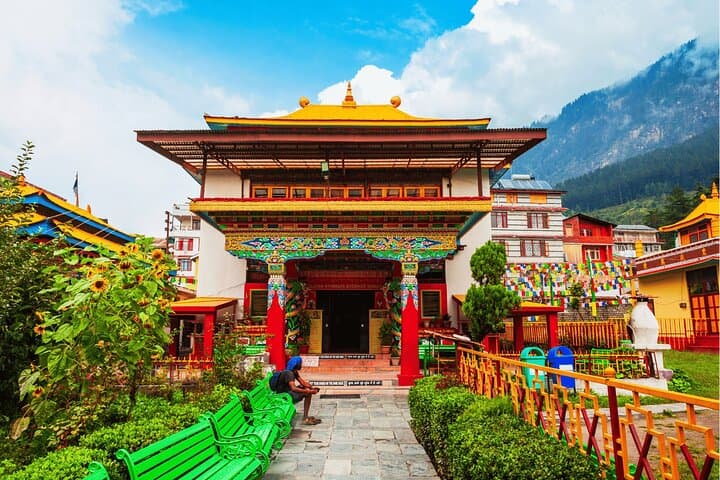
Walk Manali’s old town with a storyteller guide: from Mall Road bustle to cedar groves, Hidimba Devi temple and Tibetan monasteries. This two-hour tour blends local history, architecture and practical tips to orient first-time visitors.
Walk Manali’s old town with a storyteller guide: from Mall Road bustle to cedar groves, Hidimba Devi temple and Tibetan monasteries. This two-hour tour blends local history, architecture and practical tips to orient first-time visitors.
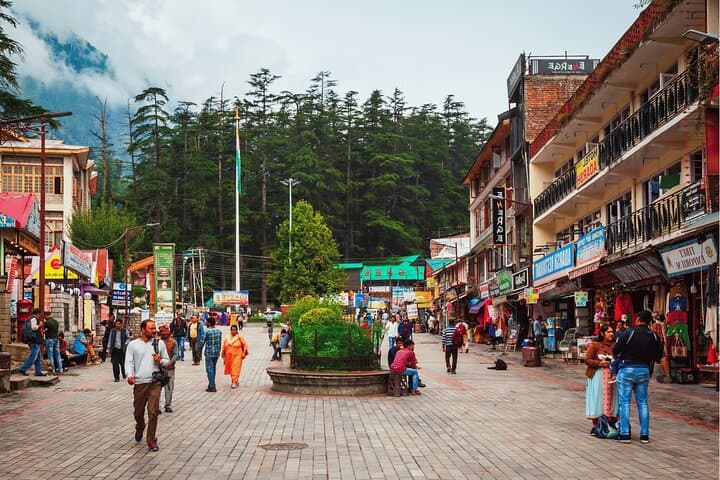
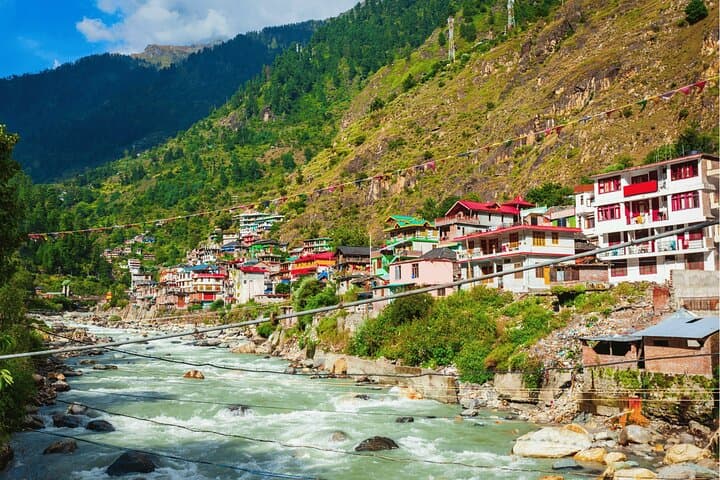
You step off Mall Road and the town changes pace: prayer flags flutter above narrow lanes, a river's distant voice threads through the market, and cedars lean like old storytellers over stone steps.
Verified experiences and guided adventures in the surrounding area.
Operated by Yo Tours · Manali, Himachal Pradesh
You step off Mall Road and the town changes pace: prayer flags flutter above narrow lanes, a river's distant voice threads through the market, and cedars lean like old storytellers over stone steps.
This two-hour walk threads Manali’s compact historic core — Mall Road, the Hidimba Devi temple, Tibetan monasteries and the Museum of Himachal Culture. The route moves from bustling bazaars into quieter alleys where wooden houses show centuries of Himalayan carpentry and local vendors trade yak-butter tea for travel tales.
Historically Manali is associated with the sage Manu and later developed as a Himalayan trade and pilgrimage stop; the Hidimba Devi shrine reflects local Pahari woodwork and myth, while nearby monasteries speak to Buddhist influence from Lahaul and Spiti. Geologically, the valley sits where youthful Himalayan folds rise sharply from the Beas river plain, so expect short ups and downs and stone-paved lanes. Culturally the town blends Hindu, Tibetan-Buddhist and Himachali customs; storytellers on this tour frame artifacts and architecture with contemporary local life.
Practical guidance: wear grippy shoes for uneven stone and wooden steps, bring a light layer for sudden mountain breezes, and carry small local currency for market purchases. Tours are family-friendly and accessible by public transport; mornings are cooler and less crowded, late afternoons emphasize golden light for photos. Respect temple protocol, ask before photographing people, and leave no trace in the fragile cedar groves. In two hours you’ll get orientation, history, and local tips that turn the rest of your Manali visit from sightseeing into context-rich exploration.
easy.
2 hours.
Suitable for most fitness levels; requires walking on uneven surfaces and short inclines.
The tour lasts about two hours and covers Mall Road, Manali Bazaar, Hidimba Devi Temple, Van Vihar area, local monasteries and the Museum of Himachal Culture.
Yes—it's rated easy and suitable for most ages, though there are uneven surfaces and short steps; slower-paced requests can usually be accommodated.
Most stops on this walking tour are viewed from public areas; if a site requires entry, your guide will advise in advance—carry small cash for modest entrance fees.
Guides for this tour commonly speak English and Hindi; check booking details if you need another language.
Manali is traditionally linked to the Vedic sage Manu; over centuries it became a crossroads of Himalayan trade and religious traditions reflected in its temples and monasteries.
Visitor pressure affects fragile cedar groves and riverside areas—avoid littering, don’t feed wildlife, and use refillable bottles to reduce plastic waste.
Yo Tours operates guided outdoor trips and adventures with an emphasis on safety, stewardship, and memorable experiences.
You step off Mall Road and the town changes pace: prayer flags flutter above narrow lanes, a river's distant voice threads through the market, and cedars lean like old storytellers over stone steps.
You step off Mall Road and the town changes pace: prayer flags flutter above narrow lanes, a river's distant voice threads through the market, and cedars lean like old storytellers over stone steps.
This two-hour walk threads Manali’s compact historic core — Mall Road, the Hidimba Devi temple, Tibetan monasteries and the Museum of Himachal Culture. The route moves from bustling bazaars into quieter alleys where wooden houses show centuries of Himalayan carpentry and local vendors trade yak-butter tea for travel tales.
Historically Manali is associated with the sage Manu and later developed as a Himalayan trade and pilgrimage stop; the Hidimba Devi shrine reflects local Pahari woodwork and myth, while nearby monasteries speak to Buddhist influence from Lahaul and Spiti. Geologically, the valley sits where youthful Himalayan folds rise sharply from the Beas river plain, so expect short ups and downs and stone-paved lanes. Culturally the town blends Hindu, Tibetan-Buddhist and Himachali customs; storytellers on this tour frame artifacts and architecture with contemporary local life.
Practical guidance: wear grippy shoes for uneven stone and wooden steps, bring a light layer for sudden mountain breezes, and carry small local currency for market purchases. Tours are family-friendly and accessible by public transport; mornings are cooler and less crowded, late afternoons emphasize golden light for photos. Respect temple protocol, ask before photographing people, and leave no trace in the fragile cedar groves. In two hours you’ll get orientation, history, and local tips that turn the rest of your Manali visit from sightseeing into context-rich exploration.