THE ADVENTURE COLLECTIVE® · Independent discovery and booking for outdoor travel

Ride the 2.8 km cable car from Kurintar to Manakamana Temple for a compact day of steep views, living legend, and a direct window into Nepali devotional life. This half‑day tour pairs scenic ascent with cultural insight—ideal for travelers short on time but hungry for an authentic pilgrimage experience.
Ride the 2.8 km cable car from Kurintar to Manakamana Temple for a compact day of steep views, living legend, and a direct window into Nepali devotional life. This half‑day tour pairs scenic ascent with cultural insight—ideal for travelers short on time but hungry for an authentic pilgrimage experience.
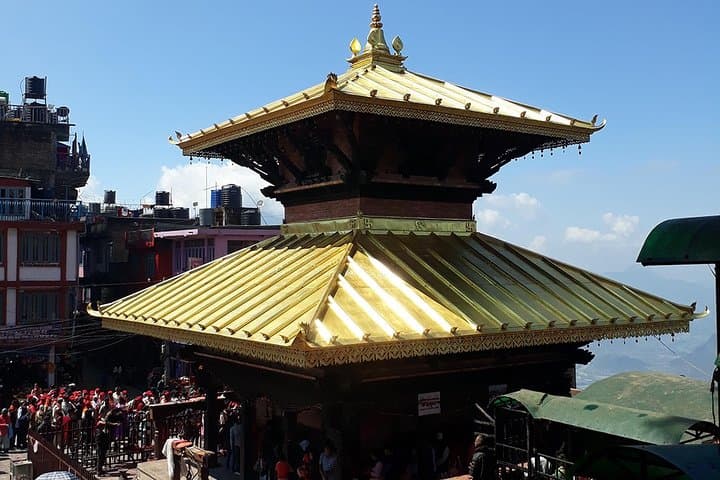
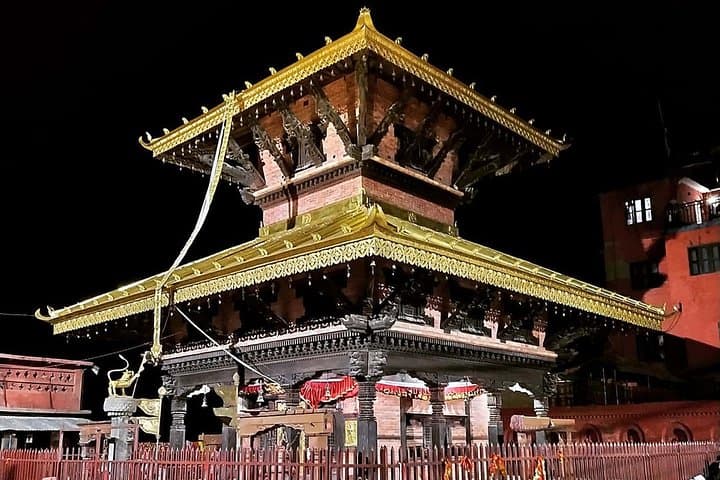
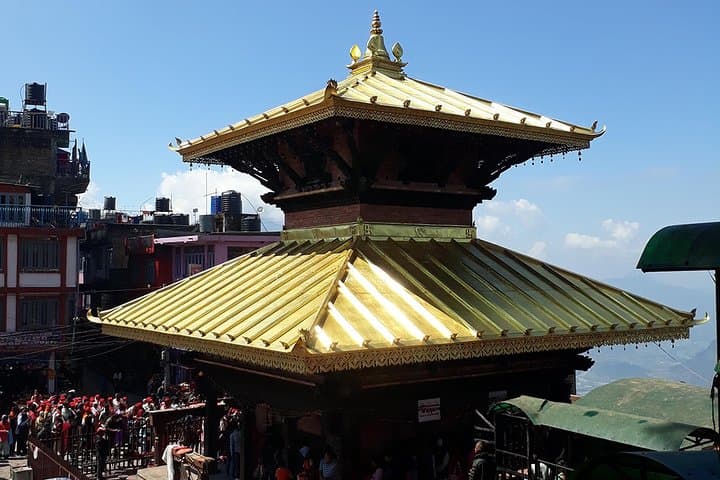
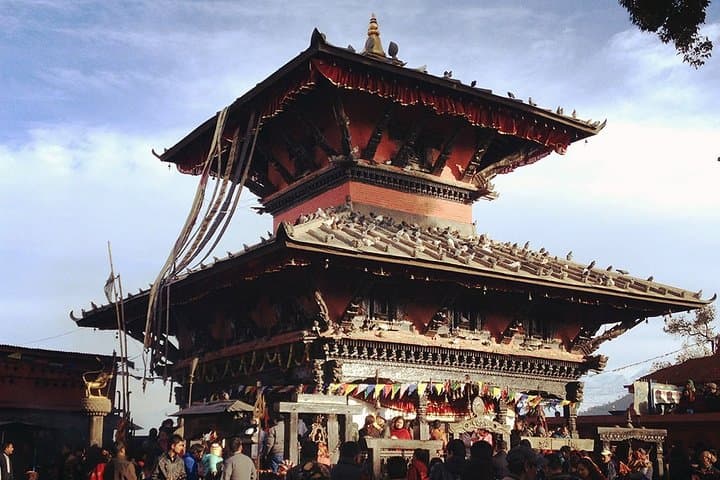
You step into the valley air at Kurintar, the cable car station humming as gondolas climb a steep green spine toward the silhouette of Manakamana Temple. Ten minutes of glass-framed ascent unspools below—terraced fields, river bends, a patchwork of villages—then the temple appears, venerable stone and the hush of worshippers, the hill itself seeming to hold its breath.
Verified experiences and guided adventures in the surrounding area.
Operated by Alpine Club of Himalaya · Kurintar, Gandaki Province
You step into the valley air at Kurintar, the cable car station humming as gondolas climb a steep green spine toward the silhouette of Manakamana Temple. Ten minutes of glass-framed ascent unspools below—terraced fields, river bends, a patchwork of villages—then the temple appears, venerable stone and the hush of worshippers, the hill itself seeming to hold its breath.
The temple’s story reaches back to 17th‑century Gorkha: local legend ties the Manakamana goddess to the court of King Ram Shah and a dramatic sequence that ended in ritual sacrifice. Geologically the hill is a wooded ridge of low Himalayan foothills, with quick elevation gain that once made pilgrimage a multi‑hour trek; the cable car now covers about 2.8 km in roughly 10 minutes, transforming the approach while preserving the ritual experience.
Culture here is immediate—devotees offer flowers and rice, vendors sell local snacks, and the guide’s explanations link myth to practice. Expect sweeping panoramas over the Trishuli River valley, the occasional monkey at the temple perimeter, and a close look at everyday village life on the lower slopes.
Practical guide: the cable car runs daytime hours (commonly 09:00–17:00 with a midday pause); plan a half‑day to include drive time from Kathmandu and a short temple visit. Wear modest clothing and shoes you can remove quickly for the shrine, carry small cash for offerings and snacks, and bring a light layer—wind picks up on the ridge. If you prefer to avoid crowds, aim for the earliest departures after the cable car opens.
easy.
5–8 hours.
Minimal fitness required; the cable car removes steep hiking but involves short walks and steps at the temple.
The cable car covers about 2.8 km and takes roughly 9–12 minutes one way.
This private day tour typically includes ground transport from Kathmandu to Kurintar and back as part of the itinerary.
The cable car provides access up the hill, but the temple area has steps; visitors with mobility needs should check with the operator about assistance and vehicle access at the upper station.
Operations can pause in high winds or unsafe conditions; the tour operator will advise on alternatives or rescheduling under such circumstances.
Manakamana’s shrine links to a 17th‑century Gorkha legend involving King Ram Shah and a queen revered as an incarnation of the goddess; the site has been a focus of pilgrimage for centuries.
The cable car reduced foot‑trail erosion from the older trek route, but visitors should still pack out litter, respect temple rules, and avoid single‑use plastics where possible.
Alpine Club of Himalaya operates guided outdoor trips and adventures with an emphasis on safety, stewardship, and memorable experiences.
You step into the valley air at Kurintar, the cable car station humming as gondolas climb a steep green spine toward the silhouette of Manakamana Temple. Ten minutes of glass-framed ascent unspools below—terraced fields, river bends, a patchwork of villages—then the temple appears, venerable stone and the hush of worshippers, the hill itself seeming to hold its breath.
You step into the valley air at Kurintar, the cable car station humming as gondolas climb a steep green spine toward the silhouette of Manakamana Temple. Ten minutes of glass-framed ascent unspools below—terraced fields, river bends, a patchwork of villages—then the temple appears, venerable stone and the hush of worshippers, the hill itself seeming to hold its breath.
The temple’s story reaches back to 17th‑century Gorkha: local legend ties the Manakamana goddess to the court of King Ram Shah and a dramatic sequence that ended in ritual sacrifice. Geologically the hill is a wooded ridge of low Himalayan foothills, with quick elevation gain that once made pilgrimage a multi‑hour trek; the cable car now covers about 2.8 km in roughly 10 minutes, transforming the approach while preserving the ritual experience.
Culture here is immediate—devotees offer flowers and rice, vendors sell local snacks, and the guide’s explanations link myth to practice. Expect sweeping panoramas over the Trishuli River valley, the occasional monkey at the temple perimeter, and a close look at everyday village life on the lower slopes.
Practical guide: the cable car runs daytime hours (commonly 09:00–17:00 with a midday pause); plan a half‑day to include drive time from Kathmandu and a short temple visit. Wear modest clothing and shoes you can remove quickly for the shrine, carry small cash for offerings and snacks, and bring a light layer—wind picks up on the ridge. If you prefer to avoid crowds, aim for the earliest departures after the cable car opens.